
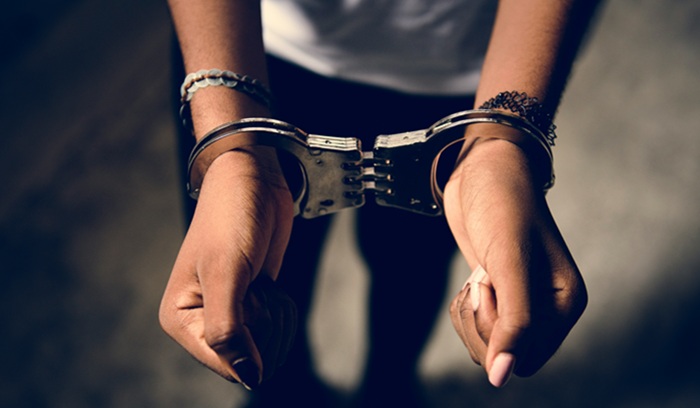
Illinois has taken a decisive step to protect the integrity of its justice system and the safety of its immigrant communities. Governor JB Pritzker signed into law a bill that bans civil immigration arrests in and around state courthouses. This legislation ensures that all residents can access the legal system without fear of deportation. It is a powerful affirmation of due process and equal protection under the law.
The new law, often referred to as the “Courts Are Not Traps” act, addresses a critical barrier to justice. Previously, the fear of arrest by Immigration and Customs Enforcement (ICE) agents deterred many from attending court hearings. This legislation restores the courthouse as a sanctuary for justice, not a site for enforcement.
Ensuring Safety for Survivors and Witnesses
The most profound positive impact of this law is the protection it offers to survivors of crime, particularly domestic violence. Fear of deportation has long been weaponized by abusers to silence victims and prevent them from seeking protection orders. By removing the threat of ICE arrests at courthouses, the state empowers survivors to come forward and seek safety.
This protection extends to witnesses who play a vital role in the criminal justice system. When witnesses are afraid to testify, cases collapse, and public safety is compromised. This law ensures that everyone, regardless of their immigration status, can participate safely in the legal process. It strengthens the ability of prosecutors to hold offenders accountable.
Aligning with Human Rights and Due Process
This legislative victory aligns Illinois with broader human rights goals. It reinforces the principle that access to justice is a fundamental right that should not be conditional on citizenship. The law prevents federal immigration enforcement from interfering with the state’s judicial functions.
By establishing these “safe zones,” Illinois is prioritizing the stability of its communities over federal deportation agendas. This approach fosters trust between local law enforcement and immigrant populations. When residents trust that interacting with the government will not lead to family separation, they are more likely to report crimes and cooperate with police. This cooperation makes the entire community safer.
A Model for State Sovereignty
The law represents a significant assertion of state sovereignty in managing its own public institutions. It clarifies that state resources and facilities should not be commandeered for federal civil immigration enforcement. This clear boundary protects the neutrality of the state court system.
Other states are looking to Illinois as a model for how to balance local needs with federal pressures. This legislative success demonstrates that states have the power to enact meaningful protections for their residents. It provides a blueprint for other jurisdictions seeking to safeguard their judicial processes. The American Civil Liberties Union (ACLU) of Illinois actively supported this measure.
Economic and Social Stability
Beyond the courtroom, this law contributes to broader economic and social stability. When individuals can resolve legal matters—such as traffic tickets or family law disputes—without fear, they can maintain their employment and family structures. This stability benefits the local economy and reduces the social costs associated with family separation.
The law includes provisions that allow individuals to sue for damages if their rights are violated under this new statute. This accountability mechanism ensures that the protections are not just theoretical but enforceable. It signals a new era of legal empowerment for immigrant communities in Illinois. The Illinois General Assembly provides the full text and history of the bill. For context on the impact of ICE presence in courts, the Brennan Center for Justice offers extensive research. Additionally, the National Immigrant Justice Center provides resources for those navigating the legal system.
Resources
- American Civil Liberties Union (ACLU) of Illinois on Immigrant Rights
- Illinois General Assembly on Bill Status and Text
- Brennan Center for Justice on Courthouse Arrests
- National Immigrant Justice Center on Legal Resources
More Good News
-

Senegal launches all-electric bus network powered by renewable energy
Senegal has successfully launched a transformative Bus Rapid Transit system in Dakar, featuring a fleet of 121 fully electric buses. As the first network in Sub-Saharan Africa to operate entirely on renewable energy, the initiative utilizes local solar power to transport up to 300,000 passengers daily. By utilizing dedicated lanes, the clean energy fleet cuts cross-city commute times in half while preventing nearly 60,000 tons of carbon dioxide emissions annually. This monumental project dramatically improves urban air quality and establishes Senegal as a pioneering leader in sustainable, green public infrastructure.
-

Yangtze River showing remarkable ecological recovery following fishing ban
China’s Yangtze River is experiencing a remarkable ecological revival five years into a sweeping ten-year commercial fishing ban. Recent surveys reveal significant increases in overall fish biomass and the heartening return of critically endangered species in the world’s fifth largest river. Furthermore, thousands of former commercial fishers have been successfully transitioned into new roles as official river guardians. This massive conservation effort offers a hopeful, replicable model for global freshwater restoration.
-

Rob Jetten becomes The Netherland’s first openly gay prime minister
In a historic victory for representation and progressive politics, Rob Jetten has been sworn in as the first openly gay Prime Minister of the Netherlands. At 38 years old, the centrist Democrats 66 leader is also the youngest head of government in Dutch history. Jetten successfully formed a minority coalition government following a tense election that defeated far-right populist opponents. His platform prioritizes climate investment, economic fairness, and strong international collaboration. Jetten’s premiership powerfully reaffirms the Netherlands’ global legacy as a pioneer of LGBTQ+ equality and inclusive, cooperative democratic leadership.
-

Millions of New York City workers gain additional time off through new law
Millions of workers in New York City are benefiting from a major expansion of the Protected Time Off Law, which officially took effect in late February 2026. The progressive legislation grants employees an additional 32 hours of unpaid, protected leave that is available immediately upon hire or at the start of the calendar year. This ensures workers do not have to wait to accrue hours before addressing sudden medical emergencies or family crises. The law also vastly expands permitted uses to include mental health care, public disaster recovery, and caring for disabled loved ones.
-

Malaysia bans electronic waste imports to protect the environment and public health
In a monumental victory for public health and environmental justice, Malaysia has enacted an immediate and absolute ban on the importation of electronic waste. By removing regulatory loopholes and launching a strict enforcement campaign, the nation is successfully preventing toxic heavy metals from polluting its soil and waterways. Authorities have already intercepted hundreds of thousands of kilograms of illegal e-waste at major ports, vowing to return the hazardous materials to their countries of origin. This decisive action establishes Malaysia as a leading force in Southeast Asia’s growing movement to reject global waste and prioritize ecological sustainability.