
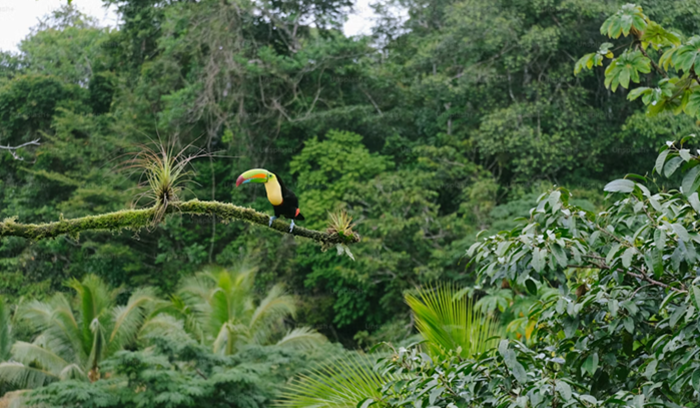
The Parliament of Ghana has taken a monumental step to protect the nation’s remaining biodiversity by repealing the Environmental Protection (Mining in Forest Reserves) Regulations, also known as L.I. 2462. This decisive legislative action formally bans the granting of mining rights within the country’s protected forest reserves. It marks a major victory for environmental activists who have campaigned tirelessly to reverse the 2022 law.
This repeal restores the legal sanctity of the forests, which had been compromised by the previous regulation. It signals a renewed national commitment to safeguarding ecological assets against industrial exploitation. The decision is being celebrated across West Africa as a turning point for environmental governance.
A Victory for Civil Society and Labor Unions
The revocation of L.I. 2462 is a direct result of sustained and unified pressure from Ghanaian civil society. A powerful coalition involving the Trade Union Congress, religious leaders, and environmental NGOs demanded the immediate protection of the forests. These groups successfully argued that short-term mining profits could not justify the permanent destruction of natural heritage.
Organized labor groups threatened nationwide strikes, demonstrating the immense public opposition to mining in protected areas. This mobilization proved that the public prioritizes environmental health over resource extraction. The government’s response validates the power of democratic advocacy in shaping national policy. You can read more about the coalition’s efforts from A Rocha Ghana.
Protecting Critical Water Sources
The repeal is a crucial measure for ensuring water security for millions of Ghanaians. The forest reserves targeted by mining companies serve as the watersheds for major rivers, including the Pra, Ankobra, and Birim. Mining activities in these areas posed a severe risk of contaminating these water sources with toxic chemicals like mercury and cyanide.
By restoring protections, the state has secured the clean water supply for both urban centers and rural farming communities. This action prevents the exorbitant costs associated with treating polluted water. It fundamentally protects the health and livelihoods of the population dependent on these river systems. The Water Resources Commission of Ghana provides data on the importance of these river basins.
Safeguarding Biodiversity Hotspots
Ghana’s forest reserves are among the most biologically diverse ecosystems in West Africa. They provide essential habitat for endangered species, including forest elephants, chimpanzees, and the bongo antelope. The repeal of the mining law ensures that these habitats remain contiguous and free from industrial fragmentation.
This decision helps Ghana meet its international obligations under the Convention on Biological Diversity. It preserves the genetic diversity that is vital for the resilience of the regional ecosystem. The protection of these forests also supports the global fight against climate change by maintaining their capacity as carbon sinks. The Forestry Commission of Ghana details the specific biodiversity values of these reserves.
A Shift Toward Sustainable Development
The elimination of mining in forest reserves opens the door for sustainable economic alternatives. The government and development partners are now focusing on eco-tourism and sustainable agroforestry as viable revenue streams. These industries can provide employment for local communities without degrading the land.
This shift represents a long-term vision for economic stability that respects ecological limits. It acknowledges that true prosperity requires a healthy environment. Ghana is now better positioned to attract green investment and support from global conservation funds. The World Bank offers analysis on the economic benefits of sustainable forest management in the region.
Resources
- A Rocha Ghana on Civil Society Advocacy
- Water Resources Commission of Ghana on River Basins
- Forestry Commission of Ghana on Forest Reserves
- World Bank on Sustainable Forest Management
More Good News
-

Senegal launches all-electric bus network powered by renewable energy
Senegal has successfully launched a transformative Bus Rapid Transit system in Dakar, featuring a fleet of 121 fully electric buses. As the first network in Sub-Saharan Africa to operate entirely on renewable energy, the initiative utilizes local solar power to transport up to 300,000 passengers daily. By utilizing dedicated lanes, the clean energy fleet cuts cross-city commute times in half while preventing nearly 60,000 tons of carbon dioxide emissions annually. This monumental project dramatically improves urban air quality and establishes Senegal as a pioneering leader in sustainable, green public infrastructure.
-
Yangtze River showing remarkable ecological recovery following fishing ban
China’s Yangtze River is experiencing a remarkable ecological revival five years into a sweeping ten-year commercial fishing ban. Recent surveys reveal significant increases in overall fish biomass and the heartening return of critically endangered species in the world’s fifth largest river. Furthermore, thousands of former commercial fishers have been successfully transitioned into new roles as official river guardians. This massive conservation effort offers a hopeful, replicable model for global freshwater restoration.
-

Rob Jetten becomes The Netherland’s first openly gay prime minister
In a historic victory for representation and progressive politics, Rob Jetten has been sworn in as the first openly gay Prime Minister of the Netherlands. At 38 years old, the centrist Democrats 66 leader is also the youngest head of government in Dutch history. Jetten successfully formed a minority coalition government following a tense election that defeated far-right populist opponents. His platform prioritizes climate investment, economic fairness, and strong international collaboration. Jetten’s premiership powerfully reaffirms the Netherlands’ global legacy as a pioneer of LGBTQ+ equality and inclusive, cooperative democratic leadership.
-
Millions of New York City workers gain additional time off through new law
Millions of workers in New York City are benefiting from a major expansion of the Protected Time Off Law, which officially took effect in late February 2026. The progressive legislation grants employees an additional 32 hours of unpaid, protected leave that is available immediately upon hire or at the start of the calendar year. This ensures workers do not have to wait to accrue hours before addressing sudden medical emergencies or family crises. The law also vastly expands permitted uses to include mental health care, public disaster recovery, and caring for disabled loved ones.
-

Malaysia bans electronic waste imports to protect the environment and public health
In a monumental victory for public health and environmental justice, Malaysia has enacted an immediate and absolute ban on the importation of electronic waste. By removing regulatory loopholes and launching a strict enforcement campaign, the nation is successfully preventing toxic heavy metals from polluting its soil and waterways. Authorities have already intercepted hundreds of thousands of kilograms of illegal e-waste at major ports, vowing to return the hazardous materials to their countries of origin. This decisive action establishes Malaysia as a leading force in Southeast Asia’s growing movement to reject global waste and prioritize ecological sustainability.