

Ghana has enacted groundbreaking legislation, known as the Fisheries and Aquaculture Act 2025 (Act 1146), designed to restore fish populations, safeguard small-scale fishing communities, and curb illegal, unregulated, and unreported (IUU) fishing practices. The law was signed on August 19, 2025, by President John Dramani Mahama, following parliamentary approval in July 2025 (Mongabay; Maritime Executive).
Expansion of the Inshore Exclusive Zone (IEZ)
A cornerstone of the new law is the expansion of Ghana’s Inshore Exclusive Zone (IEZ) from 6 to 12 nautical miles (approximately 11 to 22 kilometers) off the coast. This change establishes a protected area reserved exclusively for artisanal fisherfolk, shielding vital breeding grounds from intrusion by industrial trawlers. The zone expansion is expected to benefit around 120,000 small-scale fishers and is aimed at reversing the near-collapse of vital pelagic fish stocks such as sardinella, anchovies, and mackerel (Mongabay; Mongabay short report).
Stronger Enforcement and Monitoring Measures
In addition to the zone expansion, the legislation introduces mandatory electronic monitoring systems for industrial fishing vessels to ensure compliance and improve transparency. It also enforces tougher penalties against IUU fishing violations, reinforcing Ghana’s commitment to sustainable fishing practices. The Environmental Justice Foundation (EJF) praised the law as a “historic advance” that protects livelihoods, promotes food security, and lays the groundwork for marine ecosystems to recover (EJF Statement).
Enhancing Food Security and Fisheries Management
Fish makes up over 60 percent of the animal protein consumed in Ghana, so replenishing fish stocks is vital to national nutrition and public health. The government expects the new law to support food stability as well as economic resilience for coastal and rural communities. The Fisheries and Aquaculture Act also includes provisions for instituting an independent Fisheries Commission to better manage marine resources according to international standards and avoid further trade sanctions like the EU “yellow card” issued over IUU concerns (Mongabay; ICSF report).
Support from Fishing Communities and NGOs
Artisanal fishers and their associations have welcomed the law enthusiastically. The Canoe and Fishing Gear Association of Ghana (CaFGOAG) expressed gratitude, stating that fishing communities feel heard and empowered. They praised Minister Emelia Arthur and emphasized the need for strict enforcement and participatory monitoring to make the law effective (Ghana Business News). Fisheries Minister Emelia Arthur’s leadership was also highlighted as essential in steering the bill through parliament and into law.
Implications for Trade and Environmental Governance
Protecting artisanal fishing zones and strengthening fisheries governance also impacts Ghana’s seafood export markets. With exports worth over $425 million annually, ensuring sustainability and regulatory compliance is critical to maintaining market access, particularly with the European Union. The law’s robust regulatory framework seeks to mitigate future sanctions and enhance confidence in Ghana’s marine exports (Maritime Executive; B&FT Online).
Looking Forward
Ghana’s Fisheries and Aquaculture Act is a milestone in fisheries management, offering a comprehensive strategy to protect small-scale fishers, revitalize marine ecosystems, and ensure long-term food security. The success of this legislation now depends on strong, transparent enforcement, community engagement, and continued investment in fisheries science and coastal infrastructure.
By placing artisanal communities at the heart of policy, Ghana is setting a bold example for sustainability in West Africa and demonstrating how inclusive governance can drive ecological restoration and social resilience.
More Good News
-

Senegal launches all-electric bus network powered by renewable energy
Senegal has successfully launched a transformative Bus Rapid Transit system in Dakar, featuring a fleet of 121 fully electric buses. As the first network in Sub-Saharan Africa to operate entirely on renewable energy, the initiative utilizes local solar power to transport up to 300,000 passengers daily. By utilizing dedicated lanes, the clean energy fleet cuts cross-city commute times in half while preventing nearly 60,000 tons of carbon dioxide emissions annually. This monumental project dramatically improves urban air quality and establishes Senegal as a pioneering leader in sustainable, green public infrastructure.
-

Yangtze River showing remarkable ecological recovery following fishing ban
China’s Yangtze River is experiencing a remarkable ecological revival five years into a sweeping ten-year commercial fishing ban. Recent surveys reveal significant increases in overall fish biomass and the heartening return of critically endangered species in the world’s fifth largest river. Furthermore, thousands of former commercial fishers have been successfully transitioned into new roles as official river guardians. This massive conservation effort offers a hopeful, replicable model for global freshwater restoration.
-

Rob Jetten becomes The Netherland’s first openly gay prime minister
In a historic victory for representation and progressive politics, Rob Jetten has been sworn in as the first openly gay Prime Minister of the Netherlands. At 38 years old, the centrist Democrats 66 leader is also the youngest head of government in Dutch history. Jetten successfully formed a minority coalition government following a tense election that defeated far-right populist opponents. His platform prioritizes climate investment, economic fairness, and strong international collaboration. Jetten’s premiership powerfully reaffirms the Netherlands’ global legacy as a pioneer of LGBTQ+ equality and inclusive, cooperative democratic leadership.
-
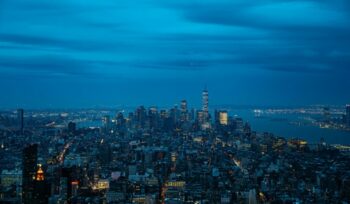
Millions of New York City workers gain additional time off through new law
Millions of workers in New York City are benefiting from a major expansion of the Protected Time Off Law, which officially took effect in late February 2026. The progressive legislation grants employees an additional 32 hours of unpaid, protected leave that is available immediately upon hire or at the start of the calendar year. This ensures workers do not have to wait to accrue hours before addressing sudden medical emergencies or family crises. The law also vastly expands permitted uses to include mental health care, public disaster recovery, and caring for disabled loved ones.
-

Malaysia bans electronic waste imports to protect the environment and public health
In a monumental victory for public health and environmental justice, Malaysia has enacted an immediate and absolute ban on the importation of electronic waste. By removing regulatory loopholes and launching a strict enforcement campaign, the nation is successfully preventing toxic heavy metals from polluting its soil and waterways. Authorities have already intercepted hundreds of thousands of kilograms of illegal e-waste at major ports, vowing to return the hazardous materials to their countries of origin. This decisive action establishes Malaysia as a leading force in Southeast Asia’s growing movement to reject global waste and prioritize ecological sustainability.