
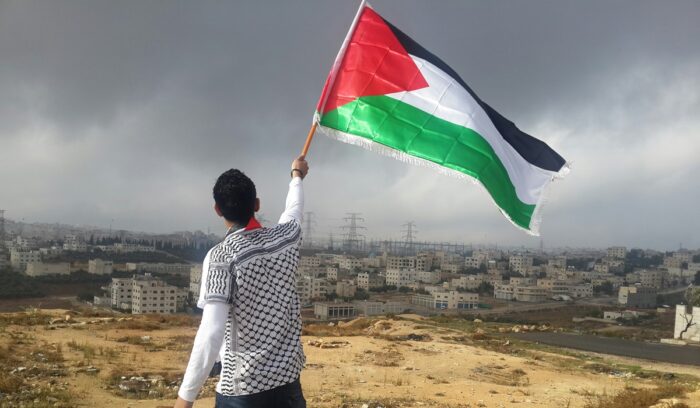
In a historic moment for international relations, a wave of countries has formally recognized Palestine as an independent state. At a high-level United Nations General Assembly meeting in September 2025, France, Belgium, Luxembourg, Malta, and Portugal took this significant diplomatic step. This coordinated action is a major victory for peace and self-determination. It is a powerful affirmation of the Palestinian people’s right to statehood and a clear signal of a changing geopolitical consensus. By taking this step, these nations are collectively endorsing a two-state solution as the only path to a lasting peace in the Middle East.
A Coordinated Diplomatic Push for Peace
The recognition by these nations is the result of a coordinated diplomatic effort. It is a sign of a growing international consensus that the time has come to formalize a path to peace. France’s President Emmanuel Macron, who led this initiative, described recognition as a way of affirming that the Palestinian people are “not a people too many.” This collective action is a powerful message to the international community that a path forward is both realistic and grounded in the principles of justice and self-determination.
The Broader Impact on International Law and Standing
The formal recognition of Palestine as a state has profound implications for international law. It strengthens Palestine’s position in global forums and enhances its ability to participate in international organizations. This diplomatic shift also provides a stronger legal foundation for Palestine to pursue justice and accountability on the world stage. By recognizing Palestine, these nations are affirming the legitimacy of its political institutions and its right to govern its own people. This step is a significant counterpoint to the legal and political challenges that have historically prevented the Palestinian people from exercising their full rights. It is a testament to the idea that international law can be a force for positive change. For a deeper look at the legal and political significance of international recognition of Palestine, a report from The Guardian offers a useful analysis.
A New Era for Peace and Security
This diplomatic shift is not just about symbolism; it is about building a foundation for a more secure and peaceful future for the region. The move is intended to inject new momentum into the peace process. It is a recognition that the status quo is no longer sustainable. This action is designed to encourage all parties to return to the negotiating table with a renewed sense of urgency. The hope is that this new approach will lead to a more balanced and equitable resolution. One that respects the rights and security of both the Palestinian and Israeli people. The recent diplomatic efforts, which were co-chaired by France and Saudi Arabia, have also focused on practical steps. These steps include a commitment to the reform of the Palestinian Authority and the disarming of Hamas.
A Global Movement for Self-Determination
The recognition of Palestine by France and other nations is part of a growing global movement. Other nations have also moved to recognize Palestine, signaling a broader shift in international opinion. This collective action highlights a growing global consensus that a just and lasting peace in the Middle East must include the full recognition of a sovereign and independent Palestinian state. It is a testament to the power of diplomacy and international law in a world that is often fraught with conflict. This move is a step toward a future where the Palestinian people can have control over their own destiny, free from occupation and violence.
- You can find more information about the history of international recognition of Palestine from this Wikipedia article.
- For further context on international peace efforts in the region, the United Nations has a number of resources available.
- For more on France’s foreign policy on this issue, you can consult a Wikipedia article that details the history of France–Palestine relations.
More Good News
-

Senegal launches all-electric bus network powered by renewable energy
Senegal has successfully launched a transformative Bus Rapid Transit system in Dakar, featuring a fleet of 121 fully electric buses. As the first network in Sub-Saharan Africa to operate entirely on renewable energy, the initiative utilizes local solar power to transport up to 300,000 passengers daily. By utilizing dedicated lanes, the clean energy fleet cuts cross-city commute times in half while preventing nearly 60,000 tons of carbon dioxide emissions annually. This monumental project dramatically improves urban air quality and establishes Senegal as a pioneering leader in sustainable, green public infrastructure.
-
Yangtze River showing remarkable ecological recovery following fishing ban
China’s Yangtze River is experiencing a remarkable ecological revival five years into a sweeping ten-year commercial fishing ban. Recent surveys reveal significant increases in overall fish biomass and the heartening return of critically endangered species in the world’s fifth largest river. Furthermore, thousands of former commercial fishers have been successfully transitioned into new roles as official river guardians. This massive conservation effort offers a hopeful, replicable model for global freshwater restoration.
-

Rob Jetten becomes The Netherland’s first openly gay prime minister
In a historic victory for representation and progressive politics, Rob Jetten has been sworn in as the first openly gay Prime Minister of the Netherlands. At 38 years old, the centrist Democrats 66 leader is also the youngest head of government in Dutch history. Jetten successfully formed a minority coalition government following a tense election that defeated far-right populist opponents. His platform prioritizes climate investment, economic fairness, and strong international collaboration. Jetten’s premiership powerfully reaffirms the Netherlands’ global legacy as a pioneer of LGBTQ+ equality and inclusive, cooperative democratic leadership.
-

Millions of New York City workers gain additional time off through new law
Millions of workers in New York City are benefiting from a major expansion of the Protected Time Off Law, which officially took effect in late February 2026. The progressive legislation grants employees an additional 32 hours of unpaid, protected leave that is available immediately upon hire or at the start of the calendar year. This ensures workers do not have to wait to accrue hours before addressing sudden medical emergencies or family crises. The law also vastly expands permitted uses to include mental health care, public disaster recovery, and caring for disabled loved ones.
-

Malaysia bans electronic waste imports to protect the environment and public health
In a monumental victory for public health and environmental justice, Malaysia has enacted an immediate and absolute ban on the importation of electronic waste. By removing regulatory loopholes and launching a strict enforcement campaign, the nation is successfully preventing toxic heavy metals from polluting its soil and waterways. Authorities have already intercepted hundreds of thousands of kilograms of illegal e-waste at major ports, vowing to return the hazardous materials to their countries of origin. This decisive action establishes Malaysia as a leading force in Southeast Asia’s growing movement to reject global waste and prioritize ecological sustainability.