
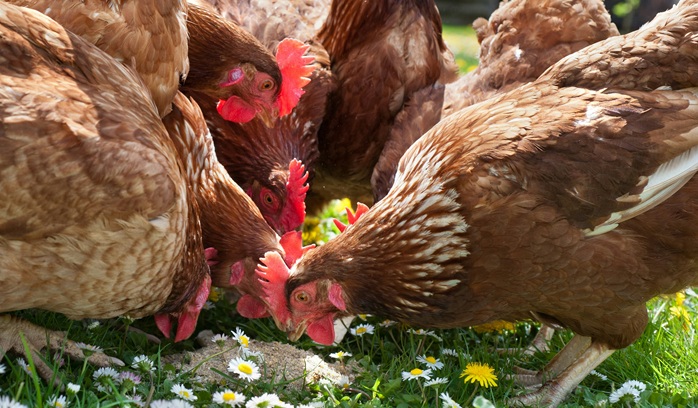
The British government has announced a landmark decision to ban the use of cages for laying hens and farrowing crates for pigs in England. This comprehensive reform marks a definitive end to some of the most controversial practices in modern agriculture within the country. The new legislation is a powerful affirmation of England’s commitment to high animal welfare standards. It aligns farming practices with public values, prioritizing the physical and psychological well-being of millions of animals.
This move places England at the forefront of the global movement for humane farming. It demonstrates that agricultural productivity can be maintained without compromising ethical standards.
Ending the Era of Confinement
The core positive impact of this ban is the liberation of millions of farm animals from restrictive confinement. Farrowing crates, which prevent mother pigs from turning around or interacting naturally with their piglets, will be phased out entirely. Similarly, the ban on enriched cages for laying hens ensures that all egg production in England will transition to barn or free-range systems.
This shift allows animals to express natural behaviors such as nesting, foraging, and socializing. It dramatically improves their quality of life, reducing stress and physical injury. The decision reflects a modern scientific understanding that animals are sentient beings deserving of a life worth living. You can read more about the welfare implications of these systems from Compassion in World Farming.
Supporting Farmers through Transition
The government has committed to a phased implementation period to support English farmers through this significant transition. This approach provides the agricultural sector with the time and certainty needed to invest in new, higher-welfare infrastructure. Financial support packages will be available to assist producers in upgrading their facilities.
This partnership between government and industry is crucial for ensuring the economic viability of farming in England. By investing in modernization, the sector can improve efficiency and sustainability. It ensures that farmers remain competitive while adhering to world-leading standards. The National Farmers’ Union (NFU) provides resources and guidance for farmers navigating these changes.
Meeting Public Demand for Ethics
The ban is a direct response to overwhelming public support for higher animal welfare. Consumers are increasingly demanding transparency and ethical sourcing in their food supply. This legislation ensures that the products on supermarket shelves align with these consumer values.
By mandating these changes, the government is creating a level playing field for all producers in England. It prevents the undercut of high-welfare products by lower-standard imports. This policy coherence strengthens trust in the food system and reinforces England’s brand as a producer of quality, ethical food. The RSPCA has long campaigned for these reforms and tracks public sentiment on animal welfare.
A Global Leader in Humane Agriculture
This legislative victory sets a powerful precedent for other nations. As a major agricultural producer enacting such a comprehensive ban, England is challenging the global status quo of industrial farming. It sends a signal to international trade partners that animal welfare is a non-negotiable component of sustainable agriculture.
The move is expected to influence ongoing debates within the rest of the U.K., the European Union, and other jurisdictions considering similar bans. It strengthens the global momentum toward a cage-free future. This legacy of compassion will benefit billions of animals in the decades to come. The Department for Environment, Food & Rural Affairs (Defra) outlines the official timeline and details of the welfare reforms.
Resources
- Compassion in World Farming on End the Cage Age
- National Farmers’ Union (NFU) on Farming Standards
- RSPCA on Farm Animal Welfare Campaigns
- Department for Environment, Food & Rural Affairs (Defra) on Animal Welfare Policy
More Good News
-

Senegal launches all-electric bus network powered by renewable energy
Senegal has successfully launched a transformative Bus Rapid Transit system in Dakar, featuring a fleet of 121 fully electric buses. As the first network in Sub-Saharan Africa to operate entirely on renewable energy, the initiative utilizes local solar power to transport up to 300,000 passengers daily. By utilizing dedicated lanes, the clean energy fleet cuts cross-city commute times in half while preventing nearly 60,000 tons of carbon dioxide emissions annually. This monumental project dramatically improves urban air quality and establishes Senegal as a pioneering leader in sustainable, green public infrastructure.
-

Yangtze River showing remarkable ecological recovery following fishing ban
China’s Yangtze River is experiencing a remarkable ecological revival five years into a sweeping ten-year commercial fishing ban. Recent surveys reveal significant increases in overall fish biomass and the heartening return of critically endangered species in the world’s fifth largest river. Furthermore, thousands of former commercial fishers have been successfully transitioned into new roles as official river guardians. This massive conservation effort offers a hopeful, replicable model for global freshwater restoration.
-

Rob Jetten becomes The Netherland’s first openly gay prime minister
In a historic victory for representation and progressive politics, Rob Jetten has been sworn in as the first openly gay Prime Minister of the Netherlands. At 38 years old, the centrist Democrats 66 leader is also the youngest head of government in Dutch history. Jetten successfully formed a minority coalition government following a tense election that defeated far-right populist opponents. His platform prioritizes climate investment, economic fairness, and strong international collaboration. Jetten’s premiership powerfully reaffirms the Netherlands’ global legacy as a pioneer of LGBTQ+ equality and inclusive, cooperative democratic leadership.
-

Millions of New York City workers gain additional time off through new law
Millions of workers in New York City are benefiting from a major expansion of the Protected Time Off Law, which officially took effect in late February 2026. The progressive legislation grants employees an additional 32 hours of unpaid, protected leave that is available immediately upon hire or at the start of the calendar year. This ensures workers do not have to wait to accrue hours before addressing sudden medical emergencies or family crises. The law also vastly expands permitted uses to include mental health care, public disaster recovery, and caring for disabled loved ones.
-

Malaysia bans electronic waste imports to protect the environment and public health
In a monumental victory for public health and environmental justice, Malaysia has enacted an immediate and absolute ban on the importation of electronic waste. By removing regulatory loopholes and launching a strict enforcement campaign, the nation is successfully preventing toxic heavy metals from polluting its soil and waterways. Authorities have already intercepted hundreds of thousands of kilograms of illegal e-waste at major ports, vowing to return the hazardous materials to their countries of origin. This decisive action establishes Malaysia as a leading force in Southeast Asia’s growing movement to reject global waste and prioritize ecological sustainability.