
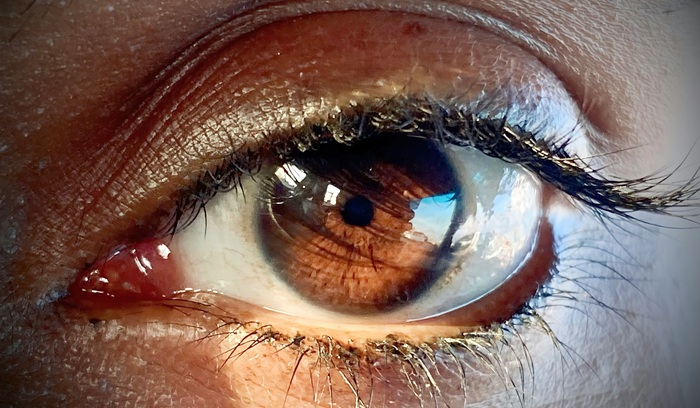
Egypt has achieved a monumental public health milestone by officially eliminating trachoma as a public health problem. The World Health Organization (WHO) verified this success, making Egypt the seventh country in the Eastern Mediterranean Region to reach this goal. This victory marks the end of a disease that has plagued the region for over 3,000 years, dating back to ancient times. It is a powerful testament to the effectiveness of sustained national leadership and international collaboration.
This achievement protects millions of people from the world’s leading infectious cause of blindness. It secures a future where preventable vision loss is no longer a threat to Egyptian families.
The Success of the SAFE Strategy
The elimination of trachoma was driven by the rigorous implementation of the WHO-endorsed SAFE strategy. This comprehensive approach focuses on Surgery for trichiasis, Antibiotics to clear infection, Facial cleanliness, and Environmental improvement. Egypt began piloting this strategy in 2002, scaling it up to cover all endemic districts.
Between 2015 and 2025, the Ministry of Health and Population conducted extensive mapping and surveillance across all 27 governorates. This data-driven approach ensured that interventions were targeted exactly where they were needed most. The result was a steady decline in infection rates, particularly among children, and a massive reduction in adults requiring surgery. You can read more about the WHO’s validation process and criteria.
A Triumph of Collaboration and Investment
This success was made possible through a robust coalition of partners. The Egyptian government worked closely with international organizations, including Sightsavers, the International Trachoma Initiative, and the Fred Hollows Foundation. Financial support from donors allowed for the mass distribution of antibiotics and the training of thousands of health workers.
This collaborative model ensured that resources were used efficiently to reach the most vulnerable populations in rural areas. The integration of trachoma surveillance into the national electronic disease reporting system in 2024 was a critical step for long-term sustainability. This system allows for rapid response to any potential new cases, securing the gains made. The International Trachoma Initiative details the global partnership model used to fight this disease.
Ending an Ancient Scourge
Trachoma has a deep history in Egypt, with evidence of the disease found in ancient medical texts like the Ebers Papyrus from 1500 BCE. Eliminating a disease with such deep historical roots is a profound achievement for modern medicine and public health. It transforms a legacy of suffering into one of hope and resilience.
For decades, trachoma was a leading cause of blindness in the Nile Delta and Upper Egypt. Its elimination removes a significant barrier to education and economic productivity for millions of citizens. This victory restores dignity and opportunity to communities that were disproportionately affected by the disease. The Sightsavers announcement provides historical context on this centuries-old battle.
A Model for Global Elimination
Egypt’s success brings the total number of countries validated for eliminating trachoma to 27 worldwide. This progress provides a powerful blueprint for the 30 countries where the disease remains endemic. It proves that even with a massive population and complex geography, elimination is achievable through persistent, evidence-based action.
This milestone contributes significantly to the global goal of eliminating neglected tropical diseases (NTDs) by 2030. It reinforces the momentum for global health equity. Egypt’s leadership offers valuable lessons in integrating disease control with broader development initiatives like the “Haya Karima” (Decent Life) program. The WHO Eastern Mediterranean Regional Office tracks the regional progress of these elimination efforts.
Resources
- World Health Organization (WHO) on Trachoma Elimination Validation
- Sightsavers on Egypt’s Historical Achievement
- International Trachoma Initiative on Global Partnerships
- WHO Eastern Mediterranean Regional Office on Regional Health Milestones
More Good News
-

Senegal launches all-electric bus network powered by renewable energy
Senegal has successfully launched a transformative Bus Rapid Transit system in Dakar, featuring a fleet of 121 fully electric buses. As the first network in Sub-Saharan Africa to operate entirely on renewable energy, the initiative utilizes local solar power to transport up to 300,000 passengers daily. By utilizing dedicated lanes, the clean energy fleet cuts cross-city commute times in half while preventing nearly 60,000 tons of carbon dioxide emissions annually. This monumental project dramatically improves urban air quality and establishes Senegal as a pioneering leader in sustainable, green public infrastructure.
-

Yangtze River showing remarkable ecological recovery following fishing ban
China’s Yangtze River is experiencing a remarkable ecological revival five years into a sweeping ten-year commercial fishing ban. Recent surveys reveal significant increases in overall fish biomass and the heartening return of critically endangered species in the world’s fifth largest river. Furthermore, thousands of former commercial fishers have been successfully transitioned into new roles as official river guardians. This massive conservation effort offers a hopeful, replicable model for global freshwater restoration.
-

Rob Jetten becomes The Netherland’s first openly gay prime minister
In a historic victory for representation and progressive politics, Rob Jetten has been sworn in as the first openly gay Prime Minister of the Netherlands. At 38 years old, the centrist Democrats 66 leader is also the youngest head of government in Dutch history. Jetten successfully formed a minority coalition government following a tense election that defeated far-right populist opponents. His platform prioritizes climate investment, economic fairness, and strong international collaboration. Jetten’s premiership powerfully reaffirms the Netherlands’ global legacy as a pioneer of LGBTQ+ equality and inclusive, cooperative democratic leadership.
-

Millions of New York City workers gain additional time off through new law
Millions of workers in New York City are benefiting from a major expansion of the Protected Time Off Law, which officially took effect in late February 2026. The progressive legislation grants employees an additional 32 hours of unpaid, protected leave that is available immediately upon hire or at the start of the calendar year. This ensures workers do not have to wait to accrue hours before addressing sudden medical emergencies or family crises. The law also vastly expands permitted uses to include mental health care, public disaster recovery, and caring for disabled loved ones.
-

Malaysia bans electronic waste imports to protect the environment and public health
In a monumental victory for public health and environmental justice, Malaysia has enacted an immediate and absolute ban on the importation of electronic waste. By removing regulatory loopholes and launching a strict enforcement campaign, the nation is successfully preventing toxic heavy metals from polluting its soil and waterways. Authorities have already intercepted hundreds of thousands of kilograms of illegal e-waste at major ports, vowing to return the hazardous materials to their countries of origin. This decisive action establishes Malaysia as a leading force in Southeast Asia’s growing movement to reject global waste and prioritize ecological sustainability.