
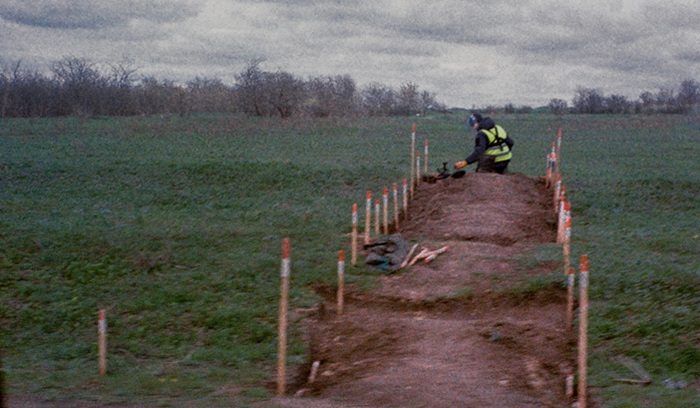
After more than three decades of painstaking work, Croatia has officially declared its entire territory free of landmines. Interior Minister Davor Božinović announced the historic milestone in late February 2026, marking the end of a challenging chapter stemming from the 1990s Homeland War. This achievement fulfills the nation’s commitments under the international Ottawa Convention and brings unparalleled peace of mind to its citizens.
A Monumental Cleanup Effort
The scale of the demining operation was massive, reflecting the severe contamination left behind after the conflict ended. Demining teams successfully located and safely removed approximately 107,000 landmines and over 407,000 pieces of unexploded ordnance from across the country. The total cost of the decades-long national clearance effort is estimated at around 1.2 billion euros.
Clearing these dangerous remnants of war required navigating some of the country’s most difficult and unforgiving terrain. Technicians and specially trained dogs had to scour steep hillsides, dense forests, and remote rural areas that were entirely inaccessible to heavy machinery. The tireless dedication of these clearance teams ensured that every suspected area was meticulously surveyed and certified safe for public use.
Reclaiming Land Through European Collaboration
The removal of these hidden hazards unlocks immense potential for the country’s economic and environmental future, safely returning vast tracts of land to local farmers to revitalize the agricultural sector. Furthermore, the clearance efforts have reclaimed major portions of protected ecological networks, allowing wildlife to thrive without human-made threats. You can read more about how land restoration impacts the European ecological network through the European Environment Agency.
Croatia did not achieve this monumental task alone, relying heavily on international cooperation and financial support. The European Union provided crucial funding through various cohesion programs, including the CROSS and CROSS II projects, which directed over one hundred million euros toward the final clearance phases. These strategic investments allowed the country to deploy state-of-the-art metal detectors and specialized machinery, while additional details regarding European cohesion policies can be found on the European Commission website.
A Global Blueprint for a Safer Future
Croatia’s ultimate success serves as an inspiring blueprint for other nations currently grappling with the deadly legacy of landmines. The highly structured, data-driven approach utilized by the Croatian Mine Action Centre demonstrates that even heavily contaminated regions can be entirely restored. The country’s comprehensive mapping systems offer incredibly valuable lessons for ongoing clearance operations across the globe, and further resources are available through the International Campaign to Ban Landmines.
Today, locals and international tourists alike can fully explore the breathtaking landscapes of the Balkans without the lingering fear of hidden explosives. The government views this completion not just as a technical success, but as a profound moral victory and a tribute to the resilience of its people. As global efforts to eradicate landmines continue, Croatia stands as a powerful testament to peacebuilding, and you can learn more about the treaty guiding these efforts at the Anti-Personnel Mine Ban Convention portal.
More Good News
-
Croatia declared free of landmines after 31 years
After more than three decades of meticulous and dangerous work, Croatia has officially been declared free of landmines. Stemming from the 1990s Homeland War, the clearance operations resulted in the safe removal of nearly 107,000 landmines and over 407,000 pieces of unexploded ordnance. Supported heavily by European Union funding, the 1.2 billion euro effort successfully reclaimed vast areas of agricultural land, dense forests, and national parks. This monumental achievement fulfills the country’s obligations under the Ottawa Convention, ensuring a much safer future for its citizens and providing an inspiring blueprint for post-conflict recovery worldwide.
-

India set to launch free nationwide HPV vaccination for adolescent girls
The Indian government is rolling out a monumental public health initiative to provide free human papillomavirus vaccines to adolescent girls across the country. Targeting girls between the ages of nine and fourteen, the campaign aims to drastically reduce the incidence of cervical cancer. This massive undertaking is made possible by the introduction of Cervavac, an affordable, domestically produced vaccine developed by the Serum Institute of India. By integrating the vaccine into existing national immunization programs and utilizing schools as distribution hubs, India is taking a proactive step toward eliminating cervical cancer and securing a healthier future.
-

Senegal launches all-electric bus network powered by renewable energy
Senegal has successfully launched a transformative Bus Rapid Transit system in Dakar, featuring a fleet of 121 fully electric buses. As the first network in Sub-Saharan Africa to operate entirely on renewable energy, the initiative utilizes local solar power to transport up to 300,000 passengers daily. By utilizing dedicated lanes, the clean energy fleet cuts cross-city commute times in half while preventing nearly 60,000 tons of carbon dioxide emissions annually. This monumental project dramatically improves urban air quality and establishes Senegal as a pioneering leader in sustainable, green public infrastructure.
-

Yangtze River showing remarkable ecological recovery following fishing ban
China’s Yangtze River is experiencing a remarkable ecological revival five years into a sweeping ten-year commercial fishing ban. Recent surveys reveal significant increases in overall fish biomass and the heartening return of critically endangered species in the world’s fifth largest river. Furthermore, thousands of former commercial fishers have been successfully transitioned into new roles as official river guardians. This massive conservation effort offers a hopeful, replicable model for global freshwater restoration.
-

Rob Jetten becomes The Netherland’s first openly gay prime minister
In a historic victory for representation and progressive politics, Rob Jetten has been sworn in as the first openly gay Prime Minister of the Netherlands. At 38 years old, the centrist Democrats 66 leader is also the youngest head of government in Dutch history. Jetten successfully formed a minority coalition government following a tense election that defeated far-right populist opponents. His platform prioritizes climate investment, economic fairness, and strong international collaboration. Jetten’s premiership powerfully reaffirms the Netherlands’ global legacy as a pioneer of LGBTQ+ equality and inclusive, cooperative democratic leadership.