
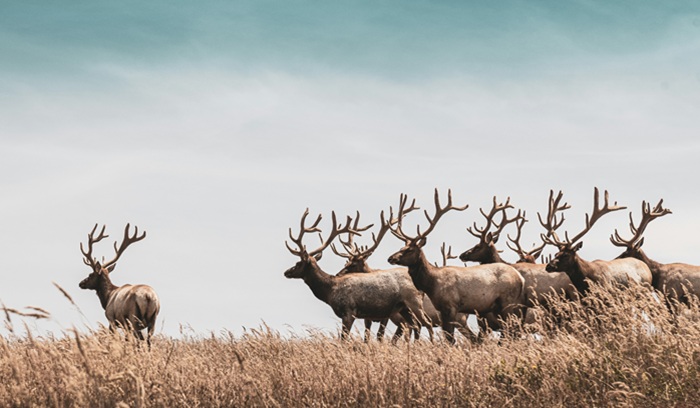
Colorado is constructing what will become the world’s largest wildlife overpass, a breakthrough project designed to reunite fragmented habitats and protect both wildlife and motorists along the busy I-25 corridor. Known as the Greenland Wildlife Overpass, this structure will span six lanes of Interstate 25 between Denver and Colorado Springs, offering elk, pronghorn, mule deer, and other large mammals a safe route across a dangerous stretch of highway (Smithsonian Magazine; Colorado DOT).
Wildlife Overpass Dimensions and Strategic Design
At approximately 200 feet wide and 209 feet long—covering nearly an acre—the overpass connects around 39,000 acres of conserved land in Douglas County with over one million acres of Pike National Forest. Its expansive, gently sloped design, complete with native vegetation, is intentionally crafted to attract large game animals that traditionally avoid enclosed crossings like tunnels (Environment America; Wikipedia: Wildlife crossing).
Why a Wildlife Crossing Is So Critical
This section of I-25 averages one wildlife-vehicle collision per day—highlighting an urgent need for a safer solution. The Greenland Wildlife Overpass, part of an 18-mile network of wildlife crossing infrastructure featuring underpasses and fencing, is projected to reduce such collisions by up to 90 percent. The design addresses the unique behavior of elk and pronghorn, which favor open, natural overpasses over confined passageways (Axios; CPR News).
Construction Milestones, Funding, and Timeline
The $15 million project reached its halfway mark in mid-2025, with piers, girders, and initial structural work completed. Final touches—such as the deck, landscaping, and fencing—are expected to be done by the end of the year, wrapping up in December 2025 and signaling a successful alignment of timing and budget (Colorado DOT news release; BridgeWeb).
Reducing Road Kill and Reconnecting Habitats
Over time, wildlife crossings like this have proven essential for preserving ecological connectivity. Highways disrupt migration routes and isolate populations, but overpasses knit together landscapes and allow free, safe movement. Colorado now boasts over 100 wildlife crossing structures—this new overpass marks its first major step toward large-scale bridging of fractured habitats (Douglas County project overview).
Building Momentum for Wildlife Overpass Solutions Elsewhere
Inspired by successful crossings in Canada and Europe, Colorado’s Greenland overpass stands as a bold demonstration of what’s possible. Following proven success in locations like Banff and Utah, this project offers a scalable blueprint for communities worldwide facing rising threats to wildlife mobility (Pew Article on wildlife crossings).
Investing in Safety, Ecology, and Shared Future
By prioritizing wildlife crossings, Colorado is building infrastructure that lifts both environmental and public safety. This project ensures reliable migration routes for wildlife while minimizing vehicle accidents—a win for nature and people. As development and traffic continue to encroach on natural landscapes, the Greenland Wildlife Overpass serves as a compelling blueprint for how society can weave ecological care into infrastructure design.
More Good News
-
Senegal launches all-electric bus network powered by renewable energy
Senegal has successfully launched a transformative Bus Rapid Transit system in Dakar, featuring a fleet of 121 fully electric buses. As the first network in Sub-Saharan Africa to operate entirely on renewable energy, the initiative utilizes local solar power to transport up to 300,000 passengers daily. By utilizing dedicated lanes, the clean energy fleet cuts cross-city commute times in half while preventing nearly 60,000 tons of carbon dioxide emissions annually. This monumental project dramatically improves urban air quality and establishes Senegal as a pioneering leader in sustainable, green public infrastructure.
-
Yangtze River showing remarkable ecological recovery following fishing ban
China’s Yangtze River is experiencing a remarkable ecological revival five years into a sweeping ten-year commercial fishing ban. Recent surveys reveal significant increases in overall fish biomass and the heartening return of critically endangered species in the world’s fifth largest river. Furthermore, thousands of former commercial fishers have been successfully transitioned into new roles as official river guardians. This massive conservation effort offers a hopeful, replicable model for global freshwater restoration.
-

Rob Jetten becomes The Netherland’s first openly gay prime minister
In a historic victory for representation and progressive politics, Rob Jetten has been sworn in as the first openly gay Prime Minister of the Netherlands. At 38 years old, the centrist Democrats 66 leader is also the youngest head of government in Dutch history. Jetten successfully formed a minority coalition government following a tense election that defeated far-right populist opponents. His platform prioritizes climate investment, economic fairness, and strong international collaboration. Jetten’s premiership powerfully reaffirms the Netherlands’ global legacy as a pioneer of LGBTQ+ equality and inclusive, cooperative democratic leadership.
-
Millions of New York City workers gain additional time off through new law
Millions of workers in New York City are benefiting from a major expansion of the Protected Time Off Law, which officially took effect in late February 2026. The progressive legislation grants employees an additional 32 hours of unpaid, protected leave that is available immediately upon hire or at the start of the calendar year. This ensures workers do not have to wait to accrue hours before addressing sudden medical emergencies or family crises. The law also vastly expands permitted uses to include mental health care, public disaster recovery, and caring for disabled loved ones.
-
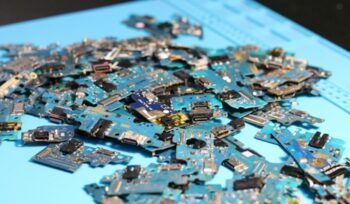
Malaysia bans electronic waste imports to protect the environment and public health
In a monumental victory for public health and environmental justice, Malaysia has enacted an immediate and absolute ban on the importation of electronic waste. By removing regulatory loopholes and launching a strict enforcement campaign, the nation is successfully preventing toxic heavy metals from polluting its soil and waterways. Authorities have already intercepted hundreds of thousands of kilograms of illegal e-waste at major ports, vowing to return the hazardous materials to their countries of origin. This decisive action establishes Malaysia as a leading force in Southeast Asia’s growing movement to reject global waste and prioritize ecological sustainability.