
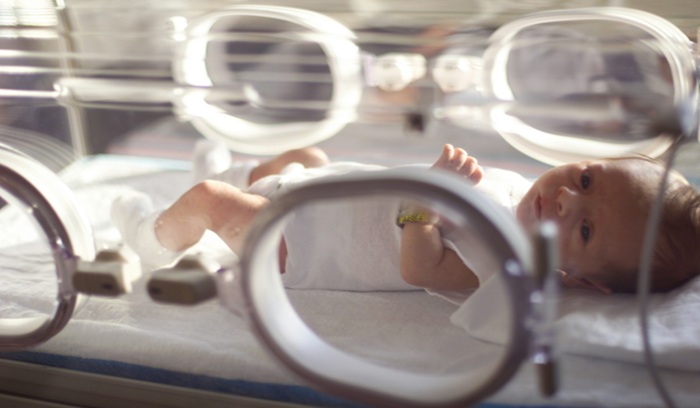
Colorado has achieved a historic milestone in family support policy, becoming the first state in the nation to offer paid leave specifically for neonatal care. This groundbreaking addition to the state’s Family and Medical Leave Insurance (FAMLI) program ensures that parents can remain by their infant’s side during critical medical treatments. It addresses a major gap in traditional leave policies, which often force parents to return to work while their newborn is still hospitalized. This compassionate policy change provides essential financial security during one of the most stressful times a family can face.
The new benefit allows eligible workers to take up to 12 weeks of paid leave for neonatal care. This is in addition to the standard 12 weeks of paid family leave available for bonding with a new child. This means parents could potentially access up to 24 weeks of paid support if their child requires extended hospitalization after birth.
Supporting Families in Crisis
The core positive impact of this policy is the relief it brings to families with medically fragile infants. Neonatal intensive care unit (NICU) stays can last for weeks or even months, creating immense emotional and financial strain. By guaranteeing paid leave, Colorado ensures that parents do not have to choose between their paycheck and being present for their child’s care.
This presence is vital for the health of both the baby and the parents. Studies consistently show that parental involvement in NICU care leads to better health outcomes for infants, including improved weight gain and shorter hospital stays. It also significantly reduces parental stress and anxiety, fostering better long-term family well-being. The March of Dimes highlights the critical importance of family-centered care in the NICU.
A Model for National Policy
Colorado’s leadership sets a powerful precedent for other states and the federal government. It demonstrates that paid leave programs can be flexible and responsive to specific medical needs. This innovation challenges the “one-size-fits-all” approach to family leave, recognizing that some births require significantly more support than others.
The successful implementation of this policy provides a working model for how to structure and fund extended leave benefits. It proves that states can take the lead in modernizing the social safety net. This move is expected to inspire similar legislation across the country as advocates push for more comprehensive family support systems. The National Partnership for Women & Families tracks state-level progress on paid leave policies.
Strengthening the FAMLI Program
This new benefit strengthens the overall FAMLI program, which was approved by Colorado voters in 2020. The program is funded through a small payroll deduction, shared between employers and employees. This sustainable funding model ensures that the benefits are available to all eligible workers without placing an undue burden on the state budget.
The addition of neonatal care leave reflects a commitment to continuous improvement of the program. It shows that the state is listening to the needs of its residents and adapting its policies accordingly. This responsiveness builds public trust and ensures the program remains relevant and effective. You can find details on the program’s structure and eligibility at the Colorado Department of Labor and Employment (CDLE).
A Legacy of Compassion
This policy establishes a lasting legacy of compassion for Colorado. It signals that the state values the health and stability of its families above all else. By protecting parents during their most vulnerable moments, the state is investing in the long-term resilience of its communities.
The economic security provided by this leave allows families to recover and thrive after a medical crisis. It reduces the risk of debt and bankruptcy often associated with prolonged hospitalizations. This commitment to family welfare is a beacon of hope for working parents everywhere. The Center for Law and Social Policy (CLASP) offers extensive research on the economic benefits of paid family leave.
Resources
- March of Dimes on NICU Family Support
- National Partnership for Women & Families on Paid Leave Trends
- Colorado Department of Labor and Employment (CDLE) on FAMLI Program Details
- Center for Law and Social Policy (CLASP) on Economic Benefits of Leave
More Good News
-

Senegal launches all-electric bus network powered by renewable energy
Senegal has successfully launched a transformative Bus Rapid Transit system in Dakar, featuring a fleet of 121 fully electric buses. As the first network in Sub-Saharan Africa to operate entirely on renewable energy, the initiative utilizes local solar power to transport up to 300,000 passengers daily. By utilizing dedicated lanes, the clean energy fleet cuts cross-city commute times in half while preventing nearly 60,000 tons of carbon dioxide emissions annually. This monumental project dramatically improves urban air quality and establishes Senegal as a pioneering leader in sustainable, green public infrastructure.
-

Yangtze River showing remarkable ecological recovery following fishing ban
China’s Yangtze River is experiencing a remarkable ecological revival five years into a sweeping ten-year commercial fishing ban. Recent surveys reveal significant increases in overall fish biomass and the heartening return of critically endangered species in the world’s fifth largest river. Furthermore, thousands of former commercial fishers have been successfully transitioned into new roles as official river guardians. This massive conservation effort offers a hopeful, replicable model for global freshwater restoration.
-

Rob Jetten becomes The Netherland’s first openly gay prime minister
In a historic victory for representation and progressive politics, Rob Jetten has been sworn in as the first openly gay Prime Minister of the Netherlands. At 38 years old, the centrist Democrats 66 leader is also the youngest head of government in Dutch history. Jetten successfully formed a minority coalition government following a tense election that defeated far-right populist opponents. His platform prioritizes climate investment, economic fairness, and strong international collaboration. Jetten’s premiership powerfully reaffirms the Netherlands’ global legacy as a pioneer of LGBTQ+ equality and inclusive, cooperative democratic leadership.
-

Millions of New York City workers gain additional time off through new law
Millions of workers in New York City are benefiting from a major expansion of the Protected Time Off Law, which officially took effect in late February 2026. The progressive legislation grants employees an additional 32 hours of unpaid, protected leave that is available immediately upon hire or at the start of the calendar year. This ensures workers do not have to wait to accrue hours before addressing sudden medical emergencies or family crises. The law also vastly expands permitted uses to include mental health care, public disaster recovery, and caring for disabled loved ones.
-

Malaysia bans electronic waste imports to protect the environment and public health
In a monumental victory for public health and environmental justice, Malaysia has enacted an immediate and absolute ban on the importation of electronic waste. By removing regulatory loopholes and launching a strict enforcement campaign, the nation is successfully preventing toxic heavy metals from polluting its soil and waterways. Authorities have already intercepted hundreds of thousands of kilograms of illegal e-waste at major ports, vowing to return the hazardous materials to their countries of origin. This decisive action establishes Malaysia as a leading force in Southeast Asia’s growing movement to reject global waste and prioritize ecological sustainability.