
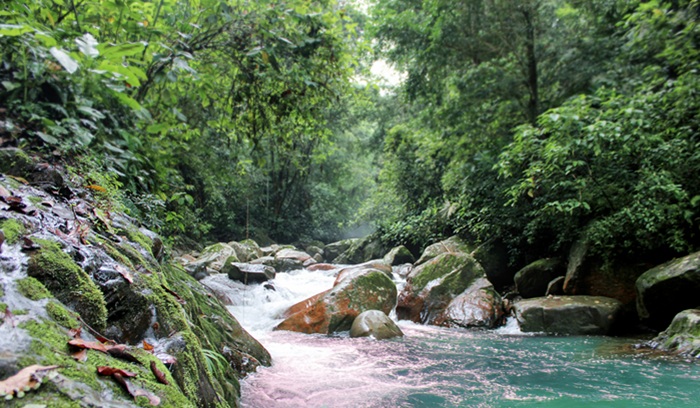
Colombia has taken a historic step for environmental protection by banning all new oil and mining projects in its Amazon region. This bold policy immediately halts hundreds of pending extractive requests. It signals a clear national priority: ecosystem protection over resource extraction. The decision covers the entire Colombian Amazon biome, which makes up 42% of the nation’s territory.
This move is a direct commitment to conservation made during the UN climate summit, COP30. It prevents 43 oil blocks and 286 mining requests from moving forward. This decisive action safeguards vital rainforest ecosystems from future degradation.
Securing Climate Stability and Biodiversity
The ban is designed to prevent forest degradation and river contamination across a massive area. By stopping new drilling and clearing, Colombia is protecting the forest’s ability to regulate the global climate. The Amazon is one of the planet’s most critical carbon sinks. Preserving it is essential for stabilizing global temperatures.
Furthermore, this policy protects biodiversity hotspots and water systems from the pollution caused by extractive industries. Avoiding new mining projects prevents the release of toxic chemicals into the soil and waterways. This is a major win for the health of the ecosystem and the communities that depend on it. You can find detailed information on the environmental impact of these industries from the World Wildlife Fund (WWF).
Prioritizing Indigenous Rights and Sovereignty
A key positive outcome of this ban is the protection of Indigenous territories. The Colombian Amazon is home to numerous Indigenous communities whose way of life is threatened by industrial encroachment. By halting new extraction, the government is upholding the rights of these communities to their ancestral lands. This policy reduces the risk of displacement and conflict.
It allows Indigenous peoples to continue their traditional role as guardians of the forest. Their stewardship is widely recognized as one of the most effective ways to conserve biodiversity. This alignment of national policy with Indigenous rights is a powerful model for environmental justice. The Amazon Conservation Team details the importance of land rights in conservation.
Economic Transition to Sustainability
The ban also opens the door for a transition to a sustainable economy. Instead of relying on finite resources, Colombia is promoting alternatives like ecotourism and the bioeconomy. This shift encourages the responsible use of renewable resources. It aims to create long-term economic opportunities that do not destroy the environment.
Projects are already underway to develop nature tourism and sustainable forest products. These initiatives provide viable income for local populations while keeping the forest standing. This economic model balances development with preservation. The World Economic Forum highlights successful examples of this bioeconomy in action.
A Call for Regional Leadership
Colombia’s decision is an act of environmental sovereignty that sets a high standard for the region. Environment Minister Irene Vélez Torres has called on other Amazonian nations to adopt similar protections. This leadership creates positive pressure for a coordinated, cross-border conservation strategy. It challenges the narrative that economic growth requires the destruction of natural capital.
This bold stance positions Colombia as a global leader in climate action. It demonstrates that governments can make difficult choices to secure a livable future. The success of this policy could inspire a new era of protection for the entire Amazon biome. For broader context on regional deforestation trends, the Joint Research Centre of the EU provides comprehensive data.
Resources
- World Wildlife Fund (WWF) on Oil and Gas Impacts
- Amazon Conservation Team on Indigenous Land Rights
- World Economic Forum on Colombia’s Bioeconomy
- Joint Research Centre (EU) on Amazon Deforestation Trends
More Good News
-

Senegal launches all-electric bus network powered by renewable energy
Senegal has successfully launched a transformative Bus Rapid Transit system in Dakar, featuring a fleet of 121 fully electric buses. As the first network in Sub-Saharan Africa to operate entirely on renewable energy, the initiative utilizes local solar power to transport up to 300,000 passengers daily. By utilizing dedicated lanes, the clean energy fleet cuts cross-city commute times in half while preventing nearly 60,000 tons of carbon dioxide emissions annually. This monumental project dramatically improves urban air quality and establishes Senegal as a pioneering leader in sustainable, green public infrastructure.
-

Yangtze River showing remarkable ecological recovery following fishing ban
China’s Yangtze River is experiencing a remarkable ecological revival five years into a sweeping ten-year commercial fishing ban. Recent surveys reveal significant increases in overall fish biomass and the heartening return of critically endangered species in the world’s fifth largest river. Furthermore, thousands of former commercial fishers have been successfully transitioned into new roles as official river guardians. This massive conservation effort offers a hopeful, replicable model for global freshwater restoration.
-

Rob Jetten becomes The Netherland’s first openly gay prime minister
In a historic victory for representation and progressive politics, Rob Jetten has been sworn in as the first openly gay Prime Minister of the Netherlands. At 38 years old, the centrist Democrats 66 leader is also the youngest head of government in Dutch history. Jetten successfully formed a minority coalition government following a tense election that defeated far-right populist opponents. His platform prioritizes climate investment, economic fairness, and strong international collaboration. Jetten’s premiership powerfully reaffirms the Netherlands’ global legacy as a pioneer of LGBTQ+ equality and inclusive, cooperative democratic leadership.
-

Millions of New York City workers gain additional time off through new law
Millions of workers in New York City are benefiting from a major expansion of the Protected Time Off Law, which officially took effect in late February 2026. The progressive legislation grants employees an additional 32 hours of unpaid, protected leave that is available immediately upon hire or at the start of the calendar year. This ensures workers do not have to wait to accrue hours before addressing sudden medical emergencies or family crises. The law also vastly expands permitted uses to include mental health care, public disaster recovery, and caring for disabled loved ones.
-

Malaysia bans electronic waste imports to protect the environment and public health
In a monumental victory for public health and environmental justice, Malaysia has enacted an immediate and absolute ban on the importation of electronic waste. By removing regulatory loopholes and launching a strict enforcement campaign, the nation is successfully preventing toxic heavy metals from polluting its soil and waterways. Authorities have already intercepted hundreds of thousands of kilograms of illegal e-waste at major ports, vowing to return the hazardous materials to their countries of origin. This decisive action establishes Malaysia as a leading force in Southeast Asia’s growing movement to reject global waste and prioritize ecological sustainability.