
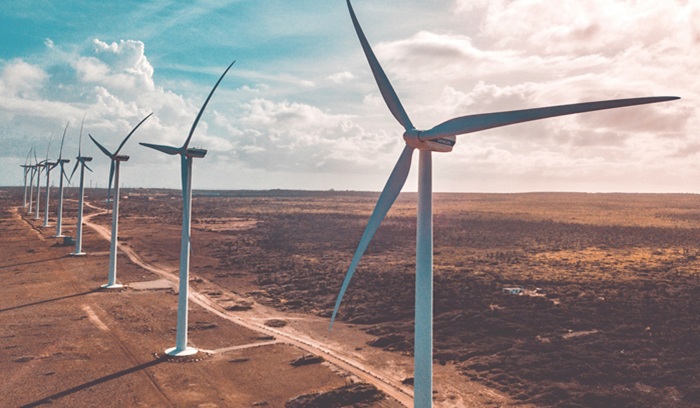
India is changing its energy system in a big way. The country is producing a lot more clean electricity now. This positive change means India is using fewer fossil fuels for power. It’s becoming a leader in the global energy shift.
This is a key step for a nation that needs more and more electricity. It shows that the economy can grow while also being green. More clean energy is helping to reduce the use of fossil fuels.
Record Clean Energy Output
In the first half of 2025, India’s power plants made a record 236 TWh of clean electricity. This is a 20% increase from the year before. Because of this, the country was able to cut fossil fuel use by 4%.
The main reason for this growth was a big jump in wind and solar power. Nuclear and hydro plants also helped a lot. This big increase in clean energy is pushing its share of India’s power mix to new record highs. It is expected to pass 30% soon.
A New Energy Foundation
India’s success comes from its long-term plans and smart investments. The government has increased its renewable energy goals five times since 2014. It plans to have 500 GW of non-fossil fuel capacity by 2030. The country is already ahead of schedule. As of June 2025, non-fossil fuel sources make up almost 50% of all power capacity.
Companies are also investing heavily. They are building large clean energy hubs. These hubs will make solar panels, batteries, and green hydrogen. This will allow for clean energy to be used all day and night. It will also make India less dependent on foreign fossil fuels. You can read more about India’s energy landscape from the Press Information Bureau.
Cheaper and More Accessible Power
Clean energy is a good economic choice for India. New bidding rules have made solar power very cheap. Renewable power is now available at prices that are unmatched globally. This makes it easier for more people to switch to clean energy. You can learn more about these efforts from the Council on Energy, Environment and Water (CEEW).
The government’s “One Nation, One Grid” plan is also a big help. It is building the power lines needed for more clean energy. There are still some issues with grid capacity and land. But new policies are working to fix these problems. You can find more information about these challenges and solutions from the Institute for Energy Economics and Financial Analysis (IEEFA). India’s focus on making its own products also helps its economy. You can explore investment opportunities in the renewable energy sector on the Invest India website.
A Sustainable Future
India’s progress is a good example for other nations. It shows that a country can meet its rising energy needs while also cutting pollution. The country’s strong commitment to clean energy is building a more resilient and sustainable future.
As clean energy continues to expand, India will use even less fossil fuel. This move is not just good for the environment. It is a path to a stronger economy and more energy independence. This big effort is a positive sign for the global fight against climate change.
More Good News
-

Senegal launches all-electric bus network powered by renewable energy
Senegal has successfully launched a transformative Bus Rapid Transit system in Dakar, featuring a fleet of 121 fully electric buses. As the first network in Sub-Saharan Africa to operate entirely on renewable energy, the initiative utilizes local solar power to transport up to 300,000 passengers daily. By utilizing dedicated lanes, the clean energy fleet cuts cross-city commute times in half while preventing nearly 60,000 tons of carbon dioxide emissions annually. This monumental project dramatically improves urban air quality and establishes Senegal as a pioneering leader in sustainable, green public infrastructure.
-

Yangtze River showing remarkable ecological recovery following fishing ban
China’s Yangtze River is experiencing a remarkable ecological revival five years into a sweeping ten-year commercial fishing ban. Recent surveys reveal significant increases in overall fish biomass and the heartening return of critically endangered species in the world’s fifth largest river. Furthermore, thousands of former commercial fishers have been successfully transitioned into new roles as official river guardians. This massive conservation effort offers a hopeful, replicable model for global freshwater restoration.
-

Rob Jetten becomes The Netherland’s first openly gay prime minister
In a historic victory for representation and progressive politics, Rob Jetten has been sworn in as the first openly gay Prime Minister of the Netherlands. At 38 years old, the centrist Democrats 66 leader is also the youngest head of government in Dutch history. Jetten successfully formed a minority coalition government following a tense election that defeated far-right populist opponents. His platform prioritizes climate investment, economic fairness, and strong international collaboration. Jetten’s premiership powerfully reaffirms the Netherlands’ global legacy as a pioneer of LGBTQ+ equality and inclusive, cooperative democratic leadership.
-

Millions of New York City workers gain additional time off through new law
Millions of workers in New York City are benefiting from a major expansion of the Protected Time Off Law, which officially took effect in late February 2026. The progressive legislation grants employees an additional 32 hours of unpaid, protected leave that is available immediately upon hire or at the start of the calendar year. This ensures workers do not have to wait to accrue hours before addressing sudden medical emergencies or family crises. The law also vastly expands permitted uses to include mental health care, public disaster recovery, and caring for disabled loved ones.
-

Malaysia bans electronic waste imports to protect the environment and public health
In a monumental victory for public health and environmental justice, Malaysia has enacted an immediate and absolute ban on the importation of electronic waste. By removing regulatory loopholes and launching a strict enforcement campaign, the nation is successfully preventing toxic heavy metals from polluting its soil and waterways. Authorities have already intercepted hundreds of thousands of kilograms of illegal e-waste at major ports, vowing to return the hazardous materials to their countries of origin. This decisive action establishes Malaysia as a leading force in Southeast Asia’s growing movement to reject global waste and prioritize ecological sustainability.