
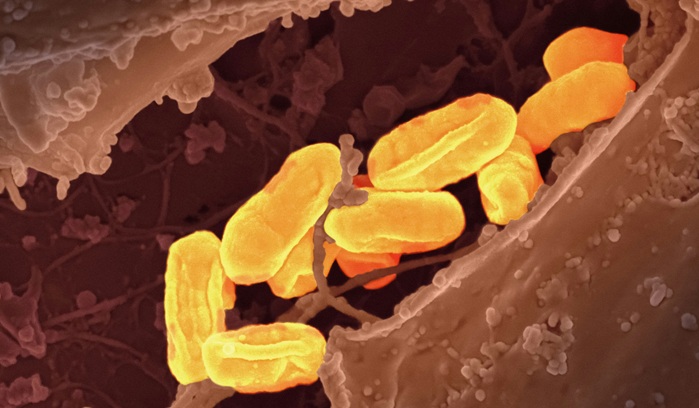
Despite the devastating impact of the prolonged conflict in Sudan, a major public health victory is unfolding in the Darfur region. A massive cholera vaccination campaign has been launched, aiming to protect over 1.86 million people aged one year and older. This urgent intervention, coordinated by Sudan’s Ministry of Health, the World Health Organization, and UNICEF, is a testament to the resilience of humanitarian efforts. It delivers a critical safeguard against a deadly disease that thrives in the chaos of war and broken infrastructure. The campaign is a crucial step toward containing the country’s longest-recorded cholera outbreak.
Mobilizing Against the Odds
The logistics of delivering vaccines in Darfur are immense, challenged by ongoing heavy fighting, inaccessible roads, and the collapse of basic services. Aid teams overcame numerous obstacles to mobilize 1.86 million doses of oral cholera vaccine (OCV) through complex cross-border and crossline operations. This mobilization highlights the unwavering commitment of global health partners to reach highly vulnerable populations. The campaign launched in key localities of South Darfur and is rapidly expanding to North Darfur. This effort ensures that even amidst a humanitarian crisis, life-saving medical interventions can reach those most in need.
The Power of Proactive Public Health
The timely launch of this vaccination campaign is a demonstration of proactive public health strategy in a crisis. Cholera is an acute intestinal infection that spreads rapidly through contaminated water and can kill within hours if left untreated. The disease has spread to all 18 states of Sudan, with over 113,000 cases reported since the outbreak began in July 2024. The campaign targets 97% of the population in the worst-affected localities of the Darfurs. By delivering the oral cholera vaccine, health teams are working to interrupt transmission and drastically reduce the mortality rate, which has been alarmingly high in some areas. This intervention is designed to protect large populations while addressing the immediate public health emergency.
Building Capacity and Community Resilience
The success of the vaccination effort relies heavily on local capacity and community engagement. WHO and UNICEF supported the campaign by training trainers and cascading training sessions down to the level of volunteer vaccinators. This approach strengthens local health systems, ensuring that knowledge and skills remain within the community for future preparedness. Community awareness drives are also an integral part of the response, educating families on essential hygiene practices, sanitation, and the importance of clean water access. This multi-sectoral strategy—combining vaccines with improved Water, Sanitation, and Hygiene (WASH) interventions—is the most effective way to sustain long-term resilience against cholera.
Global Solidarity in Action
This campaign is a potent symbol of global solidarity. The vaccines were provided by the International Coordinating Group on Vaccine Provision (ICG), with financial support from Gavi, the Vaccine Alliance. This sustained collaboration among international organizations, NGOs like Médecins Sans Frontières (MSF), and the national government is essential for managing the health crisis in Sudan. Furthermore, global health partners are requesting significant funding to meet the immense health needs of affected people both inside Sudan and in neighboring countries. This continued international support is crucial for bolstering the devastated health system and ensuring that the most vulnerable, particularly children, are protected from deadly diseases.
Protecting the Future Generation
The intervention holds particular significance for children under five, who have been disproportionately affected by the cholera outbreak. Protecting this generation from preventable diseases is a critical step toward post-conflict recovery. As more than 70% of hospitals in conflict-affected areas are non-operational, preventative measures like vaccination are literal lifelines. This campaign is one piece of a larger, ongoing effort to stabilize health services across Sudan. It is a powerful reminder that even in the darkest circumstances, coordinated humanitarian action can deliver hope and concrete protection to those facing unimaginable hardship.
- You can find detailed reports on the coordinated response from the WHO Eastern Mediterranean Regional Office.
- For information on the vital role of UNICEF in delivering vaccines and WASH supplies, refer to the resources from the United Nations.
- You can read more about the broader humanitarian response and the challenges faced by organizations like Doctors Without Borders (MSF).
More Good News
-

Senegal launches all-electric bus network powered by renewable energy
Senegal has successfully launched a transformative Bus Rapid Transit system in Dakar, featuring a fleet of 121 fully electric buses. As the first network in Sub-Saharan Africa to operate entirely on renewable energy, the initiative utilizes local solar power to transport up to 300,000 passengers daily. By utilizing dedicated lanes, the clean energy fleet cuts cross-city commute times in half while preventing nearly 60,000 tons of carbon dioxide emissions annually. This monumental project dramatically improves urban air quality and establishes Senegal as a pioneering leader in sustainable, green public infrastructure.
-

Yangtze River showing remarkable ecological recovery following fishing ban
China’s Yangtze River is experiencing a remarkable ecological revival five years into a sweeping ten-year commercial fishing ban. Recent surveys reveal significant increases in overall fish biomass and the heartening return of critically endangered species in the world’s fifth largest river. Furthermore, thousands of former commercial fishers have been successfully transitioned into new roles as official river guardians. This massive conservation effort offers a hopeful, replicable model for global freshwater restoration.
-

Rob Jetten becomes The Netherland’s first openly gay prime minister
In a historic victory for representation and progressive politics, Rob Jetten has been sworn in as the first openly gay Prime Minister of the Netherlands. At 38 years old, the centrist Democrats 66 leader is also the youngest head of government in Dutch history. Jetten successfully formed a minority coalition government following a tense election that defeated far-right populist opponents. His platform prioritizes climate investment, economic fairness, and strong international collaboration. Jetten’s premiership powerfully reaffirms the Netherlands’ global legacy as a pioneer of LGBTQ+ equality and inclusive, cooperative democratic leadership.
-

Millions of New York City workers gain additional time off through new law
Millions of workers in New York City are benefiting from a major expansion of the Protected Time Off Law, which officially took effect in late February 2026. The progressive legislation grants employees an additional 32 hours of unpaid, protected leave that is available immediately upon hire or at the start of the calendar year. This ensures workers do not have to wait to accrue hours before addressing sudden medical emergencies or family crises. The law also vastly expands permitted uses to include mental health care, public disaster recovery, and caring for disabled loved ones.
-

Malaysia bans electronic waste imports to protect the environment and public health
In a monumental victory for public health and environmental justice, Malaysia has enacted an immediate and absolute ban on the importation of electronic waste. By removing regulatory loopholes and launching a strict enforcement campaign, the nation is successfully preventing toxic heavy metals from polluting its soil and waterways. Authorities have already intercepted hundreds of thousands of kilograms of illegal e-waste at major ports, vowing to return the hazardous materials to their countries of origin. This decisive action establishes Malaysia as a leading force in Southeast Asia’s growing movement to reject global waste and prioritize ecological sustainability.