
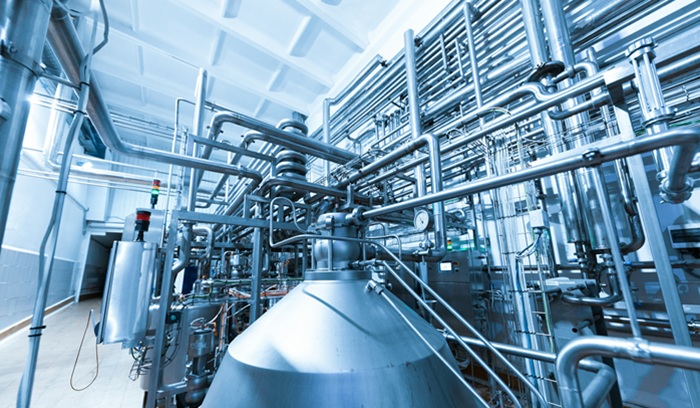
China has achieved a significant engineering milestone with the completion of Chaoton One, a large-scale power generation unit located in Shandong Province. This facility utilizes supercritical carbon dioxide (sCO2) instead of traditional steam to drive its turbines. This development represents a major evolution in thermodynamic efficiency and industrial engineering.
The operational success of the Shandong facility signals that sCO2 technology is advancing from experimental stages toward commercial viability. It offers a glimpse into a future where power plants are significantly smaller and more productive. This achievement places China at the forefront of the global race to modernize thermal energy systems.
Revolutionary Performance Metrics
The projected performance capabilities of Chaoton One are substantially higher than current standards. Compared to the heat steam power technologies currently in use, the unit is expected to deliver a 50 percent increase in net electricity generation. Even more striking, the project aims to improve overall power generation efficiency by over 85 percent.
These figures suggest a fundamental shift in how much energy can be extracted from a heat source. If realized at scale, this level of efficiency would drastically reduce the fuel required for power generation and thus associated carbon emissions. It transforms the economics of thermal energy, offering a massive boost in output without increasing fuel consumption.
The Science of Supercritical Carbon Dioxide
The core innovation lies in using carbon dioxide as the working fluid. When CO2 is heated and pressurized above a critical point, it adopts properties of both a gas and a liquid. In this supercritical state, the fluid becomes incredibly dense and efficient at transporting heat.
This allows the system to spin turbines with much greater force than traditional steam. Because sCO2 is denser than steam, the turbines required to generate power can be drastically smaller. A turbine the size of a desk can generate as much electricity as a steam turbine the size of a room.
Versatility for a Clean Energy Future
While currently tested with thermal sources in Shandong, this technology is fundamentally heat-source agnostic. The greatest potential for sCO2 generators lies in their integration with renewable energy sources. They are particularly well-suited for Concentrated Solar Power (CSP) plants.
The high operating temperatures of sCO2 cycles align perfectly with next-generation solar thermal technology. This combination could make solar thermal power cheaper and more efficient than ever before. The technology is also a prime candidate for next-generation nuclear reactors and waste heat recovery systems. By capturing heat from industrial processes, these generators can turn waste into clean electricity.
A Catalyst for Global Innovation
China’s deployment of Chaoton One serves as a wake-up call for the global energy sector. It demonstrates that the engineering challenges associated with high-pressure sCO2 systems can be overcome. This success will likely spur increased investment and research in the United States and Europe.
Competition in this high-tech sector drives rapid improvements and cost reductions. As nations vie for leadership in advanced power generation, the global energy grid stands to benefit from better hardware. This project proves that upgrading the fundamental machinery of the power grid is an achievable goal. The transition to a more efficient energy infrastructure has taken a solid step forward.
Resources
- U.S. Department of Energy on Supercritical CO2 Tech
- International Energy Agency on Energy Efficiency
- ScienceDirect on sCO2 Power Cycles
- Clean Air Task Force on Advanced Energy Systems
More Good News
-

Senegal launches all-electric bus network powered by renewable energy
Senegal has successfully launched a transformative Bus Rapid Transit system in Dakar, featuring a fleet of 121 fully electric buses. As the first network in Sub-Saharan Africa to operate entirely on renewable energy, the initiative utilizes local solar power to transport up to 300,000 passengers daily. By utilizing dedicated lanes, the clean energy fleet cuts cross-city commute times in half while preventing nearly 60,000 tons of carbon dioxide emissions annually. This monumental project dramatically improves urban air quality and establishes Senegal as a pioneering leader in sustainable, green public infrastructure.
-

Yangtze River showing remarkable ecological recovery following fishing ban
China’s Yangtze River is experiencing a remarkable ecological revival five years into a sweeping ten-year commercial fishing ban. Recent surveys reveal significant increases in overall fish biomass and the heartening return of critically endangered species in the world’s fifth largest river. Furthermore, thousands of former commercial fishers have been successfully transitioned into new roles as official river guardians. This massive conservation effort offers a hopeful, replicable model for global freshwater restoration.
-

Rob Jetten becomes The Netherland’s first openly gay prime minister
In a historic victory for representation and progressive politics, Rob Jetten has been sworn in as the first openly gay Prime Minister of the Netherlands. At 38 years old, the centrist Democrats 66 leader is also the youngest head of government in Dutch history. Jetten successfully formed a minority coalition government following a tense election that defeated far-right populist opponents. His platform prioritizes climate investment, economic fairness, and strong international collaboration. Jetten’s premiership powerfully reaffirms the Netherlands’ global legacy as a pioneer of LGBTQ+ equality and inclusive, cooperative democratic leadership.
-

Millions of New York City workers gain additional time off through new law
Millions of workers in New York City are benefiting from a major expansion of the Protected Time Off Law, which officially took effect in late February 2026. The progressive legislation grants employees an additional 32 hours of unpaid, protected leave that is available immediately upon hire or at the start of the calendar year. This ensures workers do not have to wait to accrue hours before addressing sudden medical emergencies or family crises. The law also vastly expands permitted uses to include mental health care, public disaster recovery, and caring for disabled loved ones.
-
Malaysia bans electronic waste imports to protect the environment and public health
In a monumental victory for public health and environmental justice, Malaysia has enacted an immediate and absolute ban on the importation of electronic waste. By removing regulatory loopholes and launching a strict enforcement campaign, the nation is successfully preventing toxic heavy metals from polluting its soil and waterways. Authorities have already intercepted hundreds of thousands of kilograms of illegal e-waste at major ports, vowing to return the hazardous materials to their countries of origin. This decisive action establishes Malaysia as a leading force in Southeast Asia’s growing movement to reject global waste and prioritize ecological sustainability.