
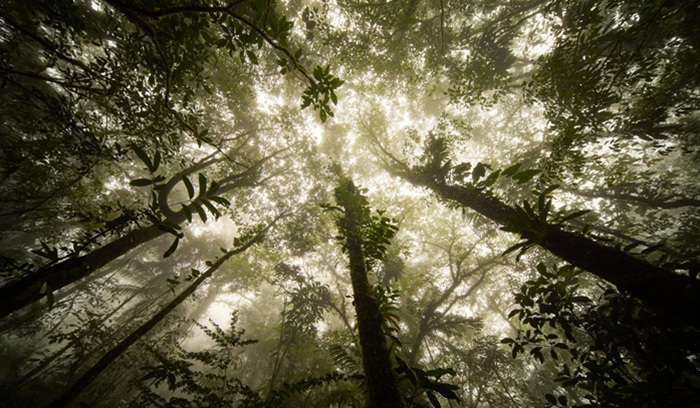
Bolivia has achieved a monumental conservation victory, securing the protection of nearly 2.4 million acres of the Amazon rainforest. This massive area, located in the Beni department, has been designated as a new municipal protected area. The initiative is a powerful example of collaboration between Indigenous communities, local governments, and conservation organizations. It safeguards a critical biodiversity hotspot from deforestation and illegal encroachment.
The protected zone, known as the Rhukanrhuka Municipal Protected Area, is larger than Yellowstone National Park. Its establishment is a direct response to the urgent need to preserve the Amazon biome. This action reinforces Bolivia’s commitment to environmental stewardship and Indigenous rights.
A Triumph for Indigenous Leadership
The driving force behind this success was the leadership of the local Indigenous peoples, particularly the Tsimane, Movima, and Yuracaré communities. These groups have lived in the region for centuries and possess deep traditional knowledge of the ecosystem. They worked tirelessly to map their territories and advocate for legal protection against external threats.
Their efforts were supported by the municipal government of Reyes, which recognized the value of partnering with local stewards. This collaboration ensures that the management of the protected area respects Indigenous customs and priorities. It empowers these communities to continue their sustainable way of life while protecting the forest for future generations.
Securing Vital Biodiversity and Carbon Stocks
The Rhukanrhuka area is ecologically vital, serving as a sanctuary for numerous endangered species. It is home to the Bolivian river dolphin (bufeo), jaguars, and the blue-throated macaw. Protecting this habitat ensures the survival of these iconic animals and maintains the genetic diversity of the region.
Furthermore, the forest acts as a massive carbon sink, absorbing millions of tons of carbon dioxide. Preserving this area contributes directly to global climate mitigation efforts. It prevents the release of greenhouse gases that would occur if the land were cleared for agriculture or cattle ranching. The Wildlife Conservation Society (WCS) provides scientific data on the biodiversity of this region.
A Sustainable Economic Model
The new protected area is not just a conservation zone; it is a foundation for sustainable economic development. The management plan includes provisions for eco-tourism and the sustainable harvesting of non-timber forest products. This approach provides a viable economic alternative to destructive industries like logging and gold mining.
By creating green jobs, the initiative supports the livelihoods of local families. It demonstrates that economic prosperity and environmental protection can go hand in hand. This model of conservation-based development is a hopeful blueprint for other regions in the Amazon. The Amazon Conservation Team supports similar community-led economic projects.
Strengthening Regional Conservation Networks
The establishment of Rhukanrhuka strengthens a broader network of protected areas in the Bolivian Amazon. It connects with other reserves to create a continuous wildlife corridor. This connectivity is essential for the long-term resilience of the ecosystem, allowing animals to migrate and adapt to changing conditions.
This success adds momentum to the global movement to protect 30 percent of the planet by 2030. It shows that sub-national governments can play a decisive role in achieving international conservation targets. The victory is a testament to the power of local action in solving global challenges. The Andes Amazon Fund provided critical financial support for the creation of this area. Furthermore, the Critical Ecosystem Partnership Fund (CEPF) highlights the importance of such biological corridors.
Resources
- Wildlife Conservation Society (WCS) Bolivia on Biodiversity Data
- Amazon Conservation Team on Indigenous Livelihoods
- Andes Amazon Fund on Protected Area Finance
- Critical Ecosystem Partnership Fund (CEPF) on Biological Corridors
More Good News
-

U.S.’s Smithsonian Institution to return stolen medieval sculptures to India
The Smithsonian National Museum of Asian Art is officially returning three ancient bronze sculptures to India after an internal investigation confirmed they were illegally removed from Tamil Nadu temples in the mid-twentieth century. In a unique collaborative agreement, the Indian government will allow one returned sculpture, a tenth-century Shiva Nataraja, to remain at the Washington museum on a long-term loan for educational display. This arrangement highlights a growing international commitment to decolonizing museum spaces, prioritizing transparent provenance research, and fostering cross-cultural cooperation to correct historical wrongs.
-

Sierra Leone opens its first-ever NICU in historic milestone for maternal health
In a historic milestone for global health, Sierra Leone has opened its first-ever neonatal intensive care unit (NICU) at the new Maternal Center of Excellence in Kono District. This state-of-the-art facility, built by Partners In Health and the local government, was largely funded by the “Nerdfighteria” community led by Hank and John Green, who raised over $50 million. The center aims to drastically reduce maternal and infant mortality by providing advanced care, including piped oxygen and surgical suites, while serving as a teaching hospital for the next generation of local clinicians.
-
Indonesia bans elephant riding in landmark welfare move
Following years of campaigning by animal welfare organizations, Indonesia has officially banned elephant riding at all tourism and conservation facilities. This landmark directive from the Ministry of Environment and Forestry ends a cruel practice that relies on brutal training and causes long-term harm to endangered elephants. Facilities must now transition to ethical, observation-based tourism models. This major policy shift prioritizes animal welfare over entertainment, setting a powerful example for responsible wildlife tourism across Southeast Asia.
-
Wild bison return to Illinois prairie after nearly 200 years
In a historic moment for conservation, wild bison have returned to the Illinois prairie for the first time in nearly two centuries. The Nature Conservancy has successfully reintroduced a genetically pure herd to the Nachusa Grasslands, marking the first time wild bison have roamed east of the Mississippi since the 1830s. This ecological milestone aims to restore the health of the tallgrass prairie, as the bison’s natural grazing habits boost biodiversity and support other native species. The project offers a powerful model for rewilding and connecting communities with their natural heritage.
-

Electric car sales outpace gas-powered cars in the E.U. for the first time
In a historic shift for the automotive industry, fully electric vehicles (EVs) have outsold petrol cars in the European Union for the first time. Data from the European Automobile Manufacturers Association shows that EVs captured 23.6 percent of the market in December 2025, surpassing petrol registrations. This milestone confirms that the transition to zero-emission transport is accelerating rapidly, driven by strong climate policies, falling costs, and growing consumer confidence. The achievement marks the beginning of the end for fossil fuel dominance on European roads.