

A historic milestone for conservation and Indigenous rights has been achieved in Bolivia. The Loma Santa territory has been officially designated as the first Indigenous Protected Area in the Bolivian Amazon. This groundbreaking status grants the Moxeño Ignaciano, Yuracaré, and Tsimane peoples legal authority to manage their ancestral lands. This victory is the result of decades of struggle to secure land tenure and protect vital ecosystems from encroachment.
This designation covers a vast area of biodiversity-rich rainforest. It empowers local communities to serve as the primary guardians of their environment. This model of Indigenous-led conservation offers a hopeful path forward for the entire Amazon region.
Securing Land Rights and Sovereignty
The core achievement of the Loma Santa designation is the formal recognition of Indigenous territorial rights. For years, these communities faced threats from illegal loggers, ranchers, and land grabbers. The new legal framework provides a robust mechanism to defend their borders and resources. This security allows the communities to govern their lands according to their own traditions and sustainable practices.
By securing land tenure, the government acknowledges the essential role of Indigenous peoples in environmental stewardship. This move strengthens the social fabric of the region. It ensures that decisions about the land are made by those who have lived there for millennia. This alignment of legal rights with conservation goals is a powerful precedent for environmental justice. The Rights and Resources Initiative (RRI) tracks the global progress of Indigenous land tenure.
Protecting Vital Biodiversity
Loma Santa is a critical biodiversity hotspot within the Amazon. The protected area safeguards habitat for numerous endangered species, including jaguars, giant otters, and river dolphins. Protecting this territory is essential for maintaining the ecological integrity of the wider region. The Indigenous management plan focuses on sustainable resource use that preserves these habitats.
This conservation model is highly effective. Studies consistently show that Indigenous-managed lands have lower deforestation rates than other protected areas. By integrating traditional knowledge with modern conservation science, the communities are ensuring the long-term health of the forest. This success contributes directly to global biodiversity targets. You can find data on the effectiveness of Indigenous conservation from the World Resources Institute (WRI).
Empowering Sustainable Livelihoods
The protected area designation supports the development of sustainable local economies. The communities of Loma Santa rely on the forest for their livelihoods, including fishing, hunting, and gathering. Legal protection ensures these resources are not depleted by external commercial exploitation.
Furthermore, the new status opens opportunities for eco-friendly initiatives such as sustainable forestry and ecotourism. These ventures provide income while reinforcing conservation values. This economic empowerment is vital for the long-term resilience of the communities. It demonstrates that economic development does not have to come at the cost of environmental destruction. The Rainforest Foundation US supports similar community-led initiatives across the Amazon.
A Model for the Amazon Basin
The establishment of Loma Santa sets an inspiring example for other Indigenous territories across the Amazon Basin. It proves that persistent advocacy and legal action can lead to formal recognition and protection. This success encourages other communities facing similar threats to pursue their land rights.
This victory strengthens the global movement for Indigenous-led conservation. It highlights the importance of partnering with local peoples to achieve climate and biodiversity goals. The legacy of Loma Santa will be a healthier forest and a stronger, more autonomous Indigenous population. The Amazon Conservation Team works to expand this model of biocultural conservation.
Resources
- Rights and Resources Initiative (RRI) on Land Tenure Data
- World Resources Institute (WRI) on Indigenous Forest Stewardship
- Rainforest Foundation US on Community Protection
- Amazon Conservation Team on Biocultural Conservation
More Good News
-

Senegal launches all-electric bus network powered by renewable energy
Senegal has successfully launched a transformative Bus Rapid Transit system in Dakar, featuring a fleet of 121 fully electric buses. As the first network in Sub-Saharan Africa to operate entirely on renewable energy, the initiative utilizes local solar power to transport up to 300,000 passengers daily. By utilizing dedicated lanes, the clean energy fleet cuts cross-city commute times in half while preventing nearly 60,000 tons of carbon dioxide emissions annually. This monumental project dramatically improves urban air quality and establishes Senegal as a pioneering leader in sustainable, green public infrastructure.
-
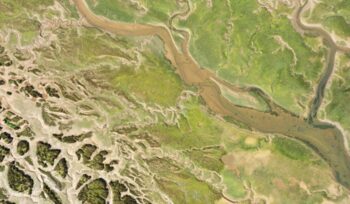
Yangtze River showing remarkable ecological recovery following fishing ban
China’s Yangtze River is experiencing a remarkable ecological revival five years into a sweeping ten-year commercial fishing ban. Recent surveys reveal significant increases in overall fish biomass and the heartening return of critically endangered species in the world’s fifth largest river. Furthermore, thousands of former commercial fishers have been successfully transitioned into new roles as official river guardians. This massive conservation effort offers a hopeful, replicable model for global freshwater restoration.
-

Rob Jetten becomes The Netherland’s first openly gay prime minister
In a historic victory for representation and progressive politics, Rob Jetten has been sworn in as the first openly gay Prime Minister of the Netherlands. At 38 years old, the centrist Democrats 66 leader is also the youngest head of government in Dutch history. Jetten successfully formed a minority coalition government following a tense election that defeated far-right populist opponents. His platform prioritizes climate investment, economic fairness, and strong international collaboration. Jetten’s premiership powerfully reaffirms the Netherlands’ global legacy as a pioneer of LGBTQ+ equality and inclusive, cooperative democratic leadership.
-

Millions of New York City workers gain additional time off through new law
Millions of workers in New York City are benefiting from a major expansion of the Protected Time Off Law, which officially took effect in late February 2026. The progressive legislation grants employees an additional 32 hours of unpaid, protected leave that is available immediately upon hire or at the start of the calendar year. This ensures workers do not have to wait to accrue hours before addressing sudden medical emergencies or family crises. The law also vastly expands permitted uses to include mental health care, public disaster recovery, and caring for disabled loved ones.
-

Malaysia bans electronic waste imports to protect the environment and public health
In a monumental victory for public health and environmental justice, Malaysia has enacted an immediate and absolute ban on the importation of electronic waste. By removing regulatory loopholes and launching a strict enforcement campaign, the nation is successfully preventing toxic heavy metals from polluting its soil and waterways. Authorities have already intercepted hundreds of thousands of kilograms of illegal e-waste at major ports, vowing to return the hazardous materials to their countries of origin. This decisive action establishes Malaysia as a leading force in Southeast Asia’s growing movement to reject global waste and prioritize ecological sustainability.