Good News Links

Aerial view of London and the Thames

U.K. use of gas and coal for electricity at lowest since 1957

The UK’s gas power plants last year generated 31% of the UK’s electricity, or 98 terawatt hours, according to a report by the industry journal Carbon Brief, while the UK’s last remaining coal plant produced enough electricity to meet just 1% of the UK’s power demand or 4TWh. Fossil fuels have been increasingly squeezed out of the electricity system by a surge in renewable energy generation combined with higher electricity imports from France and Norway and a long-term trend of falling demand.

american public power association eIBTh DXW w unsplash

In Scotland, renewable power has outstripped demand

For the first time, in 2022, Scottish renewables generated more power than the country used, new government figures show. The growth of wind power, coupled with a small drop in electricity consumption, meant that the volume of electricity produced by renewables in Scotland was equal to 113 percent of demand.

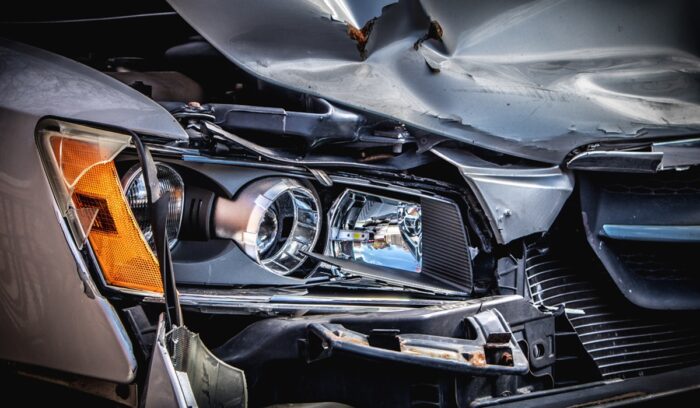
Front of totaled car

Road traffic deaths have fallen significantly across the globe since 2010

The new 2023 World Health Organization report on road safety shows that, since 2010, road traffic deaths have fallen by 5%—and that would translate into a 16% drop if the rise in global population was accounted for. 108 countries reported a drop in road traffic-related deaths between 2010 and 2021. Ten countries succeeded in reducing road traffic deaths by over 50%.

Wild Saiga antelopes in steppe near watering pond

Saiga no longer endangered with 1.9 million roaming Central Asian Steppe

The IUCN Red List status of this timeless talisman of the Central Asian steppes has been changed from Critically Endangered to Near Threatened. The dramatic downlisting reflects a remarkable rebound in saiga numbers, particularly its Kazakhstan stronghold, where populations have bounced back from a perilously low 48,000 individuals in 2005 to a new high of over 1.9 million.

Biogas plant in agricultural landscape.

South Korea to require producers of organic waste resources to make biogas

According to the East Asian nation’s Environment Ministry’s new biogas law, public and private industries that generate organic waste such as livestock manure and food waste will now be required to produce them in the form of biogas. Biogas is a gaseous renewable energy source produced from raw materials such as agricultural waste, plant material and manure and can be used in vehicles that operate on natural gas.