
World Bank offers $1 billion for batteries in emerging markets
The World Bank committed $1 billion to finance battery-storage systems in developing countries, and expects its participation to attract another $4 billion in backing.
The World Bank committed $1 billion to finance battery-storage systems in developing countries, and expects its participation to attract another $4 billion in backing.
Eighty-nine early signatories, including the U.K.’s biggest supermarkets as well as food producers, manufacturers and restaurant chains, have committed to halving their food waste from “farm to fork” by 2030.
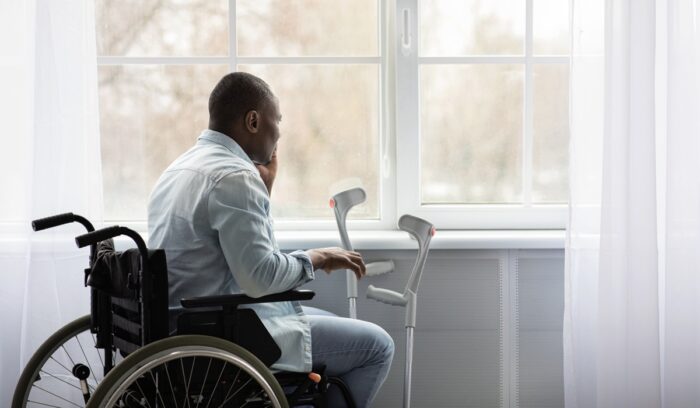
The new research shows that electrical stimulation of the spine can re-educate the body and help move the legs even though signals from the brain are cut off.
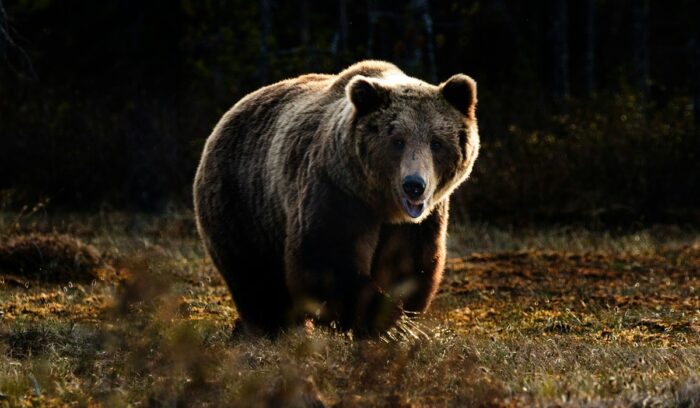
A U.S. District Court judge restored federal protections to grizzly bears in and around Yellowstone National Park, overturning a Trump administration finding.
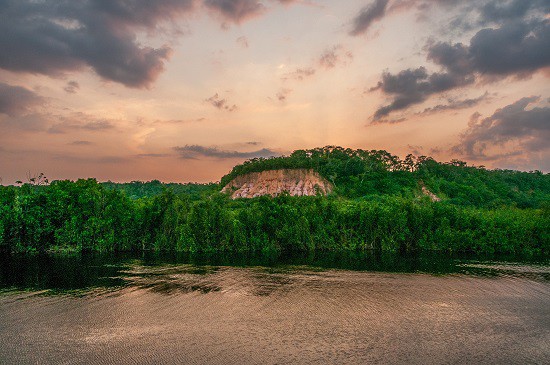
A coalition of investors managing over US$5.6 trillion in assets joined a coalition of more than 70 large food companies in calling for zero deforestation in Brazil’s Cerrado region.

It’s the first such system in the country, according to the report, and could vastly decrease the environmental impact of beverage sales.

U.S. District Judge William Conley concluded that there was no legally valid reason to exclude medically necessary care for the workers and called some of the state’s arguments “unhinged from reality.”

The Social Progress Index measures 51 social and environmental indicators to create a clearer picture of what life is really like for everyday people.
The stores would run on 100 per cent renewable energy, ensure waste was reduced by donating unsold food to local banks and use state-of-the-art technology to ensure that annual water consumption is reduced by 30 per cent.
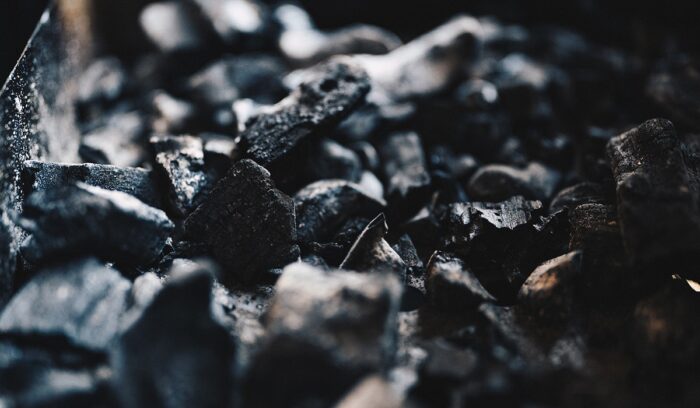
Japan’s Marubeni Corp said it would no longer start new coal-fired power plant projects and will halve its net coal power generating capacity of about 3 gigawatts (GW) by 2030.