
Costa Rica produces 98.84% of its power from renewables in 2019
According to the National Centre for Energy Control, the Central American country has maintained the trend of keeping the annual share of the renewable generation above 98% since 2015.
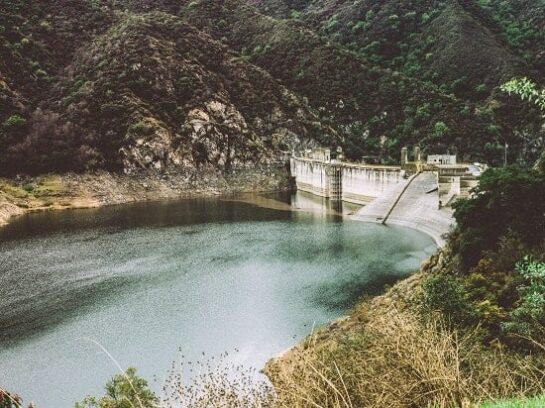
According to the National Centre for Energy Control, the Central American country has maintained the trend of keeping the annual share of the renewable generation above 98% since 2015.

Mattel’s research has concluded that today’s kids generally don’t want what toys they are expected to play with to be dictated by their gender.

Since 2014, Social Progress Imperative publishes an annual index of over 150 countries, scoring them across 51 indicators. Each year has shown improvement on the global average.
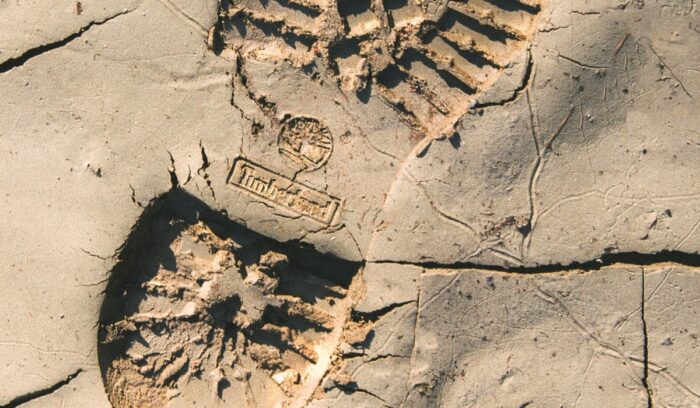
Over the next five years, Timberland plans to plant 50 million trees. Partnering with nonprofits, the company will begin with projects in Haiti, China, the Dominican Republic, the United States, Tanzania, and Mali.
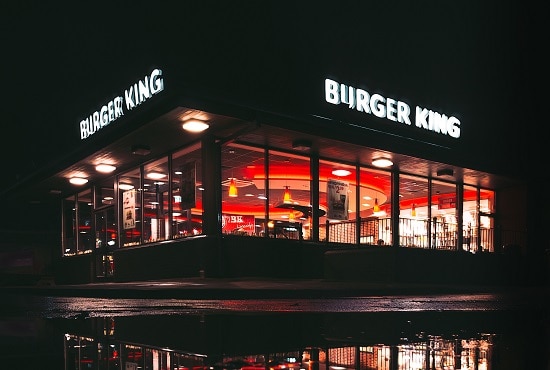
Burger King claims the initiative will save 320 tonnes of single use plastic every year. This move will help them reach their 2025 goal to make all packaging 100% reusable, recyclable or compostable.
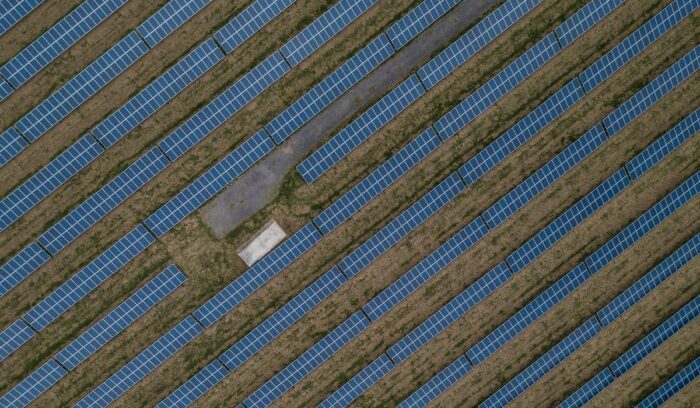
The International Energy Agency expects to see growth in solar of over 17% and capacity of 115 gigawatts (GW) by year’s end.

The measure gives merchants two years to phase out bags, straws, plates, cups and containers made from plastic or plastic foam, and replace them with compostable items.
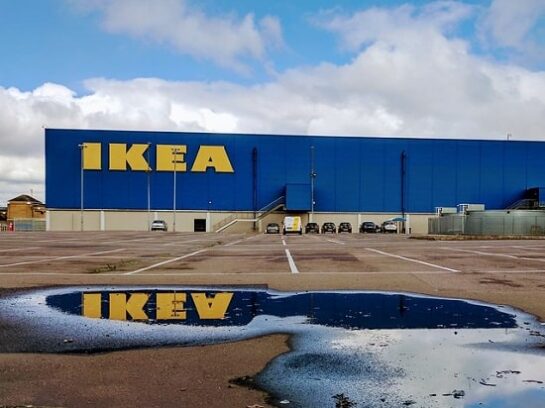
IKEA will generate more renewable energy before the end of 2019 than the energy its stores use. Ultimately, it plans to be climate-positive by 2030.
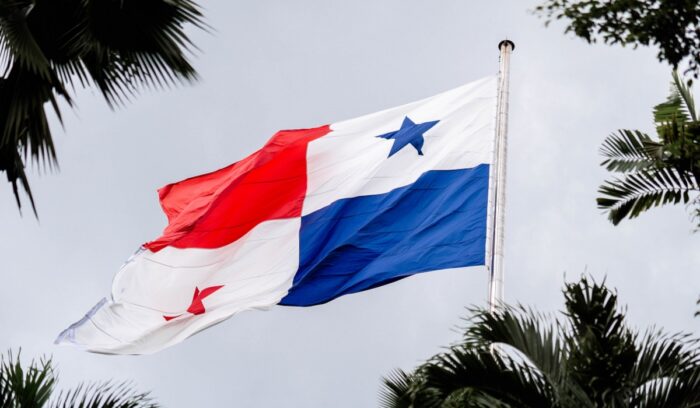
Panama’s plastic bag ban has gone into effect. Panama became the first Central American country to ban single-use plastic bags in 2018.
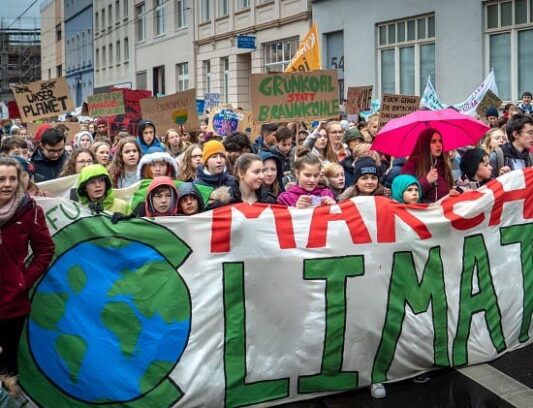
An estimated four million protesters in over 150 countries marched in the youth led global climate strike.