Today (2017 C.E. - 2025 C.E.)

Quebec city

Quebec passes bill that bans gas-powered vehicle sales by 2035

The ban, which is part of the province’s plan to reduce greenhouse gas emissions, will take place in two phases. First, as of Jan. 31, 2034, it will be prohibited to advertise the sale of a light combustion vehicle of the 2035 model year or later, whether it’s a new or used vehicle, including hybrid and plug-in hybrid models. Then, beginning Dec. 31, 2035, selling and leasing new light combustion vehicles of 2034 model year and earlier will be banned.

Onager

Asiatic wild asses return to Saudi Arabia after 100 years

It’s been a century since an onager or Asiatic wild ass was last seen in Saudi Arabia. But in April this year, seven onagers were relocated from neighboring Jordan into one of Saudi Arabia’s nature reserves. One of the onagers has even birthed a female foal since then. Saudi Arabia was historically home to the Syrian wild ass , an onager subspecies that was hunted into extinction in the 1920s. But with the Syrian onager gone forever, it’s closest living relative, the Persian onager from Jordan, “was deemed the best alternative sub-species with which to re-populate the Middle East.”

Brazilian flag

Brazil passes law to cap emissions and regulate carbon market

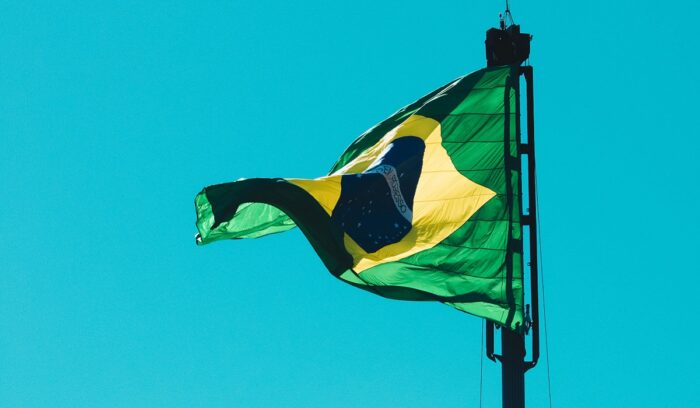
Brazil will join the short list of countries, which includes China, Mexico, and Kazakhstan, and most E.U. member states, with a nationwide regulated carbon emissions system. The Brazilian government and the law’s proponents in the industrial sector say a regulated market will encourage companies to adopt low-carbon technologies and innovate toward greener production methods. Fines for not complying will be largely rerouted toward Brazil’s national climate change fund and administrative costs, with 5% of the fines destined to compensate Indigenous communities.

Cargo ship from above

Finland becomes world’s first country to ban cargo ships from dumping wastewater

Ship sewage discharged into the Baltic Sea contains large amounts of fecal bacteria and solid waste. Moreover, it is nutrient-rich, exacerbating eutrophication and causing toxic algal blooms in the summer months. Passenger ships in Finnish waters have long been prohibited from dumping this sewage into the sea, instead sending it to on-shore wastewater facilities. But now cargo vessels will be held to the same standard. The new law, set to take effect in July, will make Finland the world’s first country to implement such comprehensive wastewater regulations.

Good news for British climate action

Renewable power set to overtake fossil fuels in the U.K. this year for the first time

While particularly windy periods have meant certain days in the last few years have been dominated by renewable power as turbines lit up the grid, this is the first time through an entire calendar year that renewable energy will be greater than power generated from burning oil, gas and coal. The shift is driven largely by a decline in production from coal, gas, and oil, as well as growing wind, solar, and biomass power, according to think tank Ember.

sidharth bhatia QstzxTWnXY unsplash scaled e

77% of universities have now pledged to divest from fossil fuels

115 U.K. universities have now pledged to exclude fossil fuel companies from their investment portfolios, following Birmingham City University, Glasgow School of Art, Royal Northern College of Music, and the University of Bradford all incorporating fossil fuel industry exclusions into their Ethical Investment Policies. The divested universities represent 77% of the U.K. Higher Education sector and more than $22 billion USD worth of endowments.

Damascus Cityscape

‘Disappeared’ Syrian dissidents emerge from Assad’s prisons after regime collapse

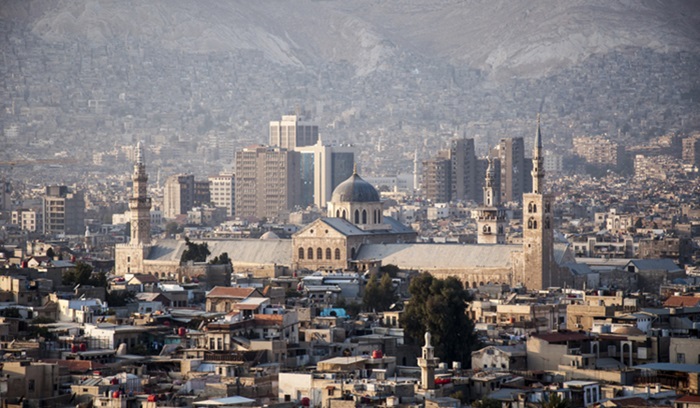
As Syrian rebels led by the Islamist group Hayat Tahrir al-Sham (HTS) captured city after city on the road to Damascus, forcing Bashar al-Assad to flee the country, they also opened the doors of the regime’s notorious prisons, into which upwards of 100,000 people disappeared during nearly 14 years of civil war. Many emerged frail and emaciated into the bright December sunlight, greeted by weeping family members who had no idea they were still alive.

Molten iron ore

China develops new iron making method that boosts productivity by 3,600 times

The flash iron making method, as detailed by Professor Zhang Wenhai and his team in a paper published in the peer-reviewed journal Nonferrous Metals last month, can complete the iron making process in just three to six seconds, compared to the five to six hours required by traditional blast furnaces. According to Zhang and his colleagues, the new technology could improve energy use efficiency in China’s steel industry by over one-third. Additionally, by eliminating the need for coal entirely, it would help the steel industry achieve the goal of near-zero carbon dioxide emissions.

Coal

Indonesia aims to phase out all coal-fired and fossil fuel power plants by 2040

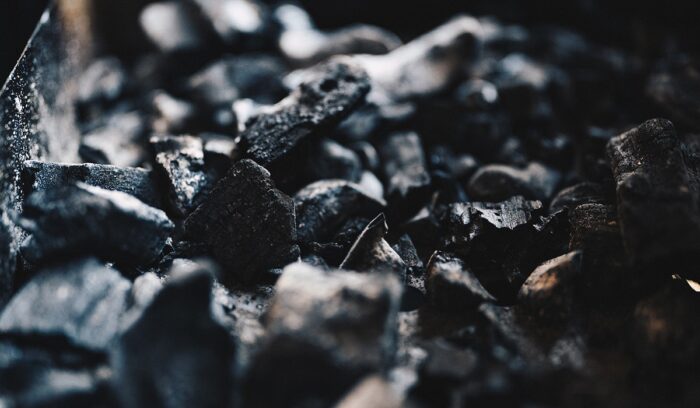
Indonesian president Prabowo Subianto has announced his country will seek to phase out all coal-fired and fossil fuel power plants by 2040, pairing the goal with a target to build over 75 GW of renewable energy capacity over the same period. This brings forward Indonesia’s goal of retiring coal-fired power plants from 2056 to 2040. As the world’s fifth-largest operator of coal-fired power capacity at 52.3 GW, Indonesia’s promise to transition completely away from coal could serve as a pivotal step towards global decarbonization if implemented as planned.

Namibian President Netumbo Nandi-Ndaitwah

Namibia elects Netumbo Nandi-Ndaitwah as its first female president

Nandi-Ndaitwah was a member of the underground independence movement in Namibia in the 1970s. She was promoted from foreign minister to vice president in February after President Hage Geingob died while in office. She was widely viewed as a steady hand, a seasoned diplomat not tainted by the corruption scandals that had engulfed some other members of the ruling Swapo party.