
Catholic institutions divest from fossil fuels
So far, more than 150 Catholic banks, universities, foundations, and others have pledged to end their investments in fossil fuels.

So far, more than 150 Catholic banks, universities, foundations, and others have pledged to end their investments in fossil fuels.

For these people who are suddenly without income, businessmen and donors have set up machines that dispense free rice at several cities across Vietnam.
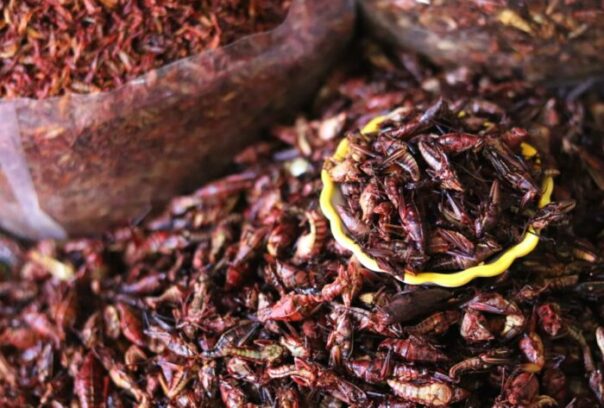
In the next few weeks, the European Union’s Food Safety Authority is expected to classify several types of insects as safe for human consumption.

“This shipment will help protect healthcare professionals working on the front lines against COVID-19 in the United States and demonstrates the strength of the U.S.-Vietnam partnership,” the U.S. embassy in Hanoi said.

The $1 billion program, which aims to cover 12 million families, is meant to assist them to “buy rations so that they don’t go hungry.”

More than 20% of Norway’s CO2 emissions come from heavy-duty construction equipment, motivating the Oslo government to say all new, public buildings must be built with “fossil-free” construction machinery.
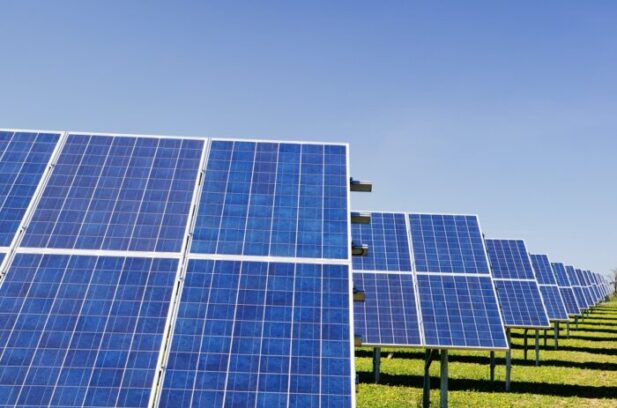
In 2019, nearly three-quarters of all new energy sources were renewable, the most ever since data collection began in 2001, according to a new report from the International Renewable Energy Agency (IRENA).

In several of the patients the virus cleared up entirely, leading the authors to conclude that plasma “can serve as a promising rescue option” for severe COVID-19 cases.

Volunteers have donated over one exaflop of processing power to Folding@Home, making it the world’s fastest supercomputer.
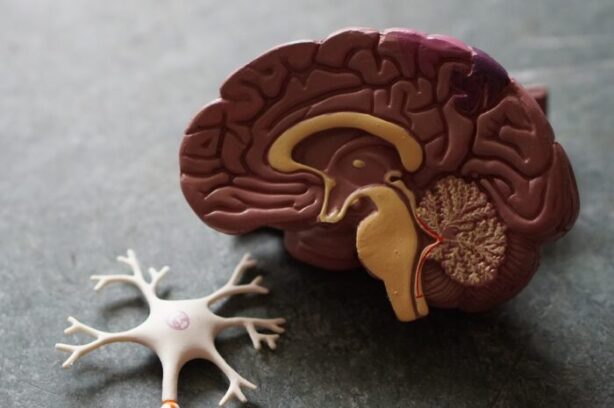
“There’s never been a therapy for treatment-resistant depression that’s broken 55% remission rates in open-label testing,” the team says.