
Chile to become the 31st country to recognize same-sex marriage
The new law removes restrictions on same-sex couples around parentage, adoption rights, and assisted reproduction.
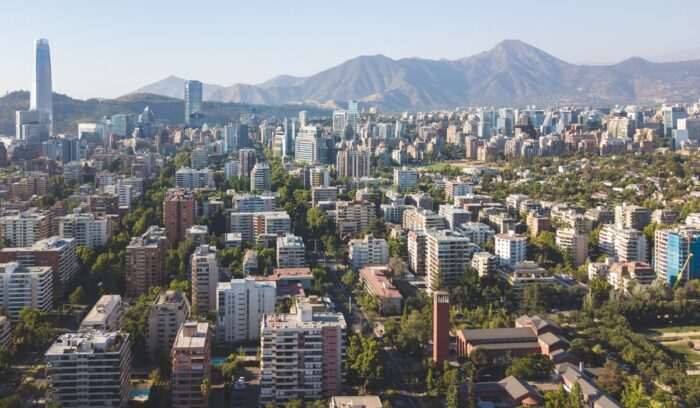
The new law removes restrictions on same-sex couples around parentage, adoption rights, and assisted reproduction.
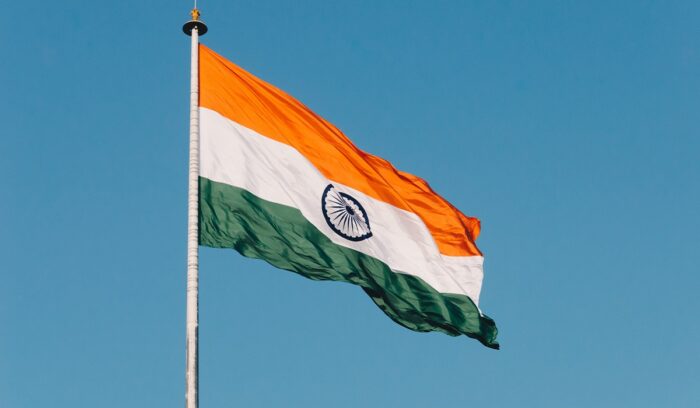
At COP 21, as part of its Nationally Determined Contributions, India committed to achieving 40 per cent of its installed electricity capacity from non-fossil energy sources by 2030.

Animals will no longer be able to be seized, abandoned, mistreated, or separated from one of their owners, without having their well-being and protection taken into account.

Botswana’s Court of Appeal has declared the government’s appeal unsuccessful, effectively decriminalizing homosexuality in the country, a big win for the LGBTQ+ community.

Ecuador’s constitutional court has blocked plans to mine copper and gold in Los Cedros, a protected cloud forest, ruling that the plans violate the rights of nature.

14,000 square-miles of new forest will go up every year, particularly in drought-prone regions of the North and West.

The sites, intended to reduce overdose deaths, will serve as a safe place for drug users to inject heroin and other drugs under the supervision of medical professionals.

Princeton University researchers have discovered what they call a “silver bullet” in the form of a compound that can disable the gene that allows most major cancers to metastasize in mice and human tissue.

The decree is the first of its kind in Sorong, West Papua province. It moves the Gelek Malak Kalawilis Pasa clan closer to having its rights officially recognized by the central government.

Since 2015, Belgium, Luxembourg, Canada, New Zealand, Spain, the Netherlands, Colombia, Germany, Austria, Portugal, five Australian states, ten American states, and D.C. have legalized assisted dying.