
Humpback whales no longer endangered, Australian officials say
Australia passed an anti-whaling policy in 1979, and the Guardian reports there are now as many as 40,000 individuals alive in the wild, after reaching a low of 1,500 decades ago.
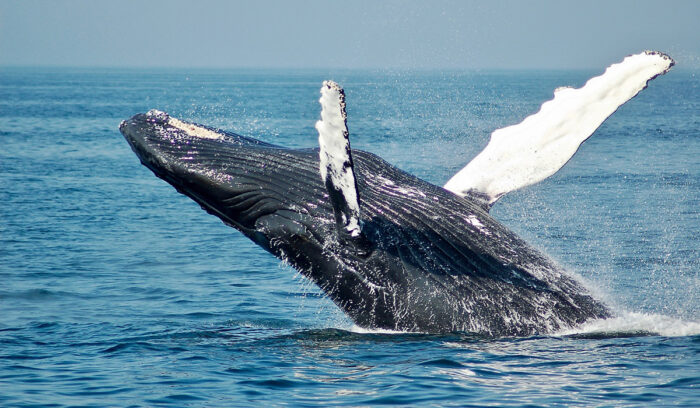
Australia passed an anti-whaling policy in 1979, and the Guardian reports there are now as many as 40,000 individuals alive in the wild, after reaching a low of 1,500 decades ago.

In a study of 20,000 pregnant women, baby death rates in ethnic groups were three times lower than normal when the tool was used.

Economy Minister Robert Habeck has described the accelerated capacity expansion for renewable energy as a key element in making the country less dependent on Russian fossil fuel supplies.
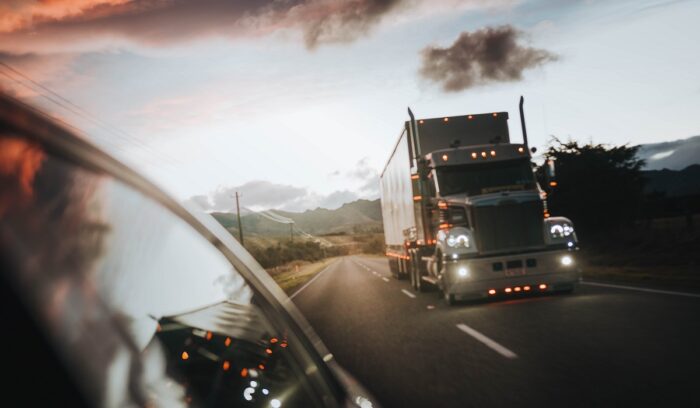
By May 2023, haulers operating zero-emissions trucks — battery electric or hydrogen — must be given discounts of at least 50% on distance-based road tolls.

The World Health Organization has estimated that more than 50 percent of vaccines go to waste every year, often due to the challenge in keeping vaccines at stable cold temperatures.
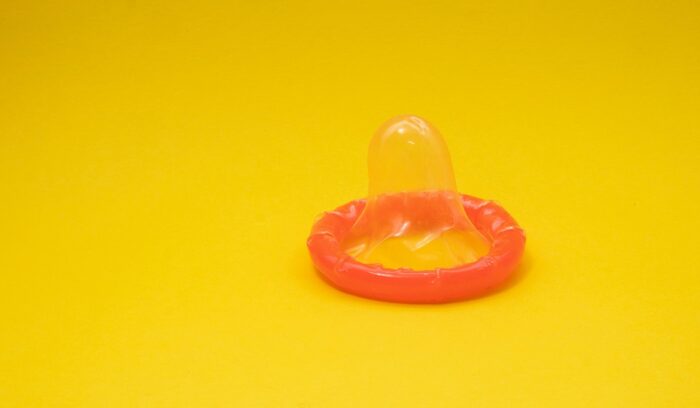
The organization has just authorized the sale of the ONE Male Condom, designed specifically to prevent the transmission of HIV and other STIs during anal sex.

The U.S. Environmental Protection Agency (EPA) will clean up, strengthen nearby infrastructure, and improve nearby supporting communities in 22 identified areas of concern.
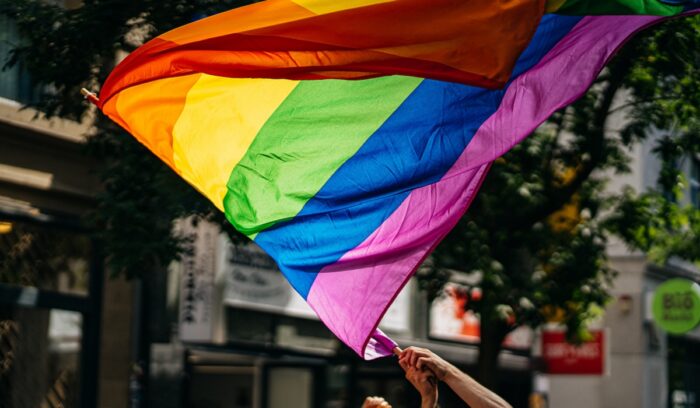
Any doctor in India found engaged in LGBTQ conversion therapy is now liable to be prosecuted for professional misconduct.
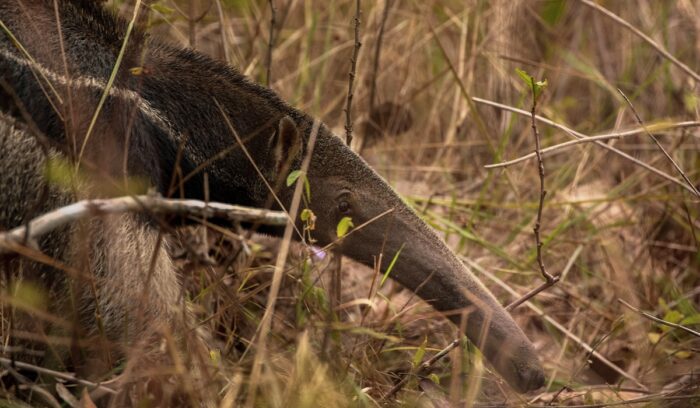
In 2007, the first pair of giant anteaters was reintroduced Iberá reserve, a region from which it had gone extinct decades earlier. Today, more than 200 anteaters live free in the reserve.
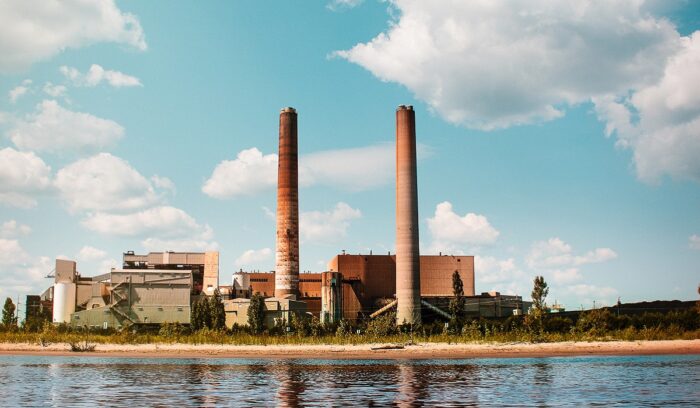
Duke Energy Corp. intends to close the rest of its coal plants by 2035 and more than double its renewable capacity by 2030 as part of a massive — and expensive — clean energy push.