
Nissan electrifies Philippine car market with the LEAF
Nissan introduced the LEAF to the Philippines on May 9, officially plugging the country into the electric vehicle era.

Nissan introduced the LEAF to the Philippines on May 9, officially plugging the country into the electric vehicle era.
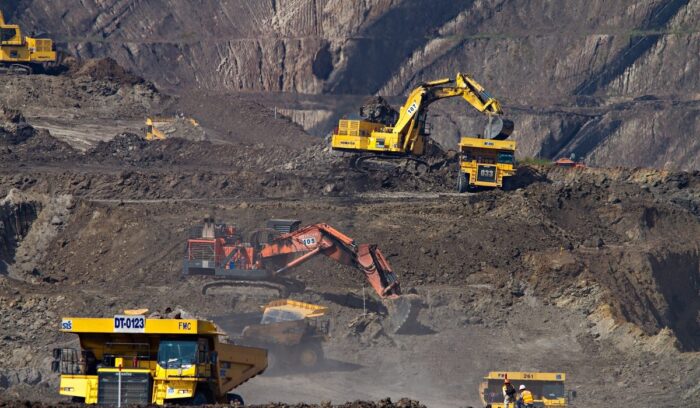
Indonesia, Vietnam, Bangladesh, and the Philippines have canceled nearly 45 gigawatts of proposed coal power projects, a figure equal to more than one-quarter of the total installed capacity of Germany.
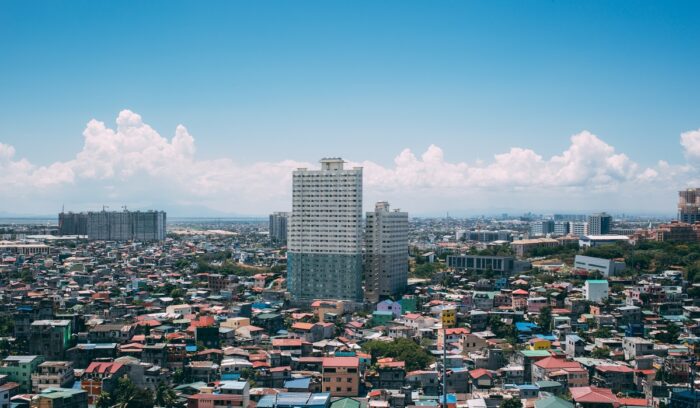
The Philippines has stopped accepting new proposals for coal-based power projects to encourage investment in other energy sources like natural gas and renewables, the government’s energy chief said.

The law formalises a tradition of planting trees upon graduation, which is also hoped to simultaneously combat global climate change.
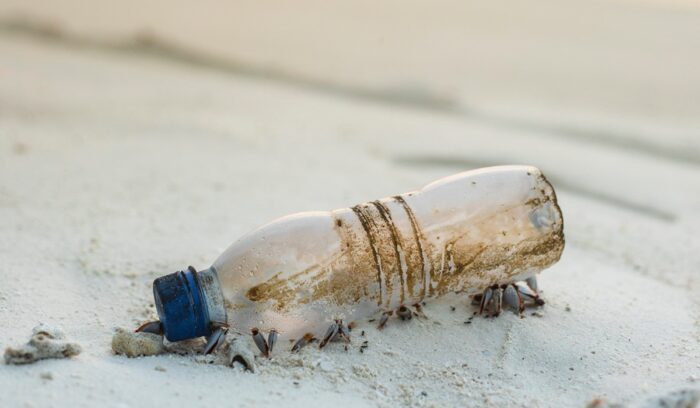
Acuva Technologies, based out of British Columbia, Canada, has announced its partnership with Quezon City-based Kooler Industries, in an effort to make a significant difference in the war against plastic waste in the Philippines.
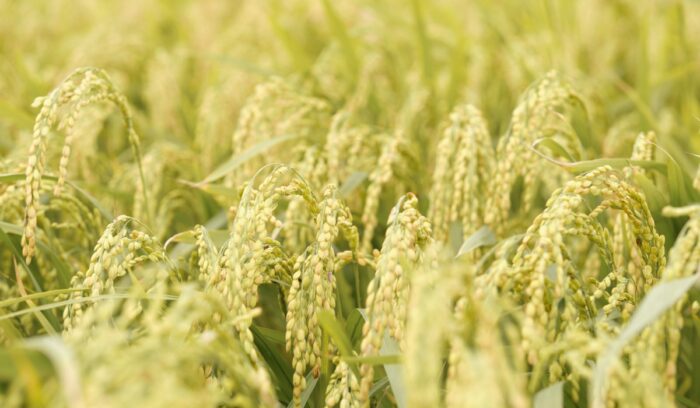
Like the “doomsday” seed vault in Norway, the purpose of the IRRI gene bank is to ensure we never find ourselves in a position where our food supply isn’t secure and diverse.
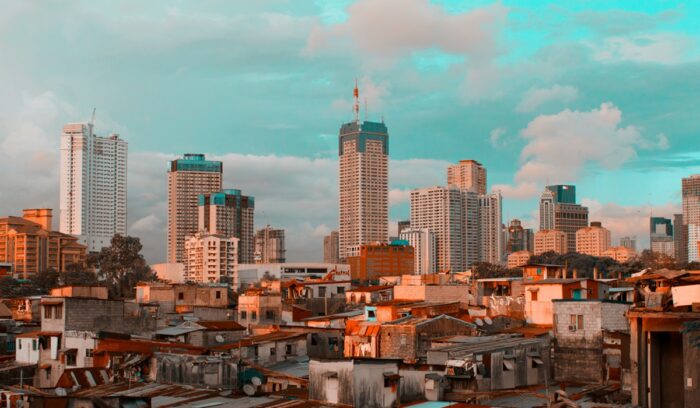
The Philippine city of Mandaluyong has approved an ordinance to protect the rights of lesbian, gay, bisexual, and transgender people from discrimination, the latest in a slew of local laws passed across the country.
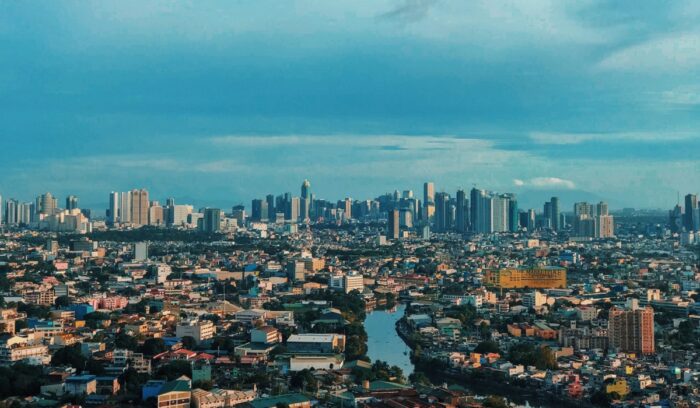
The Philippines Senate has voted unanimously to ratify the Paris Agreement on climate change, four months earlier than previously expected.

The ICRI is an informal partnership among nations, international organizations and non-government organizations to help protect coral reefs globally. It is now the world’s largest body dedicated to coral conservation.

The Treaty of Manila of 1946 relinquished U.S. sovereignty over the Philippines and recognized the independence of the Republic of the Philippines.