
Norwegian app designed to sleuth out sources of sea plastic pollution
A new app, currently in development at the Norwegian University of Science and Technology, is designed to determine where plastic waste came from so action can be taken.

A new app, currently in development at the Norwegian University of Science and Technology, is designed to determine where plastic waste came from so action can be taken.
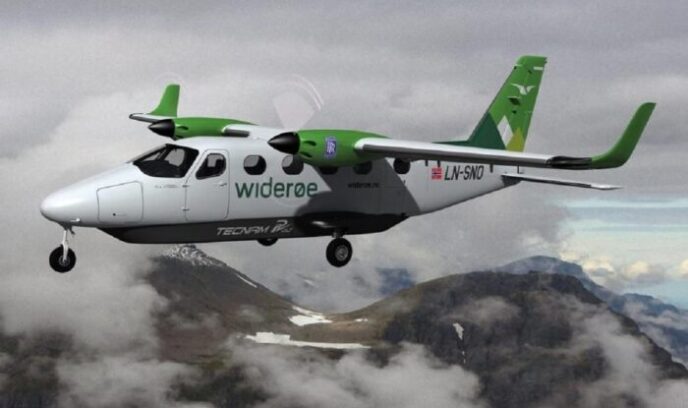
“This aircraft shows how quickly new technology can and will be developed, and that we are on track with our ambition of flying with zero emissions around 2025.”

Last year, the city recorded zero pedestrian or cyclist deaths, bringing the capital in line with its “Vision Zero”, an undertaking to eliminate all fatalities on public roads.
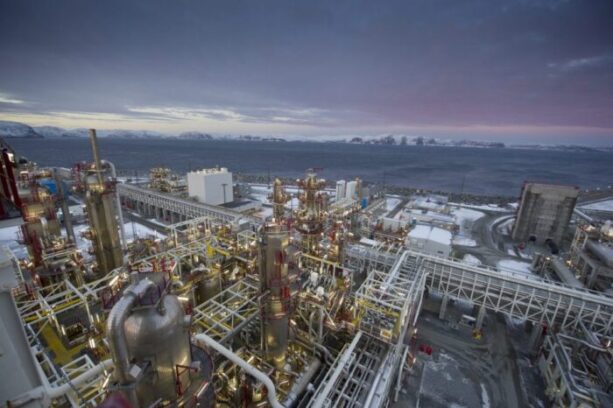
The project — named Longship after the vessels built by the Vikings — will store CO2 captured from a cement plant in southern Norway and an incineration plant operating in Oslo. The greenhouse gas will be pumped down in a reservoir built undersea on the west coast of Norway specifically for this purpose.

Today, no Norwegians are buying diesel Golfs. Instead, 97% of new Golfs sold in Norway are electrics. The shift is so dramatic that Volkswagen no longer sells the Golf with a diesel engine in Norway.

Storebrand, a Norwegian asset manager, divested from miner Rio Tinto, as well as US oil giants ExxonMobil and Chevron, as part of a new climate policy targeting companies that use their political clout to block green policies.

According to a study conducted at a wind farm on the Norwegian archipelago of Smøla, changing the color of a single blade on a turbine from white to black resulted in a 70-percent drop in the number of bird deaths.

The world’s biggest wealth fund was built on Norway’s oil and gas production revenue. Now, the fund is taking a stand against global warming by excluding some of the world’s largest fossil fuel companies from its portfolio.
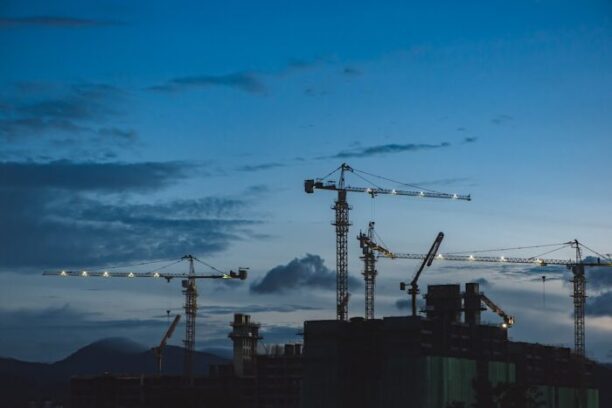
More than 20% of Norway’s CO2 emissions come from heavy-duty construction equipment, motivating the Oslo government to say all new, public buildings must be built with “fossil-free” construction machinery.

By 2040, the country intends all short-haul flights leaving its airports to be on aircraft powered by electricity.