
Volvo sets goal of 25 percent recycled plastics in cars from 2025
At least 25 percent of the plastics used in new Volvo car models from 2025 will be from recycled materials.

At least 25 percent of the plastics used in new Volvo car models from 2025 will be from recycled materials.

The €300 million investment, signed with the Export-Import Bank of China (Eximbank), will be used on a range of climate projects, including sustainable transport, energy efficiency, renewable energy, and water infrastructure.

China, the world’s biggest energy consumer, cut its 2005 carbon intensity level, or the amount of climate-warming carbon dioxide it produces per unit of economic growth, by 46 percent in 2017, Xie told a forum in Shanghai on Tuesday.

China has tasked 60,000 soldiers to increase the country’s total forest coverage in an attempt to combat its serious air pollution problem.
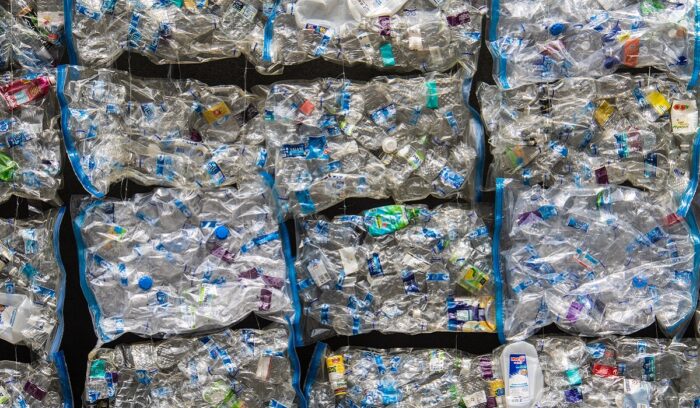
China’s “National Sword” policy banned the import of most plastics and other materials headed for that nation’s recycling processors, which had handled nearly half of the world’s recyclable waste. The move was an effort to halt a deluge of soiled and contaminated materials that was overwhelming Chinese processing facilities and causing environmental havoc. Within one year, China’s plastics imports plummeted by 99%, leading to a major global shift in where and how materials are being processed and incentivizing less wasteful behavior around the world.

The win comes amid growing momentum for the gay rights movement in Asia, with Taiwan’s constitutional court this year declaring that same-sex couples have the right to marry, the region’s first such ruling.

The move would follow similar plans announced by France and Britain to outlaw the sale of petrol and diesel cars and vans from 2040 in order to clamp down on harmful emissions.

The results released early Monday are a surprising sign of faith in young people with progressive ideas among Macau’s notoriously apathetic electorate.

Environment ministers representing Canada, China and the European Union will co-host a meeting in Montreal later this month to advance implementation of the Paris climate change agreement.

China will contribute $500 million for a South-South cooperation assistance fund to help other developing countries deal with famine, refugees, climate change and public health challenges.