
Canada commits historic $1.3 billion to create new protected areas
The Trudeau government committed an unprecedented $1.3 billion in Tuesday’s Budget 2018 to protect land and water in Canada over the next five years.

The Trudeau government committed an unprecedented $1.3 billion in Tuesday’s Budget 2018 to protect land and water in Canada over the next five years.

Eric Radford became the first openly gay Olympic champion in the history of the Winter Games, by virtue of his role among Canada’s gold medalists in team figure skating. He and partner Meagan Duhamel took the top spot in the pairs free skate program with their show-stopping routine set to Adele’s Hometown Glory.
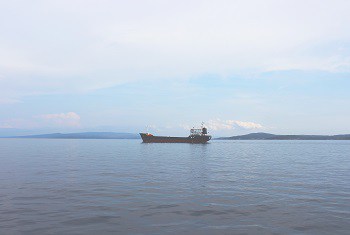
The government of British Columbia has proposed new regulations restricting the transportation of oil through the western Canadian province in what is expected to be a major setback for a planned pipeline expansion project.
Alberta’s minimum rate went up by $1.40 to $13.60 on Sunday, while Ontario’s level rose by 20 cents to $11.60.

Environment ministers representing Canada, China and the European Union will co-host a meeting in Montreal later this month to advance implementation of the Paris climate change agreement.

The initial draft of the new guide places an emphasis on plant-based foods while downplaying the previous stature given to meat and dairy products.
The regulator has now officially declared broadband access as necessary for the quality of life of all citizens, a claim backed by up to CAD$750 million (US$556 million) in new funding to bring every last Canadian online.
One in five children live in poverty in Canada, according to Unicef, and a recent poll found two-thirds of Canadians open to the idea of basic income
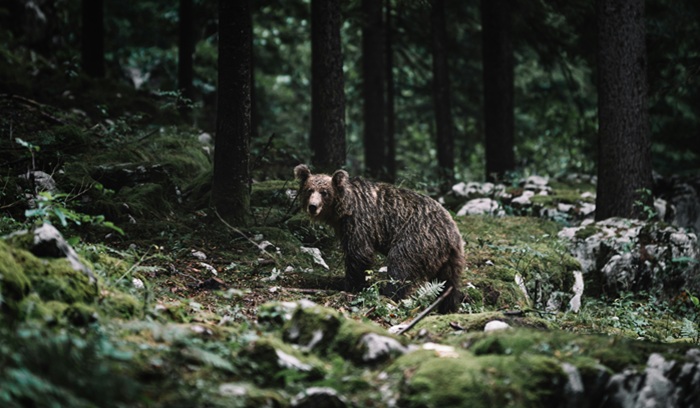
In 2016, Indigenous groups, government, and environmental organizations forged the Great Bear Rainforest Agreement, protecting nearly 6.4 million hectares of British Columbia’s rainforest. This landmark deal recognized Indigenous rights and leadership in land stewardship, balancing conservation with sustainable economic development. It became one of the world’s largest Indigenous-led conservation efforts, setting a precedent for collaborative, large-scale environmental protection.
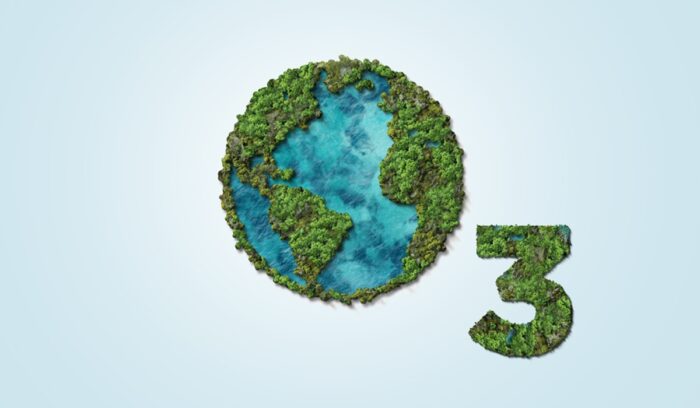
The Montreal Protocol on Substances That Deplete the Ozone Layer is an international treaty designed to protect the ozone layer by phasing out the production of numerous substances that are responsible for ozone depletion. It was agreed on 16 September 1987 and entered into force on 1 January 1989. The ozone treaty has since been ratified by 198 parties, making it the first universally ratified treaty in United Nations history.