Brazil

This archive collects solutions-journalism stories and milestones from Brazil — covering environmental progress, public health advances, community-led initiatives, and policy wins. Each entry highlights what’s working and why it matters.

Brazilian flag waving on a pole against a clear blue sky

Brazil’s New Republic begins as military hands power to civilians

Brazil’s return to civilian rule began on January 15, 1985, when an electoral college in Brasília chose Tancredo Neves as president, ending 21 years of military government. Neves fell ill before his inauguration and died that April, never taking office. Still, the opening he helped negotiate led to the 1988 “Citizen Constitution” — a framework that has now held for four decades.

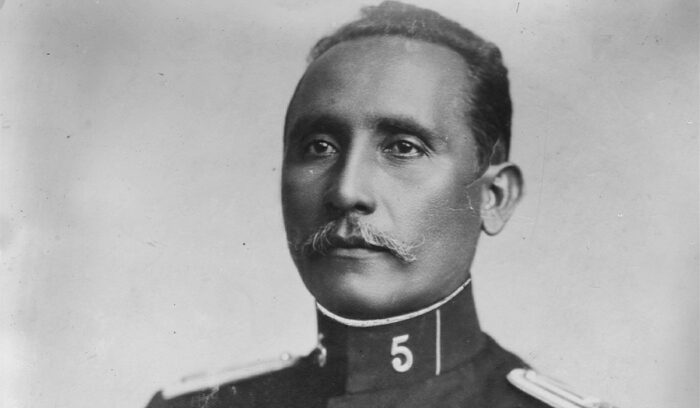
Cândido Rondon in military uniform, black-and-white portrait photo

Brazil’s Serviço de Proteção aos Índios gives Indigenous peoples legal protection

Indigenous protection in Brazil took its first formal shape on June 20, 1910, when the government created the Serviço de Proteção aos Índios, the Americas’ first federal agency tasked with shielding Indigenous peoples from settler violence. Its leader, Cândido Rondon, instructed agents entering uncontacted territory unarmed: “Die if you must, but never kill.”

Painting of Brazilian Independence, cavalry soldiers on horseback amid battle scene

Brazil declares independence from Portugal along the banks of the Ipiranga

Brazil’s independence began on 7 September 1822, when Prince Pedro stood beside the Ipiranga brook near São Paulo, tore the Portuguese insignia from his uniform, and cried “Independence or death.” Portugal formally recognized the new empire three years later. The moment set Brazil on a rare path — a single vast state, rather than a patchwork of republics, in South America.