Science & academia

Illustration of the concept of nuclear fusion

China achieves breakthrough in fusion reactor plasma density

China has achieved a major breakthrough in the quest for viable fusion power with its experimental EAST reactor in Hefei, Anhui Province. The device shattered a world record by sustaining plasma at 158 million degrees Fahrenheit for over 17 minutes. This engineering feat proves that the extreme conditions needed for fusion can be stabilized for long durations. The breakthrough is a critical step in the global effort to develop abundant, safe, carbon-free energy supplies and combat climate change.

China unveils world-first commercial supercritical carbon dioxide power generator

China has achieved a major engineering milestone with the operation of Chaoton One, a large-scale power generator located in Shandong Province. This technology moves beyond traditional steam, utilizing supercritical carbon dioxide to drive smaller, more powerful turbines. The unit is expected to deliver a 50% increase in net electricity generation compared to current steam technologies. Furthermore, it improves overall power generation efficiency by over 85%, reducing both fuel consumption and carbon emissions.

Illustration of blood cells

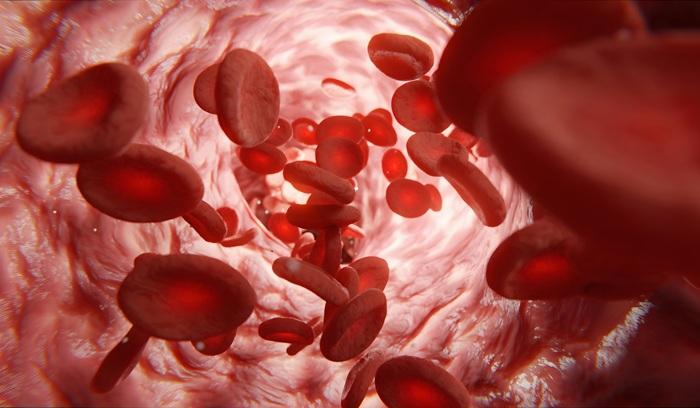
New treatment reverses incurable blood cancer in some patients

A revolutionary gene-editing therapy has successfully cleared “incurable” leukemia in children during a world-first clinical trial. Developed by scientists at Great Ormond Street Hospital and University College London, the treatment uses base-edited T-cells from healthy donors to hunt down and destroy cancer cells. This “off-the-shelf” therapy has already achieved remission in patients who had exhausted all other options.

Pancreatic cancer breath test

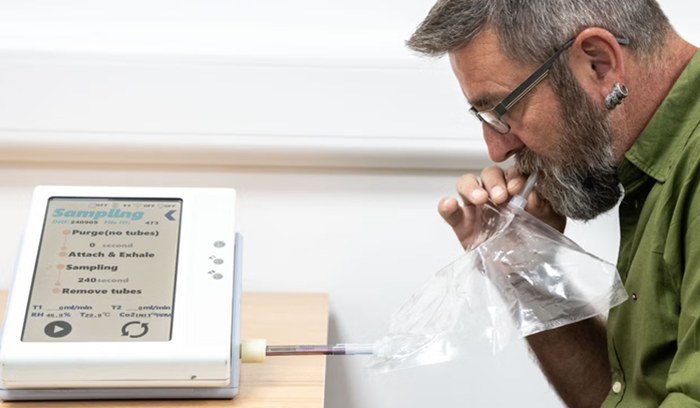
New pancreatic cancer breath test hailed as major breakthrough

A breakthrough in early cancer detection is offering crucial hope against pancreatic cancer. The NHS has launched a national validation trial involving over 6,000 patients to test a simple breathalyzer device. Developed by researchers at Imperial College London, this non-invasive test identifies unique chemical signatures of the disease. This pioneering diagnostic tool promises to increase the percentage of patients eligible for potentially life-saving surgery.

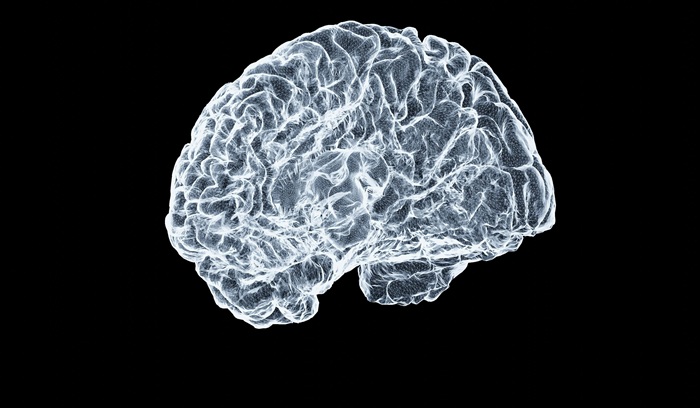
Brain x-rays

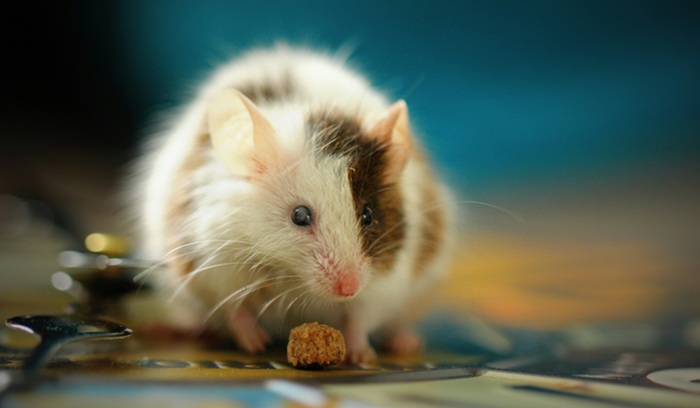
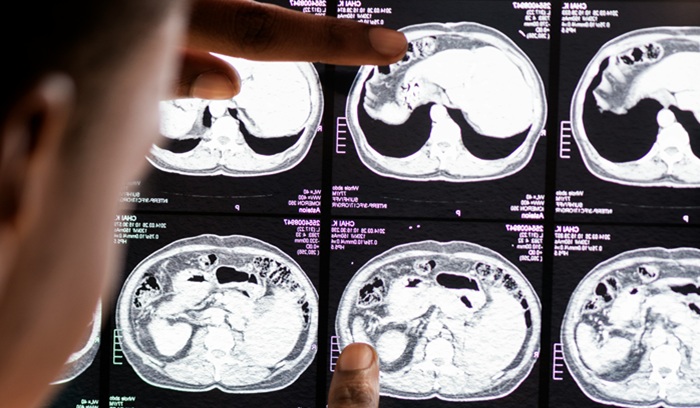
Scientists reverse Alzheimer’s in mice under breakthrough treatment

A breakthrough in neurological science is offering major hope against Alzheimer’s disease. An international research team successfully used a single-injection nanotherapy to reverse symptoms in mice. This treatment rapidly clears up to 50% of toxic amyloid proteins by rebooting the brain’s own natural clearance systems. This innovation, developed by the Institute for Bioengineering of Catalonia and West China Hospital of Sichuan University, shifts the focus from managing decline to restoring function, accelerating research toward a cure for this devastating disease.

Black and white illustration of human brain

U.K. scientists successfully treat Huntington’s disease for first time ever

A breakthrough gene therapy is offering unprecedented hope for families battling Huntington’s disease (HD), a fatal neurodegenerative disorder. Trial results show the one-time therapy successfully slowed disease progression by 75% in patients. This major victory, developed by scientists at University College London, is the first treatment to truly modify the disease’s course. It transforms a devastating, inherited diagnosis into a manageable condition, accelerating research for other neurological disorders like Alzheimer’s.

Illustration of two halves of the brain

Promising new epilepsy drug delivers 80% reduction in seizures

A new epilepsy drug candidate, RAP-219, is showing remarkable promise for people whose seizures have not responded to existing treatments. In a Phase 2a trial led by Rapport Therapeutics with support from NYU Langone Health, nearly one-quarter of participants became seizure-free, while most saw their seizures cut by more than half. Using advanced neurostimulation devices to track brain activity, researchers confirmed the drug’s targeted effects and manageable side-effect profile. If larger studies confirm these results, RAP-219 could offer new hope for patients living with drug-resistant epilepsy.

Good news for public health

U.S. Food & Drug Administration approves world’s first 100% effective HIV prevention drug

The U.S. FDA has approved lenacapavir (Yeztugo), the first HIV prevention shot that’s given just twice a year. In large studies, it was virtually 100% effective—no HIV cases were seen in one trial, and only two cases occurred in another with more than 2,000 people. This long-lasting protection could make it much easier for people to stay protected, especially for those who find taking a daily pill difficult. By reducing the need for frequent dosing, the new treatment has the potential to greatly expand access to HIV prevention and help move the world closer to ending the deadly epidemic that has killed more than 44 million people worldwide since 1981.

Holding hands

Pancreatic cancer vaccine eradicates deadly disease in more than half of targets in early trials

The pioneering work from Cleveland’s Case Western Reserve University researchers targets pancreatic ductal adenocarcinoma, the most common cancer that plagues the organ. While not the most common form of cancer, pancreatic cancer is particularly insidious, often remaining undetected until it metastasizes. The five-year survival rate is just 13.3%. In preclinical trials, the vaccine eliminated the cancer in more than half of the targets.

Depiction of viruses

Breakthrough in search for HIV cure leaves Australian researchers ‘overwhelmed’

The virus’s ability to conceal itself inside white blood cells is a core challenge for scientists looking for a cure. It means there is a reservoir of HIV in the body, capable of reactivation, that neither the immune system nor drugs can access. Now, researchers from the Peter Doherty Institute for Infection & Immunity in Melbourne have found a way to make the virus visible, paving the way to fully clear it from the body. UNAids estimates that one person died of HIV every minute in 2023.