Nations

Bird in Ghanaian forest

Ghana repeals legislation that opened forest reserves to mining

In a historic win for conservation, the Parliament of Ghana has repealed L.I. 2462, effectively banning mining activities in the country’s protected forest reserves. This decision follows months of intense advocacy from a coalition of labor unions, religious groups, and environmental organizations. The repeal safeguards critical watersheds that provide drinking water to millions and protects vital habitats for endangered species. This legislative reversal marks a decisive shift toward sustainable development and restores the legal sanctity of Ghana’s natural heritage.

Pills and syringe

Fentanyl overdose deaths in the U.S. are now falling sharply

The United States is seeing a dramatic decline in fentanyl overdose deaths, with new data showing a drop of approximately 33% in 2024 after the crisis peaked at 76,000 deaths in 2023. Preliminary findings suggest continued double-digit reductions in 2025. This positive trend is driven by successful diplomatic efforts to cut off precursor chemicals from China, disrupting the supply chain. Simultaneously, the widespread availability of naloxone and expanded access to addiction treatment are saving lives domestically.

Faroe Islands town

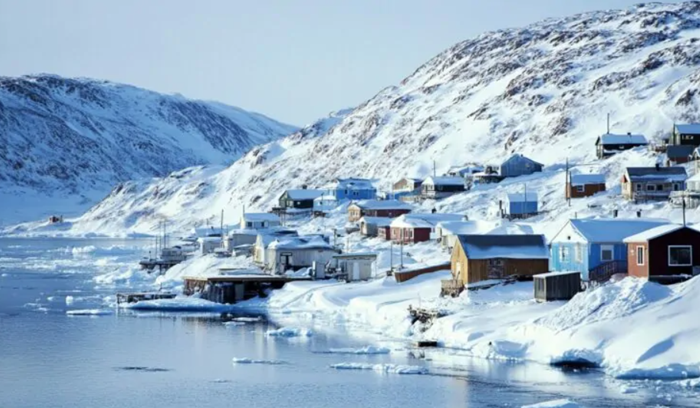
The Faroe Islands legalizes abortion

In a landmark victory for reproductive freedom, the Faroe Islands parliament has voted to legalize abortion, ending one of Europe’s most restrictive bans. The new law allows for abortion on demand up to the 12th week of pregnancy, aligning the archipelago with its Nordic neighbors. This historic change removes the need for women to travel to Denmark for care, ensuring access to essential medical services at home. The decision is a triumph for grassroots activists who campaigned for years to modernize the nation’s healthcare laws.

China unveils world-first commercial supercritical carbon dioxide power generator

China has achieved a major engineering milestone with the operation of Chaoton One, a large-scale power generator located in Shandong Province. This technology moves beyond traditional steam, utilizing supercritical carbon dioxide to drive smaller, more powerful turbines. The unit is expected to deliver a 50% increase in net electricity generation compared to current steam technologies. Furthermore, it improves overall power generation efficiency by over 85%, reducing both fuel consumption and carbon emissions.

Hens outside

England outlaws hen cages and pig crates in historic animal welfare reform

This landmark legislation will phase out restrictive confinement systems, ensuring millions of animals can express natural behaviors and live free from extreme restraint. The move, supported by a phased transition plan and funding for farmers, aligns English agriculture with strong public demand for ethical food. It cements England’s position as a global leader in high-welfare, sustainable farming standards.

Marshall Islands flag

Marshall Islands launches national universal basic income

The Republic of the Marshall Islands has pioneered a new economic model with the launch of the Sovereign (SOV). This national digital currency funds a Universal Basic Income, providing citizens with quarterly payments of roughly $200 USD. Operating a dual-currency system, the scheme allows residents to receive these automatic dividends in digital SOV or instantly convert them to US dollars for daily needs. This innovative approach provides a stable financial safety net while promoting long-term economic independence.

Oil refinery

Canada sets new rules to lower oil and gas methane emissions 

The Canadian government has finalized a landmark set of regulations designed to slash methane emissions from the oil and gas sector by at least 75% by 2035. This decisive policy bans routine venting and flaring while mandating advanced leak detection technologies across the industry. By targeting this potent greenhouse gas, Canada is taking one of the fastest, most cost-effective steps available to slow near-term global warming and improve air quality for local communities.

Mexican pesos

Mexico to boost minimum wage 13% in 2026

The Mexican government has announced a 13% increase in the daily minimum wage for 2026, raising it to 315.04 pesos. This marks the eighth consecutive year of substantial hikes, a policy that has successfully doubled the real value of the wage since 2018. This sustained commitment is lifting millions out of poverty and strengthening the domestic economy by boosting consumer purchasing power.

Foxes

Poland bans fur farming

In a monumental victory for animal welfare, Poland has officially banned fur farming. President Karol Nawrocki signed the legislation, which prohibits new farms immediately and mandates the closure of all existing operations by 2033. As the European Union’s largest fur producer, this decision will spare over 3.5 million animals annually from confinement and slaughter. The law includes compensation for farmers, reflecting a strong national consensus to transition toward a more ethical and sustainable economy.

Indian women

Indian states sending cash transfers to 118 million women for unpaid household work

Several Indian states have launched schemes to provide unconditional monthly financial compensation to homemakers. These programs are now delivering direct cash transfers to over 118 million women nationwide. This policy innovation recognizes the immense value of unpaid domestic labor, empowering women with financial independence to support their families’ health and education. It sets a powerful global precedent for validating care work as essential to the economy.