International organizations

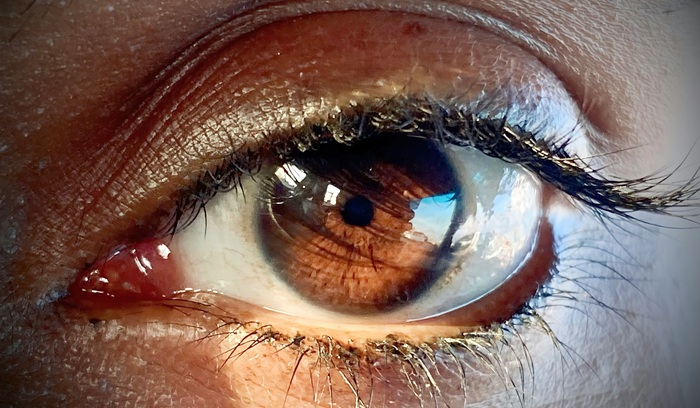
Close-up of someone's eye

Egypt becomes world’s 27th nation to eliminate trachoma

In a historic public health victory, the World Health Organization (WHO) has verified that Egypt has eliminated trachoma as a public health problem. This achievement ends the scourge of the world’s leading infectious cause of blindness, which had been documented in the region for over 3,000 years. The success was driven by the rigorous SAFE strategy—surgery, antibiotics, facial cleanliness, and environmental improvement—and protects millions from preventable vision loss.

Syringe extracting from a vaccine vial

Malaria vaccine price cut set to protect 7 million more children by 2030

A landmark agreement between Gavi and UNICEF has secured a major price reduction for the R21 malaria vaccine, lowering the cost from $3.90 to under $3 per dose. This 25% price cut is expected to save $90 million, allowing for the purchase of 30 million additional doses. This financial breakthrough accelerates the goal of vaccinating 50 million children across Africa by 2030, providing a critical new tool to save lives and reduce the burden of this deadly disease.

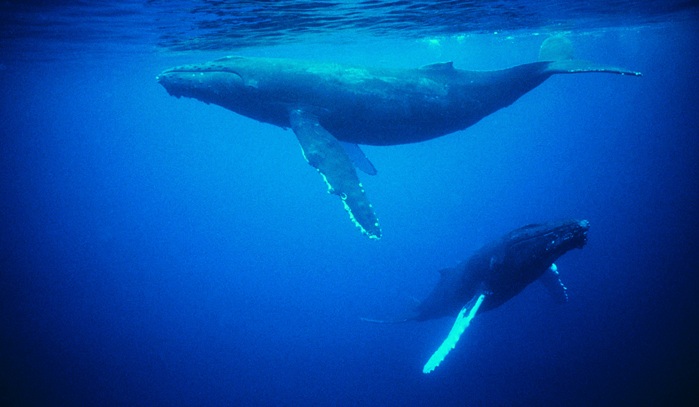
Sperm whales

IUCN approves major new North Atlantic marine sanctuary

The IUCN World Conservation Congress has voted to establish the Macaronesia Sanctuary. This massive transnational protected area spans the waters of Spain, Portugal, and Cape Verde, creating one of the world’s most ambitious marine sanctuaries. By safeguarding a vast migration corridor across four archipelagos, the initiative protects essential habitats from industrial fishing and maritime traffic. This historic agreement unites nations in a shared mission to secure the long-term resilience of this vital Atlantic ecosystem.

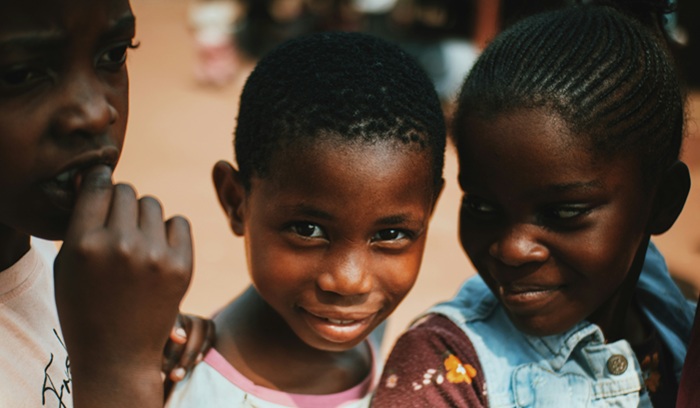
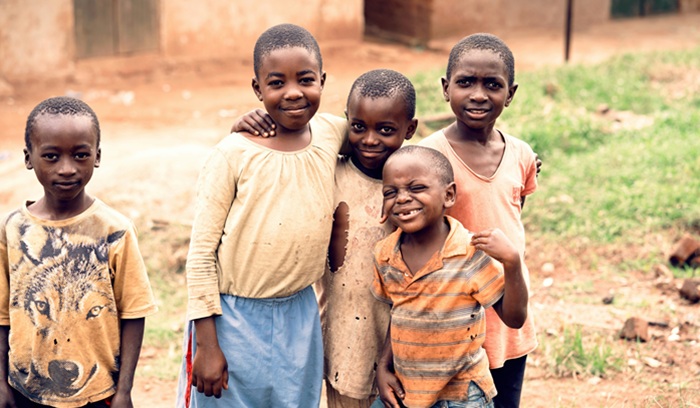
African children

Niger becomes first African nation declared free from river blindness

This major public health triumph has eradicated onchocerciasis, or river blindness, in Niger. The nation is the first in Africa to achieve this World Health Organization-verified status. This victory eliminates a debilitating parasitic disease that had historically pushed populations away from fertile river valleys. The successful, multi-decade effort restores human dignity, unlocks agricultural land for economic development, and provides a powerful blueprint for eliminating other neglected tropical diseases across the continent.

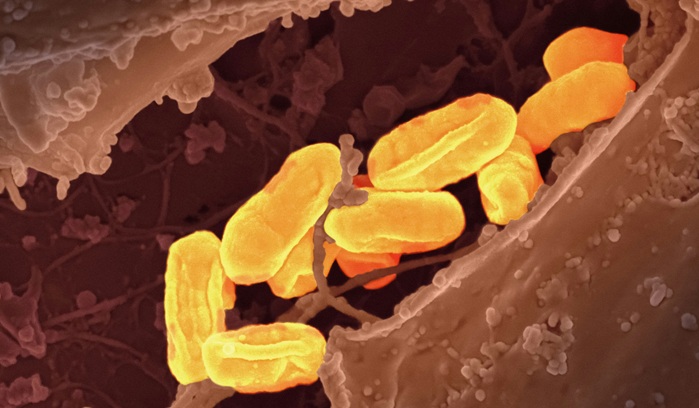
Bacteria under microscope

Cholera vaccination campaign launched in Darfur to protect over 1.8 million people

A vital cholera vaccination campaign has been launched in Darfur, Sudan, aiming to protect over 1.86 million people. This urgent intervention is a major victory for global health, achieved despite the ongoing conflict and insecurity in the region. Humanitarian teams, led by the WHO and UNICEF, overcame immense logistical challenges to deliver millions of vaccine doses. This proactive measure is crucial for halting the spread of the country’s longest-recorded cholera outbreak and safeguarding the lives of highly vulnerable populations, especially young children.

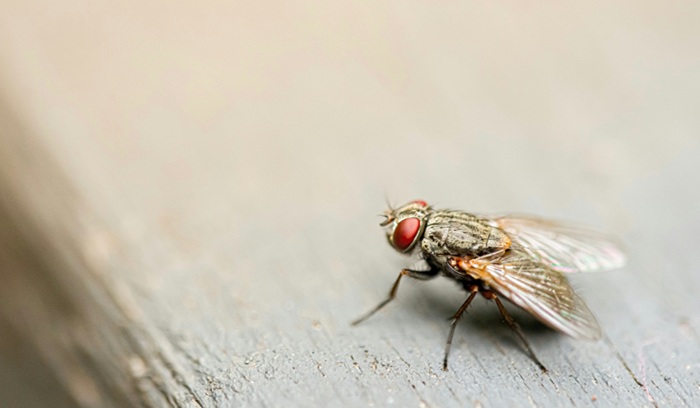
Fly

Kenya declared free of deadly sleeping sickness by WHO

Kenya has officially eliminated sleeping sickness as a public health problem—becoming the tenth country worldwide and the fifth in Africa to reach this milestone. The disease, spread by tsetse flies, causes fever, swollen lymph nodes and, if untreated, severe damage to the nervous system, disrupting sleep and leading to coma or death. Kenya recorded its last local case in 2009 and its last imported cases in 2012 after years of investment in surveillance, diagnostics and fly control. With WHO validation, Kenya’s success strengthens Africa’s collective drive to eliminate sleeping sickness across the continent by 2030.

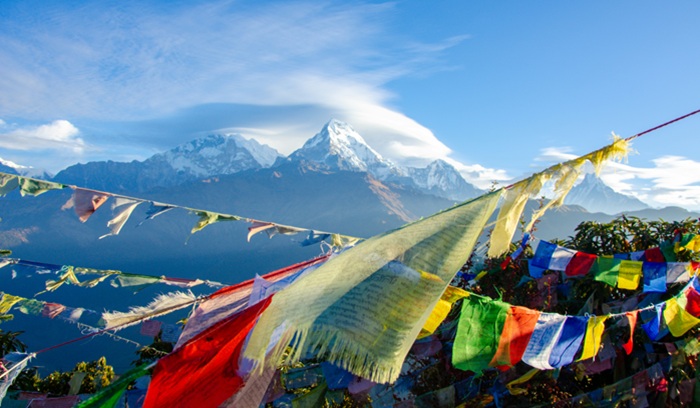
Poon Hill, Histan Mandali, Nepal

Nepal eliminates rubella as a public health problem

Nepal has officially eliminated rubella, a contagious virus that can cause serious complications for pregnant women and lifelong disabilities for newborns. Once a major public health concern, rubella often led to miscarriage, stillbirth, or congenital rubella syndrome, which can result in heart defects, deafness, and developmental challenges. Thanks to sustained vaccination campaigns and resilient health systems, Nepal has now achieved over 95% coverage since 2012. Verified by the World Health Organization, this milestone means safer pregnancies, healthier children, and greater hope for future generations.

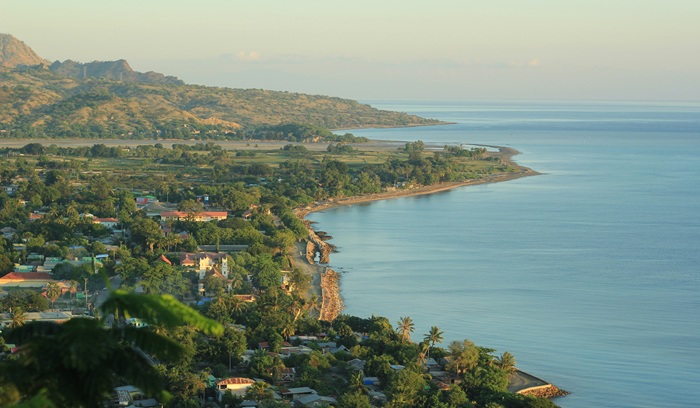
Timor-Leste coastline

World Health Organization certifies Timor-Leste as malaria-free

The World Health Organization certifies malaria elimination when a country has zero indigenous cases for three consecutive years. So far, 47 countries and one territory have earned this status. A Southeast Asian nation, committed to fighting malaria since gaining independence in 2002, has now joined them—demonstrating the impact of sustained, focused efforts to defeat this devastating disease.

Air pollution from a coal plant

Global mercury emissions have fallen 70% over last four decades

Gold mining, coal burning, and cement and nonferrous metals production all release several thousand tons of mercury into the atmosphere every year, leading to tens of thousands of deaths worldwide. However, a team of Chinese scientists from schools in Tianjin, Beijing, Tibet, and Nanjing has found that mercury concentrations in the atmosphere have reduced by a staggering 70% since a peak in the year 2000.

Smiling African children

Over 12 million malaria deaths averted globally since 2000

Global malaria prevention efforts have paid off in a big way, preventing an estimated 2.2 billion cases and 12.7 million deaths in the last 25 years. In 2023 alone, more than 177 million cases and 1 million deaths were averted, the vast majority of them – 80% of cases and 94% of deaths – in Africa. However, malaria remains a significant public health challenge globally. In 2023, there were an estimated 263 million new malaria cases in 83 countries, up from 252 million in 2022 and 226 million in 2015.