International community

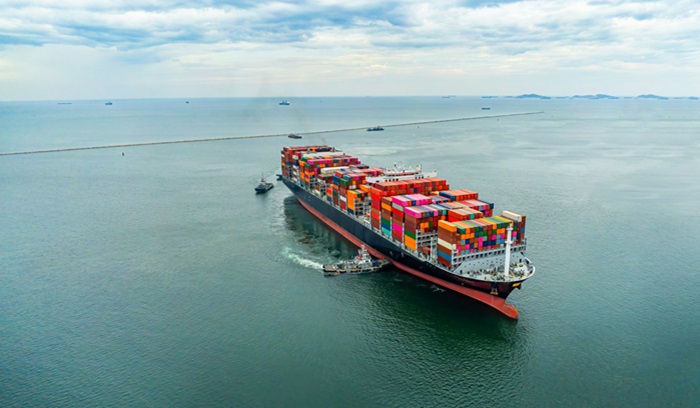
Cargo ship

Countries reach historic deal to cut shipping emissions

After years of negotiations, the international community has reached a landmark deal to cut greenhouse gas emissions from global shipping, setting mandatory fuel standards and introducing a carbon pricing mechanism. The framework – agreed during a meeting of the U.N. International Maritime Organization – aims for net-zero emissions from the sector by 2050 and will come into force in 2027. It will apply to large ocean-going vessels over 5,000 gross tonnage, which account for 85% of carbon emissions from the marine shipping fleet.
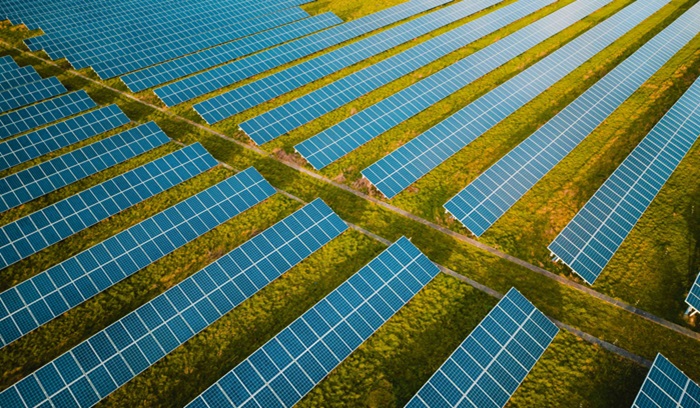
Solar farm

Renewable energy now handles 40% of global electricity needs

According to a new report from U.K. think tank Ember, clean energy accounted for 40.9% of electricity produced worldwide in 2024. The push past the 40% mark was fueled by an unprecedented growth in solar, significant contributions from wind, a recovery in hydropower, and a small rise in nuclear power. China and the E.U. demonstrated the most remarkable increases in clean electricity generation, meeting 81% and 71% of their new electricity demand from renewables in 2024, respectively.

Pangolin

Nigerian officials arrest Chinese pangolin trafficking ‘kingpin’

Nigerian officials have arrested a Chinese national suspected of masterminding a transnational smuggling operation of pangolin scales, according to Dutch nonprofit Wildlife Justice Commission (WJC). The arrest is linked to the seizure of more than 7 tons of pangolin scales in August 2024. The investigation is part of wider efforts to disrupt wildlife trafficking networks in Nigeria, the main illegal wildlife trade hub in West Africa. WJC says the collaboration has enabled 37 arrests, seizures of more than 21.5 metric tons of pangolin scales, and 12 convictions since July 2021.

World’s nations back $200 billion a year plan to protect nature

Global negotiators concluded an extended session of the United Nations biodiversity conference, COP16, by agreeing on how they would contribute a massive $200 billion a year by 2030 to protect the world’s ecosystems. The money includes a plan to raise $20 billion in annual conservation financing for developing nations by 2025, with that number rising to $30 billion annually by 2030, and on details of the Global Biodiversity Framework, which aims at placing 30% of the planet and 30% of degraded ecosystems under protection by 2030.

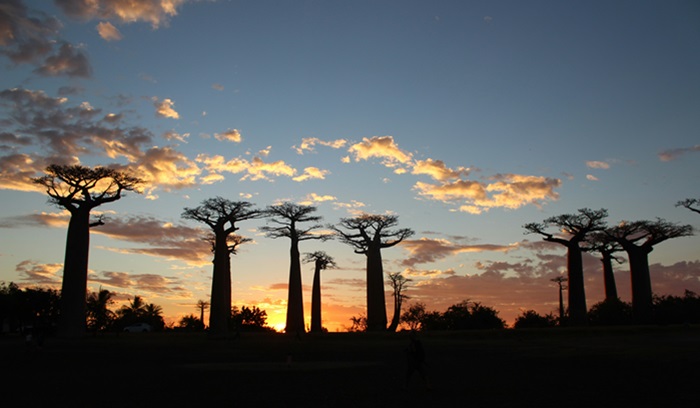
Silhouette of baobob trees

Seeds of 19 African tree species added to Svalbard Global Seed Vault

Norway is home to the Svalbard Global Seed Vault, a vast collection intended to secure the world’s vital genetic heritage against any eventuality. The vault currently holds duplicates of 1.3 million seed samples from nearly every corner of the world. Recently, the World Agroforestry Center deposited new seeds to the vault representing tree species of special value to communities across Africa. The 19 species represented included 13 native to Africa and six others that have found a place in the economies and ecologies of the continent.

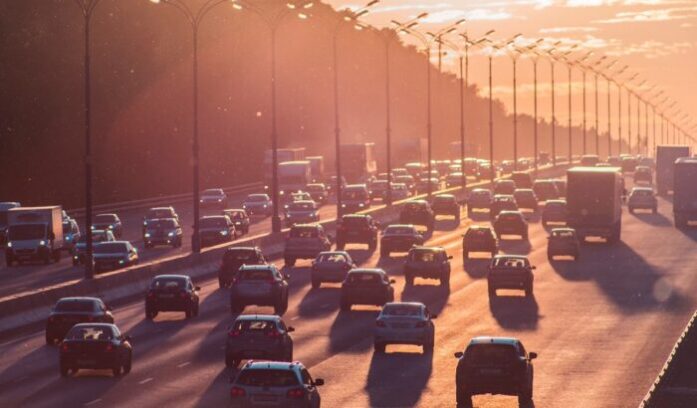
Traffic on freeway

Global sales of combustion engine cars have peaked

To decarbonize road transport and achieve global climate goals, the world must move away from petrol and diesel cars and toward electric vehicles and other forms of low-carbon transport. Fortunately, this transition is already well underway, with global sales of combustion engine cars peaking in 2017 or 2018 and now falling. In 2018, global combustion engine cars peaked at more than 80 million. By 2023, sales had fallen below 65 million units as EV sales rose dramatically.

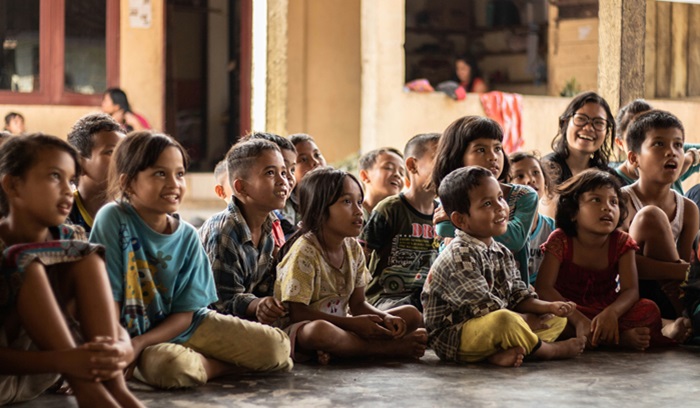
Indonesian children smiling

Nine Asian nations have cut child mortality by more than half since 2000

Child mortality in Asia has fallen sharply, especially in Afghanistan, Bangladesh, Cambodia, China, India, Indonesia, Laos, Myanmar, and Nepal, which have all seen a decline of at least 50% since 2000. This progress amounts to millions more children surviving through the crucial early years of life. Particularly noteworthy, India’s child mortality fell from 9% to 3% and China’s from 4% to just 1%. These huge strides have been made possible by improved nutrition, clean water, sanitation, vaccinations, and poverty reduction.

Peace sign lit in the sky at night

Israel and Hamas agree to cease-fire after 15 months of war and terror

The guns have gone silent in Gaza after over a year of brutal war, destruction, and terror. The initial stage of a truce between Israel and Hamas prompted celebrations in Gaza and hope for an end to the 15-month war. Three women were the first Israeli hostages to be released. In exchange, Israel has agreed to release dozens of Palestinian prisoners. Since October 2023, over 45,900 Palestinians and 1,700 Israelis have been killed, including many civilians, children, journalists, and humanitarians.

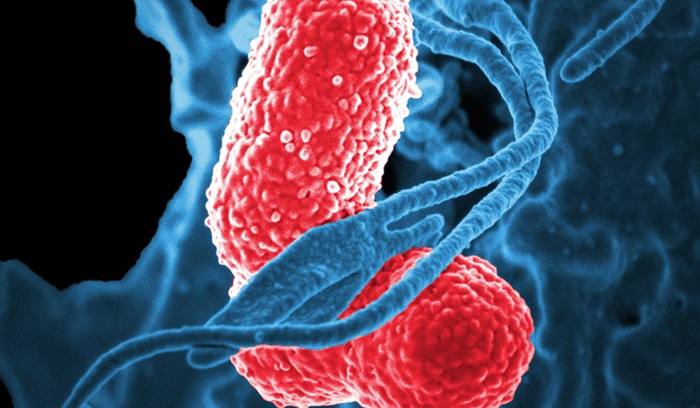
digitally colorized scanning electron microscopic (SEM) image, depicts a blue-colored, human white blood cell, (WBC) known specifically as a neutrophil, interacting with two pink-colored, rod shaped, multidrug-resistant (MDR), Klebsiella pneumoniae bacteria

Global child deaths from pneumonia have been cut in half since 2009

Pneumonia kills 2,000 children under five worldwide every day, making it the world’s biggest infectious cause of death in children. The introduction of pneumococcal conjugate vaccines (PCVs) has significantly lowered the burden of death and disease from pneumonia, but millions of children remain unvaccinated. Since the public-private global health partnership Gavi supported the first roll-out of the PCV vaccine in 2009, 438 million children of all ages have been vaccinated in 64 countries, averting an estimated total of 1.2 million deaths by the end of 2023.