
Dozens of countries poised to drive out malaria by 2020
Success in Sri Lanka raises hopes that at least 30 other nations could follow suit, marking beginning of the end for disease that kills 400,000 every year

Success in Sri Lanka raises hopes that at least 30 other nations could follow suit, marking beginning of the end for disease that kills 400,000 every year
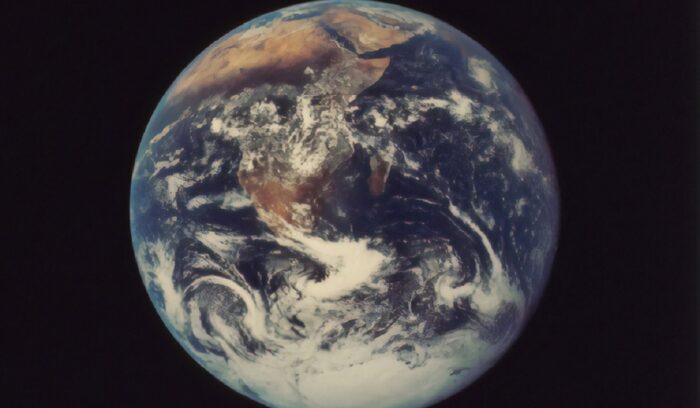
World leaders from 175 countries signed the historic Paris climate accord Friday, using Earth Day as a backdrop for the ceremonial inking of a long-fought deal that aims to slow the rise of harmful greenhouse gases.
“We are in a race against time.” U.N. secretary-General Ban Ki-moon told the gathering at the United Nations headquarters in New York. “The era of consumption without consequences is over.”

At the United Nations Sustainable Development Summit on 25 September 2015, more than 150 world leaders adopted the new 2030 Agenda for Sustainable Development, including the Sustainable Development Goals (SDGs).
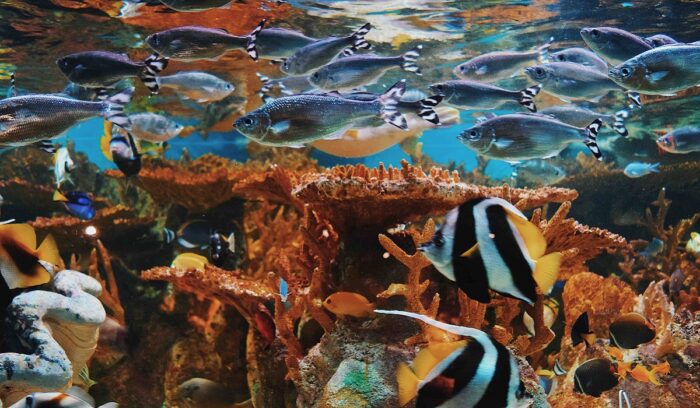
A landmark resolution was adopted earlier today by a consensus of UN member states, to develop a legally-binding treaty for the conservation of marine life beyond national territorial waters — that area of the ocean shared by all.

It was built by the European Organization for Nuclear Research between 1998 and 2008 in collaboration with over 10,000 scientists and hundreds of universities and laboratories, as well as more than 100 countries.

The Treaty on the Non-Proliferation of Nuclear Weapons is an international treaty to prevent the spread of nuclear weapons and weapons technology, to promote cooperation in the peaceful uses of nuclear energy, and to further the goal of achieving nuclear disarmament.

The Convention on Biological Diversity is a historic multilateral treaty now signed by all U.N. member states other than the United States. The Convention has three main goals: biodiversity, the sustainable use of its components, and the fair and equitable sharing of benefits arising from genetic resources. The Convention recognized for the first time in international law that the conservation of biodiversity is “a common concern of humankind” and is an integral part of the development process.
The multilateral treaty recognized for the first time in international law that the conservation of biodiversity is “a common concern of humankind” and is an integral part of the development process.

The UNCRC is a groundbreaking international human rights treaty ratified by 196 countries (as of 2023) which sets out the civil, political, economic, social, health, and cultural rights of children.

The Montreal Protocol on Substances That Deplete the Ozone Layer is an international treaty designed to protect the ozone layer by phasing out the production of numerous substances that are responsible for ozone depletion. It was agreed on 16 September 1987 and entered into force on 1 January 1989. The ozone treaty has since been ratified by 198 parties, making it the first universally ratified treaty in United Nations history.

In 1968, the United Nations adopted the Vienna Convention on Road Signs and Signals, marking a historic moment in international road safety. The treaty was designed to harmonize traffic signs,