International community

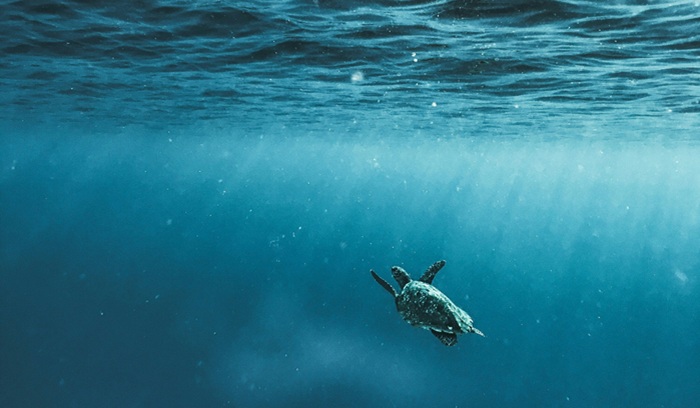
Sea turtle underwater

Historic U.N. High Seas Treaty enters into force, launching a new era of global ocean governance

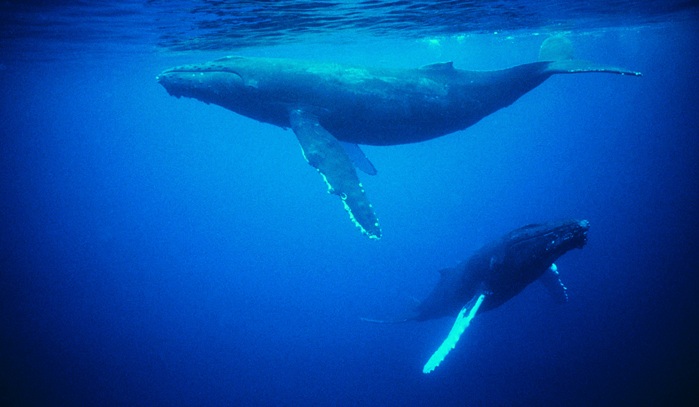
A new era for marine conservation has begun as the UN-brokered High Seas Treaty officially enters into force. Following ratification by 60 nations, this landmark agreement creates the first legal framework to protect biodiversity in the two-thirds of the ocean that lies beyond national jurisdiction. By empowering the creation of large-scale Marine Protected Areas, the treaty provides a crucial mechanism to safeguard vulnerable species like whales, sharks, and deep-sea corals from unregulated exploitation, ensuring the long-term resilience of the global ocean ecosystem.

African children

Guinea worm disease on the brink of being eradicated worldwide

The global campaign to eradicate Guinea worm disease has achieved a record low, with only 10 human cases reported worldwide in 2025. This historic milestone brings humanity to the brink of wiping out its second-ever human disease. The success is driven by the Carter Center’s grassroots strategy, which relies on water filtration and community education rather than vaccines. Despite challenges with animal infections, key endemic regions like Chad have seen significant reductions, proving that persistent, low-tech interventions can defeat even the most debilitating ancient parasites.

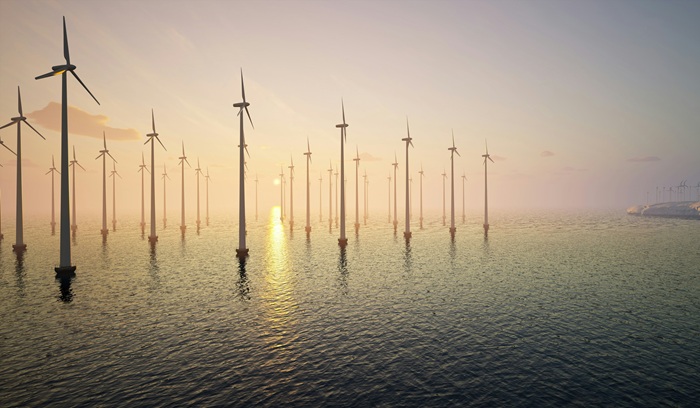
Offshore wind turbines

Ten nations commit €11 billion to massive 100GW North Sea wind power hub

In a historic display of unity, the U.K., Belgium, Denmark, France, Germany, Ireland, Luxembourg, the Netherlands, Norway, and Iceland have signed an agreement to transform the North Sea into a 100-gigawatt renewable energy powerhouse by 2030. The coalition pledged a joint investment of €11 billion to build offshore wind farms and interconnected energy islands. This massive infrastructure project is designed to power 100 million homes, securing Europe’s energy independence and accelerating the transition away from imported fossil fuels.

Sperm whales

IUCN approves major new North Atlantic marine sanctuary

The IUCN World Conservation Congress has voted to establish the Macaronesia Sanctuary. This massive transnational protected area spans the waters of Spain, Portugal, and Cape Verde, creating one of the world’s most ambitious marine sanctuaries. By safeguarding a vast migration corridor across four archipelagos, the initiative protects essential habitats from industrial fishing and maritime traffic. This historic agreement unites nations in a shared mission to secure the long-term resilience of this vital Atlantic ecosystem.

Wind turbine

Humanity on track to triple renewable capacity by 2030 since 2023 pledge

The Global Renewables and Energy Efficiency Pledge, formalized at COP28 in 2023, committed nearly 200 countries to ambitious renewable energy goals.
Since that pledge, the pace of new installations has surged, with an average of over 550 gigawatts (GW) of new renewables capacity added annually, according to data from energy think tank Ember. To meet the tripling target, analysts say, renewable additions need to grow by just 12% each year from 2026 to 2030.
This massive, coordinated push is critical for keeping the crucial 1.5°C warming limit within reach.

Sea turtle

Green sea turtle saved from extinction in major conservation victory

The green sea turtle population has rebounded so successfully that several populations have been removed from the Endangered Species List maintained by the International Union for Conservation of Nature ($\text{IUCN}$). This success specifically applies to populations in places like Florida and the Pacific coast of Mexico. Nesting numbers have surged by several hundred percent in key areas. By securing Marine Protected Areas and guarding vulnerable beaches, conservationists have proven that dedicated human action can reverse the decline of threatened species.

Solar panels reflect sparkling light from the Sun

Solar imports in Africa up 60% since 2024

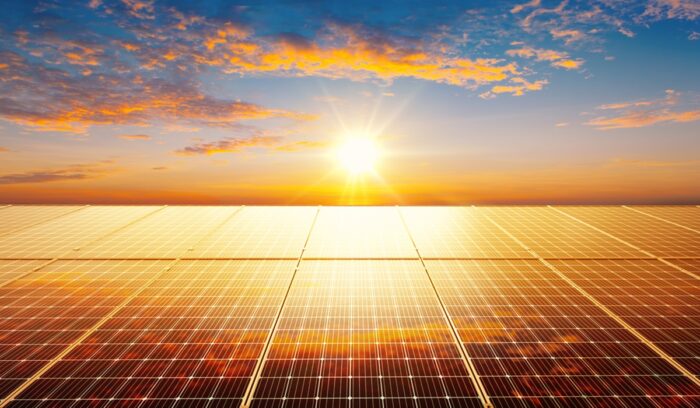
A powerful solar energy revolution is now confirmed across Africa, driven by a surge of over 60% in panel imports from China. This “solar take-off” provides a crucial pathway to achieving universal energy access by bypassing outdated infrastructure. The decentralized growth is fueling economic development and local entrepreneurship. By expanding its clean energy supply, the continent is ensuring its future growth is sustainable and resilient against global fossil fuel volatility.

Wind turbines with rising sun in background

Renewables overtake coal as world’s largest source of electricity

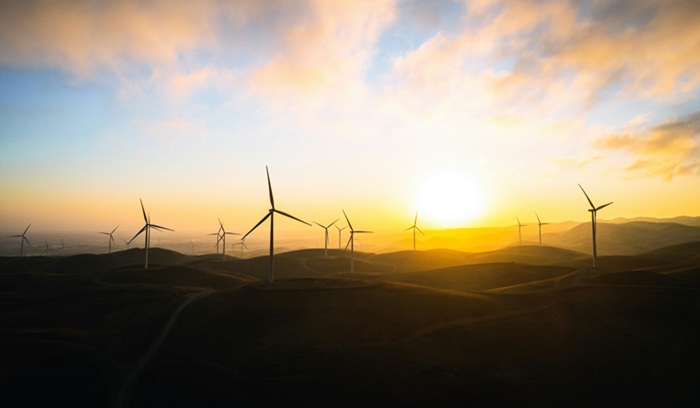
Global renewable energy generation is set to surpass coal power for the first time in history, according to the International Energy Agency (IEA). New global capacity additions are expected to exceed 750 gigawatts (GW) in 2025, driven overwhelmingly by solar and wind power. This record-breaking growth confirms that clean energy is now the most affordable and dominant source of new power worldwide, establishing a firm trajectory for global decarbonization.

Hong Kong traffic

Global EV sales up 27% in 2025 despite political headwinds

Global EV sales have soared by 27% in 2025, demonstrating that the move to climate-friendly electric vehicles is an unstoppable market-driven transition.
This phenomenal growth continued despite significant anti-electrification policies and political headwinds coming from the U.S. market.
The surge is delivering significant benefits, eliminating harmful tailpipe emissions to improve public health and protect planetary systems, fueled by rapidly falling battery costs and strong global demand.

Underwater life

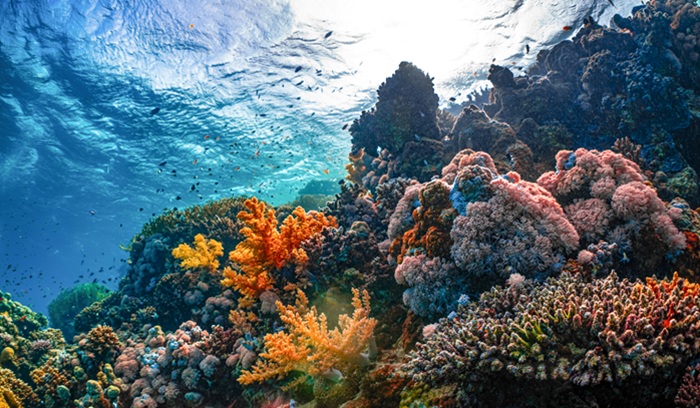
Landmark high seas treaty protecting marine biodiversity becomes international law

A monumental achievement in conservation has been finalized: the High Seas Treaty has reached the 60 ratifications needed to become international law. This agreement, which covers two-thirds of the world’s ocean, creates a legally binding framework to establish marine protected areas and regulate human activities. This major victory for multilateralism ensures that discoveries from the deep sea benefit all nations. The treaty will officially enter into force in January 2026.