First human settlement built in Australia
They used carbon dating on nuggets of hearth charcoal and eggshells to discover that the shelter was first occupied about 50,000 years ago.
The profound cognitive shift known as behavioral modernity—the emergence of abstract thinking, deep planning, and symbolic— catalyzed the development of complex language development, artistic expression, and the establishment of long-distance trade networks and initiated an era of unprecedented ingenuity.

The emergence of ceremonial burial required profound human ingenuity: abstract thought, planning depth, and symbolic communication. This cognitive leap, evidenced by organized graves (like the 50,000-year-old Neanderthal burial at La Chapelle-aux-Saints) and symbolic grave goods, reinforced community bonds, empathy, and cultural memory.
Crafted by our long-extinct Denisovan ancestors—a recently discovered hominin species—this 2 3/4 inch bone needle reveals profound ancient ingenuity. This 50,000-year-old tool enabled tailored clothing for surviving freezing climates, challenging historical timelines and proving that complex technical planning long predates modern humans.
The development of herbalism stands as one of humanity’s most crucial and enduring achievements. This practice, dating back tens of thousands of years, represented our first systematic medical tradition. By meticulously identifying which plants could heal, soothe pain, or treat infection, early humans secured their survival across diverse environments. Herbalism established the foundation for modern empirical science and continues to inspire pharmaceutical breakthroughs today, proving the timeless value of botanical knowledge.
The invention of the bow and arrow, likely in South Africa over 60,000 years ago, marked a pivotal leap in human ingenuity. By mastering the physics of stored energy, early humans transformed hunting into a safer, more efficient practice, fueling population growth and laying the foundation for future cultural complexity.
Researchers have found evidence that suggests the ancestors of Aboriginal Australians landed in the northern part of Australia at least 65,000 years ago.
The first intentional creation of jewelry in ancient human history was a profound moment. This was not about utility, but about symbolic communication and identity. The production of standardized shell beads, such as those possibly originating in Morocco, required advanced motor skills and intentional manufacture. This innovation created durable social markers, which strengthened communal identity and facilitated early, long-distance trade networks.
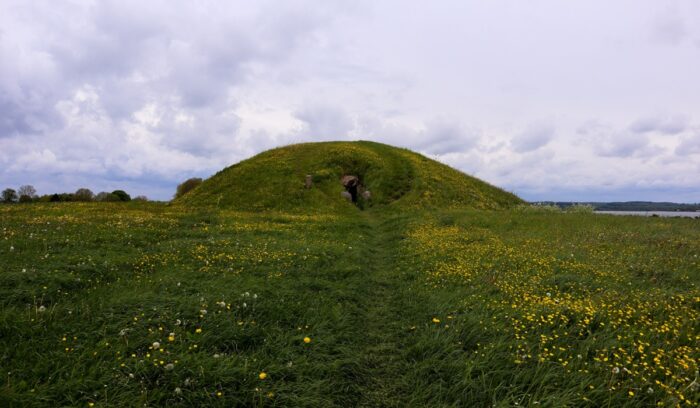
The earliest practice of human burial, dating back to sites like Qafzeh Cave in modern-day Israel, marked a monumental achievement in human history. This deliberate act of interment created cohesive social communities and provided a shared ritual for processing grief. More profoundly, it required advanced abstract thought and planning, affirming the inherent value of the individual beyond survival. This invention of ritual laid the essential foundation for all subsequent human culture and civilization.
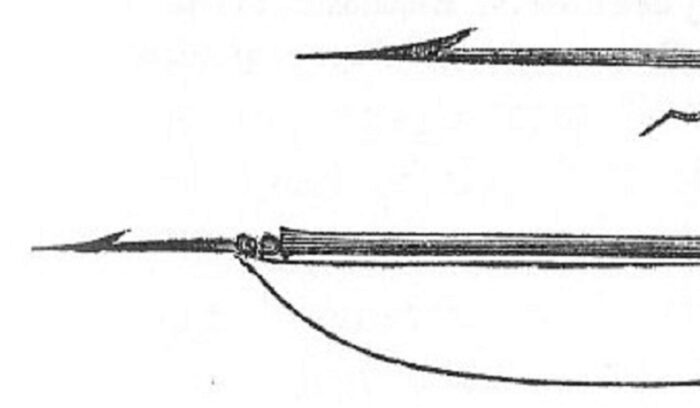
This simple, yet revolutionary, tool required a unique combination of ingenuity: the abstract understanding of biomechanics, the planning depth to anticipate seasonal resources, and the skilled craftsmanship of complex composite tools. The earliest examples of this innovation, the Semliki harpoons, were unearthed at an archaeological site near the Semliki River in the Democratic Republic of the Congo.