
The Yajurveda, one of the four Vedas of the Hindu tradition, is completed
The Yajurveda is the Veda primarily of prose mantras for worship rituals. An ancient Vedic Sanskrit text, it is a compilation of ritual offering formulas.
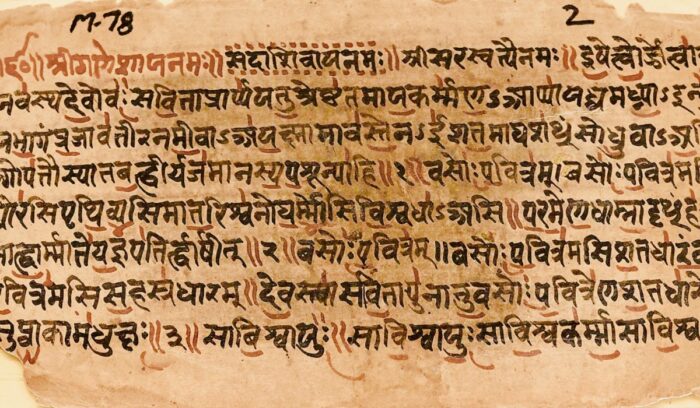
The Yajurveda is the Veda primarily of prose mantras for worship rituals. An ancient Vedic Sanskrit text, it is a compilation of ritual offering formulas.
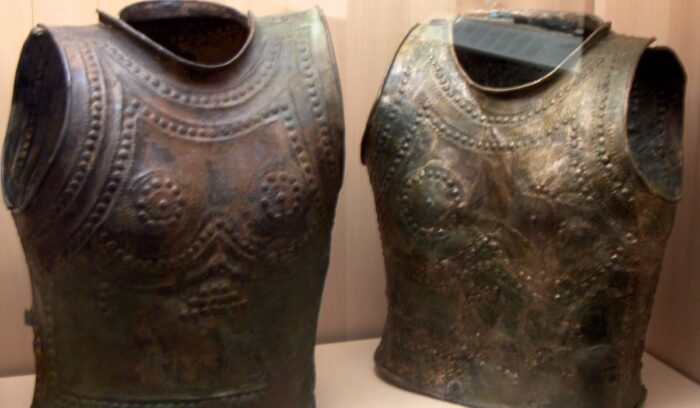
The Urnfield culture (c. 1300 B.C.E. – 750 B.C.E.) was a late Bronze Age culture of central Europe. The name comes from the custom of cremating the dead and placing their ashes in urns which were then buried in fields.

It became one of the most widely used writing systems, spread by Phoenician merchants across the Mediterranean world, where it evolved and was assimilated by many other cultures.

The Lusatian culture developed as the preceding Trzciniec culture experienced influences from the Tumulus culture of the Middle Bronze Age, essentially incorporating the local communities into the socio-political network of Iron Age Europe.
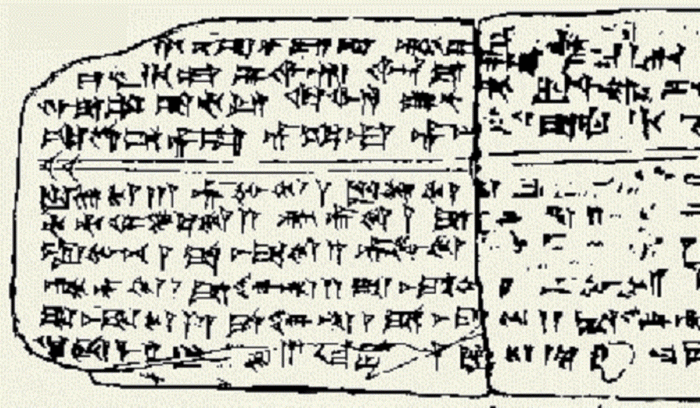
For the title of oldest extant song, most historians point to Hurrian Hymn No. 6, an ode to the goddess Nikkal that was composed in cuneiform by the ancient Hurrians sometime around the 14th century B.C.
The earliest form of musical notation can be found in a cuneiform tablet that was created at Nippur, in Sumer (today’s Iraq), in about 1400 B.C.E.

A flat wooden dish which stood on wooden legs and features many characteristics of lathes was found in a pit grave at Mycenae dated at 1100 to 1400 B.C.E.

The finding of bronze axes at Nyaunggan located in Shwebo township suggests that Bronze Age of Burma began around 1500 B.C.E. in parallel with the earlier stages of Southeast Asian bronze production.

Samoa was discovered and settled by their Lapita ancestors (Austronesian people speaking Oceanic languages), with New Zealand scientists dating remains in Samoa to about 2900–3500 years ago.

The Iron Age began when iron replaced bronze as the most popular metal used for weapons.